
Now that your dream bridal veil has finally arrived, you may be wondering how best to care for it before and after the big day.
Because of its delicate nature, a wedding veil requires special care to preserve its beauty. When steaming, storing, transporting, and cleaning them, extra care is needed.
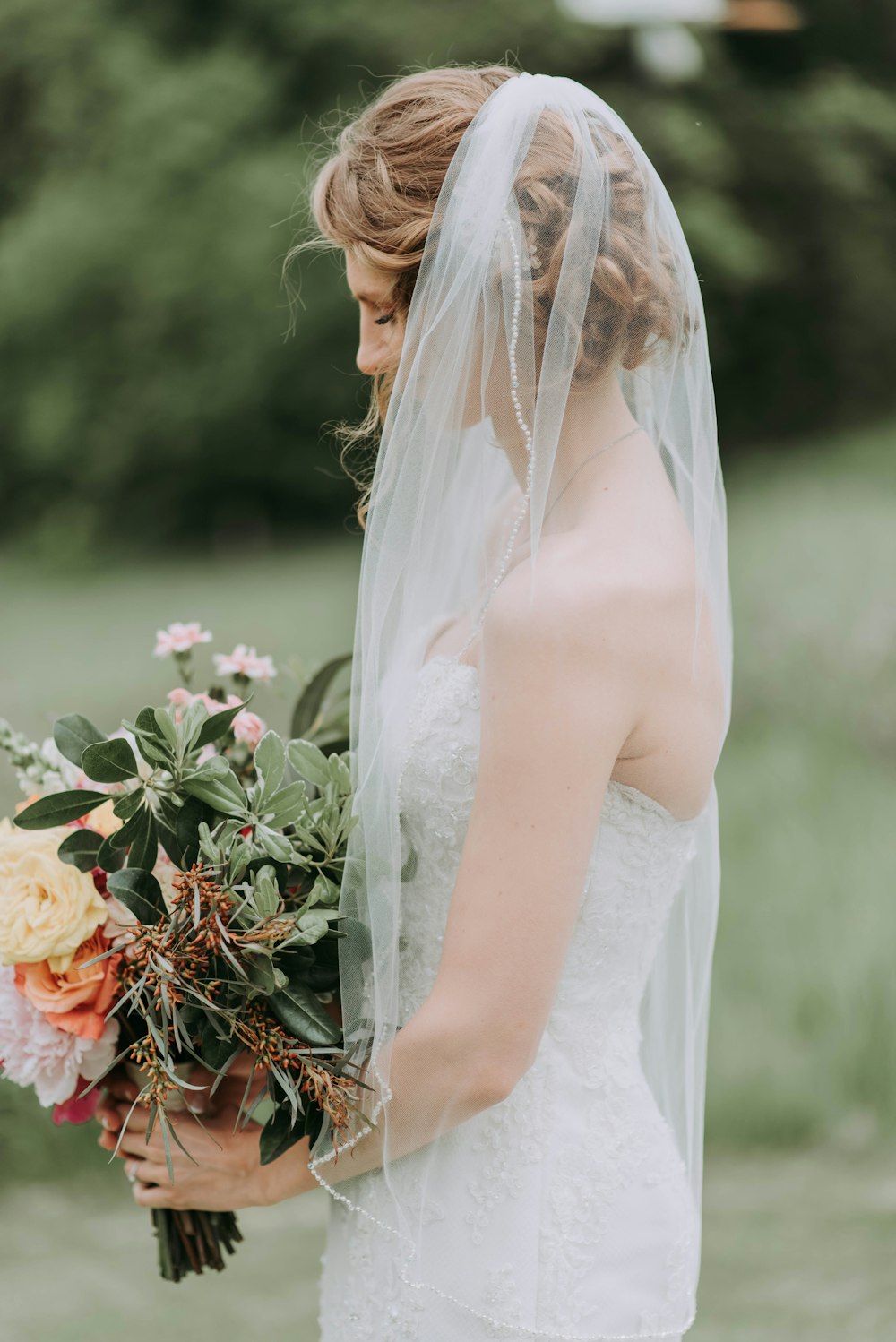
Whether your veil is made of metres of floaty tulle, intricate hand-beaded lace, or simple tulle, we hope this guide will help you preserve your veil so that it can be worn on your wedding day and passed down through the generations.
How To Clean A Wedding Veil
Cleaning a wedding veil can depend on the type of fabric and embellishments used. Here are some general tips for cleaning a wedding veil:
1. Spot Cleaning
Spot cleaning is a good option for removing minor stains on a wedding veil. To spot-clean a veil, you can follow these steps:
- Identify the stained area on the veil.
- Mix a solution of equal parts water and gentle detergent suitable for delicate fabrics.
- Dip a clean, white cloth into the solution and gently dab the stained area, working from the outside of the stain towards the centre.
- Avoid rubbing or scrubbing the stain, as this can damage delicate fabrics and cause the stain to spread.
- Rinse the veil gently with cool water to remove any soap residue.
- Squeeze out any excess water gently.
- Lay the veil flat on a clean towel to air dry.
It’s important to test the solution on a small, inconspicuous area of the veil first to make sure it doesn’t cause any damage. If the stain is particularly stubborn, you may need to consider professional cleaning services to avoid damaging the veil.
2. Handwashing
Hand washing is a gentle method for cleaning delicate wedding veils. Here are the steps for hand-washing a wedding veil:
- Fill a clean basin or sink with lukewarm water and add a mild detergent suitable for delicate fabrics.
- Place the wedding veil gently into the water, making sure it is completely submerged.
- Let the veil soak for a few minutes to allow the detergent to penetrate the fibres and loosen any dirt or stains.
- Gently agitate the veil in the water using your hands, being careful not to twist or wring the veil as this can damage delicate fabrics and cause wrinkles.
- Drain the soapy water from the basin or sink and refill it with clean, lukewarm water.
- Submerge the veil in the clean water and gently swish it around to rinse out the soap.
- Repeat the rinse process until all soap is removed from the veil.
- Squeeze out any excess water gently.
- Lay the veil flat on a clean towel and roll it up to remove any remaining moisture. Repeat with a dry towel if necessary.
- Hang the veil on a hanger to air dry, avoiding direct sunlight and heat sources.
It’s important to check the care label before hand washing a wedding veil, as some fabrics may require specific washing instructions. If in doubt, it’s always best to consult a professional cleaner.
3. Machine Washing
Machine washing a wedding veil is possible for some types of veils, but it’s important to check the care label and make sure the veil is suitable for machine washing. Here are the steps for machine washing a wedding veil:
- Place the wedding veil in a mesh laundry bag to protect it from snagging or tangling during the wash cycle.
- Use a gentle cycle and cool water with a mild detergent suitable for delicate fabrics.
- Avoid using bleach or fabric softeners, as they can damage delicate fabrics and cause discolouration.
- Once the wash cycle is complete, remove the veil from the mesh bag and gently squeeze out any excess water.
- Lay the veil flat on a clean towel and roll it up to remove any remaining moisture. Repeat with a dry towel if necessary.
- Hang the veil on a hanger to air dry, avoiding direct sunlight and heat sources.
It’s important to check the care label before machine washing a wedding veil, as some fabrics may require specific washing instructions. If in doubt, it’s always best to consult a professional cleaner.
4. Machine Washing
Machine washing a wedding veil is possible for some types of veils, but it’s important to check the care label and make sure the veil is suitable for machine washing. Here are the steps for machine washing a wedding veil:
- Place the wedding veil in a mesh laundry bag to protect it from snagging or tangling during the wash cycle.
- Use a gentle cycle and cool water with a mild detergent suitable for delicate fabrics.
- Avoid using bleach or fabric softeners, as they can damage delicate fabrics and cause discolouration.
- Once the wash cycle is complete, remove the veil from the mesh bag and gently squeeze out any excess water.
- Lay the veil flat on a clean towel and roll it up to remove any remaining moisture. Repeat with a dry towel if necessary.
- Hang the veil on a hanger to air dry, avoiding direct sunlight and heat sources.
It’s important to check the care label before machine washing a wedding veil, as some fabrics may require specific washing instructions. If in doubt, it’s always best to consult a professional cleaner.
5. Drying
The method for drying a wedding veil will depend on the type of veil and the fabric it’s made of. Here are some general guidelines for drying a wedding veil:
- After cleaning, gently squeeze out any excess water from the veil. Do not wring or twist the veil, as this can damage delicate fabrics and cause wrinkles.
- Lay the veil flat on a clean towel and gently roll the towel up to remove any remaining moisture.
- If the veil is made of a delicate fabric like silk or lace, it should be air-dried flat on a clean, dry towel or drying rack. Avoid hanging the veil, as this can cause it to stretch and lose its shape.
- If the veil is made of a sturdier fabric like tulle or organza, it can be hung to air dry. Use a padded hanger to prevent creases and wrinkles.
- When air drying, avoid exposing the veil to direct sunlight or heat sources like radiators or dryers, as this can cause the veil to fade, shrink or warp.
It’s important to check the care label for specific instructions on drying a wedding veil, as some fabrics may require different drying techniques.
6. Ironing
Ironing a wedding veil is generally not recommended, as most wedding veils are made of delicate fabrics that can be easily damaged by heat. However, if ironing is necessary, follow these guidelines:
- Make sure the wedding veil is completely dry before attempting to iron it.
- Set the iron to the lowest heat setting possible, and avoid using steam.
- Place a pressing cloth, such as a clean cotton pillowcase or towel, over the veil to protect it from direct heat.
- Gently press the iron over the pressing cloth, using a back-and-forth motion rather than a pressing or ironing motion. Be careful not to apply too much pressure or hold the iron in one spot for too long.
- Move the pressing cloth as you work to avoid ironing over the same spot twice.
- If the veil is heavily wrinkled or creased, it may be best to have it professionally steamed or pressed by a bridal specialist.
It’s important to check the care label and follow any specific instructions for ironing a wedding veil, as some fabrics may require different temperatures or techniques. If in doubt, it’s always best to consult a professional cleaner or bridal specialist.
7. Storage
Proper storage is important to keep a wedding veil in good condition and prevent damage. Here are some tips for storing a wedding veil:
- Clean the veil thoroughly before storing it to remove any dirt, oil or stains that can attract insects and cause discolouration.
- Wrap the veil in acid-free tissue paper to protect it from dust, moisture and light. Avoid using coloured tissue paper or newspaper, as the ink can transfer to the veil and cause discolouration.
- Store the veil in a cool, dry place away from direct sunlight and heat sources. Avoid storing in areas with high humidity or temperature fluctuations, such as attics or basements.
- Store the veil flat or loosely rolled to prevent creases and wrinkles. Avoid hanging the veil for long periods, as this can cause it to stretch and lose its shape.
- If possible, store the veil in a breathable garment bag or box to provide additional protection from dust and insects.
- Check on the veil periodically and refold or reroll it to prevent creases from setting in.
By following these guidelines, you can help ensure that your wedding veil stays in good condition and retains its beauty for years to come.
Conclusion
In conclusion, cleaning and storing a wedding veil requires careful attention to detail and a gentle touch to avoid damaging delicate fabrics. Whether you choose to spot clean, hand wash or machine wash your wedding veil, it’s important to check the care label and use appropriate cleaning techniques to ensure the veil stays in good condition. Proper drying, ironing, and storage are also important to prevent damage and keep the veil looking its best. By following these guidelines and taking proper care of your wedding veil, you can preserve its beauty and sentimental value for years to come.
To widen your perspective, read more about how to clean a veil here.