
Because they act as barriers between the outside world and our toes and help keep our feet steady, nails are an important part of foot health. Problems with the nails, such as ingrown toenails, fungal infections, and others, can throw this equilibrium off and cause pain or discomfort. The largely unrecognised role of podiatrists in nail care comes into play here.
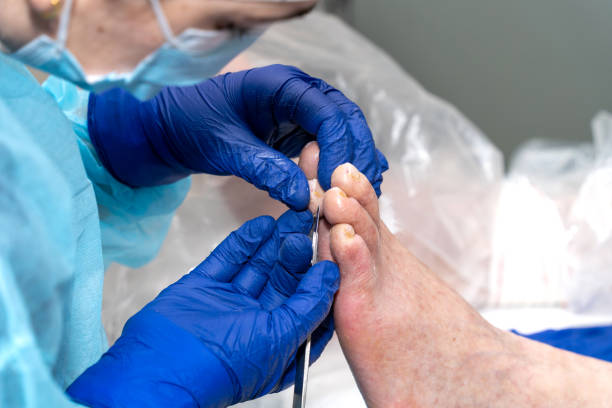
This article will explore the field of podiatry, which is specialised in the diagnosis, treatment, and prevention of foot and nail problems. It will throw light on the crucial role that podiatrists play in this field. Podiatrists are trained experts who can take care of your feet and nails in a variety of ways, from regular maintenance to treating more serious issues.
As we delve into the various ways podiatrists assist patients in taking care of their feet, one nail at a time, we invite you to join us. Whether you’re looking for advice on at-home care or thinking about going to a podiatric clinic, building a strong foundation for your foot health starts with recognising the importance of podiatry in nail health.
Do Podiatrists Help With Nails?
To treat a wide range of nail problems and advise patients on how to keep their nails in the best possible condition, podiatrists are indispensable. Foot and nail health is the primary focus of podiatrists, who also offer diagnostic and preventative services. The following are a few ways podiatrists can help with nail care:
- Ingrown Toenails: Podiatrists are experts in addressing ingrown toenails, a common condition where the edge of the toenail grows into the surrounding skin, causing pain and potential infection. They can perform procedures to remove the ingrown portion of the nail and provide guidance on prevention.
- Fungal Nail Infections: Podiatrists can diagnose and treat fungal infections of the nails (onychomycosis). They may recommend topical or oral antifungal medications and provide advice on preventive measures.
- Nail Trauma: Whether due to injury or repetitive stress, nails can be subject to trauma. Podiatrists can assess and treat nail injuries, providing appropriate care to promote healing and prevent complications.
- Thickened or Discolored Nails: Changes in nail thickness or colour can be indicative of underlying health issues. Podiatrists can examine these changes, determine the cause, and recommend appropriate treatment or further medical evaluation if needed.
- Routine Nail Maintenance: Podiatrists can perform routine nail care, especially for individuals who may have difficulty maintaining their foot hygiene. This includes trimming toenails properly to prevent issues like ingrown nails.
- Diabetic Foot Care: For individuals with diabetes, foot care is of utmost importance. Podiatrists play a key role in monitoring and managing the foot health of diabetic patients, including addressing any nail-related concerns.
- Education and Prevention: Podiatrists educate patients on proper nail care techniques and preventive measures to avoid common issues. This may include advice on footwear, hygiene practices, and lifestyle modifications.
From simple problems like ingrown toenails to more complicated ones like fungal infections, podiatrists are experts in treating all kinds of nail problems. Seeking the advice of a podiatrist can help you keep your feet and nails healthy and pain-free.
What Problems Do Podiatrists Treat?
Podiatrists are medical experts who focus on foot, ankle, and lower limb health. They can diagnose, treat, and even prevent some disorders. The following are examples of typical foot issues treated by podiatrists:
- Ingrown Toenails: When the edge of a toenail grows into the surrounding skin, it can cause pain, redness, and potential infection. Podiatrists can address ingrown toenails through various treatments, including nail trimming, removal of the ingrown portion, or, in severe cases, surgery.
- Fungal Infections: Podiatrists diagnose and treat fungal infections of the toenails (onychomycosis) and skin. They may recommend antifungal medications, topical treatments, or in some cases, laser therapy.
- Plantar Fasciitis: This condition involves inflammation of the plantar fascia, a band of tissue that connects the heel bone to the toes. Podiatrists may recommend orthotic devices, stretching exercises, and anti-inflammatory medications to alleviate pain.
- Bunions: A bunion is a bony bump that forms at the base of the big toe, causing the joint to become misaligned. Podiatrists can provide conservative treatments such as footwear modifications, padding, and orthotic devices, or perform surgical procedures if necessary.
- Heel Pain: Conditions like heel spurs, Achilles tendonitis, and plantar fasciitis can cause heel pain. Podiatrists can identify the underlying cause and recommend appropriate treatments, which may include physical therapy, orthotics, or in severe cases, surgery.
- Corns and Calluses: Podiatrists can safely remove corns and calluses, which are areas of thickened skin that can develop due to friction or pressure.
- Foot and Ankle Injuries: Podiatrists treat a variety of injuries, including sprains, fractures, and ligament tears. They may provide immobilization, physical therapy, and other interventions to promote healing.
- Diabetic Foot Care: Individuals with diabetes are prone to foot complications. Podiatrists play a crucial role in managing diabetic foot health, conducting regular examinations, addressing wounds, and providing preventive care to avoid complications.
- Flat Feet or High Arches: Podiatrists assess and treat abnormalities in foot structure, including flat feet or high arches. They may recommend orthotic devices or other interventions to improve foot function and reduce pain.
- Nail Disorders: Podiatrists address various nail problems, including fungal infections, ingrown toenails, and thickened or discoloured nails.
- Arthritis: Arthritis can affect the joints in the feet and ankles, leading to pain and stiffness. Podiatrists can offer treatments to manage symptoms and improve mobility.
To improve the health and function of the lower extremities as a whole, it is vital to seek the care of a podiatrist. Podiatrists have extensive training to treat both simple and complicated foot and ankle problems.
Conclusion
It is impossible to overstate the importance of podiatrists when it comes to the overall care of the lower branches of the body. They have vast experience treating a broad variety of foot disorders, ranging from straightforward conditions such as ingrown toenails to more complex conditions such as diabetic foot problems.
Podiatrists can provide an accurate diagnosis, effective treatments, and preventative measures, all of which contribute to a significant improvement in the overall health and function of the foot.
Patients who have visited a podiatrist for concerns such as bunions, plantar fasciitis, fungal infections, and other disorders can regain their ability to move freely and get back on their feet more quickly. The essential role that early detection and proactive management play in the treatment of diabetic foot care demonstrates the significance of these two factors in the prevention of complications.
Podiatrists are advocates for foot health who instruct individuals on how to better care for their feet and what to do to prevent problems from occurring in the first place. To attain this goal, podiatrists use a range of treatments, including conservative care, the design of specialised orthotics, and, in extreme circumstances, surgical operations.
When it comes to providing comprehensive medical treatment, podiatry is an essential component that ensures individuals can walk, stand, and move around in a manner that is both free and comfortable. A podiatrist should be visited frequently to meet the goals of maintaining healthy feet, quickly treating any difficulties that may arise, and fostering a lifestyle that is both active and pain-free.
Podiatrists are people who are committed to the overall health and well-being of their patients, and this commitment is reflected in the careful attention that they provide to the feet.
For more information, click this guide “nail cutting home visit”.