
Renovating your bathroom is an exciting project, but it’s not without its challenges. Without proper planning and knowledge, it’s easy to make costly mistakes that can negatively impact both the design and functionality of your space.
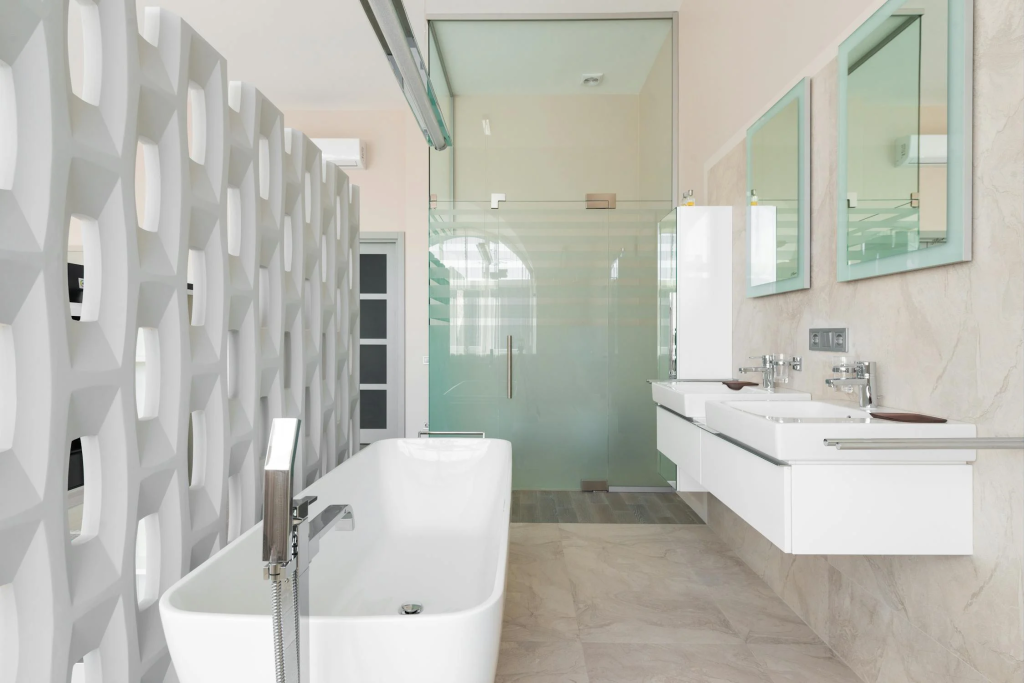
This article outlines the 10 common bathroom renovation mistakes you should avoid at all costs to help ensure that your renovation goes smoothly and the results are long-lasting. The following sections will provide a detailed description of each mistake, along with practical advice on how to avoid it.
1. Ignoring Proper Planning
Failing To Set A Clear Budget
One of the first and most significant mistakes is not having a clear budget in place. Without a detailed budget, it’s easy to overspend or run out of money halfway through the renovation.
- Establish a clear budget: Before you start, set a maximum amount you’re willing to spend. Be realistic about costs.
- Break down costs: Allocate funds to various elements such as plumbing, electrical work, materials, and labour. This ensures that each part of the renovation is properly funded.
- Plan for contingencies: Always set aside at least 10-15% of your budget for unexpected costs.
Not Having A Design Vision
Another mistake is diving into the renovation process without a cohesive design plan. A lack of vision can result in a mismatched and inefficient bathroom.
- Create a mood board or design concept: Collect images and materials that inspire you to define the look and feel you want.
- Consult a designer: Working with a professional can help bring your vision to life while also making sure your design is practical.
- Think about the future: Choose timeless styles that will still look good in several years.
2. Underestimating The Importance Of Proper Ventilation
Poor Ventilation Can Cause Major Issues
A well-ventilated bathroom is critical to prevent moisture buildup that can lead to mould and mildew growth. Without proper airflow, you risk damaging walls, ceilings, and the overall air quality in your home.
- Install a quality exhaust fan: A good exhaust fan will help remove moisture and prevent humidity-related issues.
- Ensure adequate airflow: In addition to the exhaust fan, consider installing a window or opening to increase natural ventilation.
- Use moisture-resistant materials: Moisture-resistant paints and finishes will help prevent long-term damage in high-humidity areas.
3. Choosing The Wrong Materials
Not All Materials Are Bathroom-Friendly
When renovating, it’s essential to select materials that are designed to withstand the bathroom environment. Some materials simply aren’t suitable for the wet conditions of the room.
- Avoid porous materials like untreated wood or fabric-based wallpapers, which can absorb moisture and cause issues over time.
- Opt for water-resistant materials: Porcelain, ceramic tiles, and quartz are durable options that resist moisture.
- Use non-slip flooring: Choose tiles with a textured surface or specific non-slip finishes for wet areas.
4. Overlooking Plumbing And Electrical Needs
Underestimating The Importance Of Plumbing
Plumbing mistakes can be costly and time-consuming to fix. If you are moving or adding fixtures, ensuring your plumbing is properly re-routed is critical.
- Hire a professional plumber: Don’t attempt to alter plumbing yourself unless you’re fully qualified. It can cause leaks and other major issues.
- Check water pressure: Ensure that any new fixtures, such as showerheads or taps, are compatible with your home’s water pressure.
- Ensure compliance with codes: Always ensure your plumbing work complies with local building regulations.
Misjudging Electrical Requirements
Electrical mistakes in the bathroom can be dangerous. With so much moisture around, it’s essential to adhere to safety standards for electrical work.
- Use a licensed electrician: Electrical systems in wet areas must be installed correctly to prevent hazards.
- Install the correct number of outlets: Plan for sufficient power sources for lighting, fans, and electrical devices like hairdryers.
- Consider waterproof lighting: Ensure lights are rated for wet or damp environments, especially near showers or bathtubs.
5. Not Considering Future Maintenance
Choosing Hard-To-Clean Features
Opting for high-maintenance materials or features can cause unnecessary hassle down the line. Easy-to-clean options will save time and effort in maintaining your bathroom.
- Select low-maintenance materials: quartz, acrylic, and glass, which are durable, easy to clean, and resistant to water damage.
- Avoid grout-heavy designs: Excessive grout lines in tiling are hard to maintain and can attract dirt and mould.
- Keep fixtures simple: Complex fixtures may look appealing at first but can quickly collect dust and grime.
Forgetting About Accessibility
Future-proofing your bathroom for accessibility is often overlooked, but it’s an essential part of a well-planned renovation.
- Install grab bars: Particularly in the shower or near the toilet, grab bars can provide support and safety.
- Plan for wider doorways: If you plan on using mobility aids in the future, ensure the bathroom is spacious enough to accommodate them.
- Use non-slip surfaces: Floors should be easy to walk on, even with wet feet.
6. Incorrectly Sizing Fixtures
Misjudging The Size Of Fixtures
Choosing fixtures that don’t fit the space properly can make the bathroom feel cramped or underwhelming.
- Measure your space accurately: Ensure all fixtures, from bathtubs to sinks, fit comfortably within the available space.
- Think about scale: Large fixtures in small bathrooms can make the room feel crowded. Conversely, too-small fixtures in a larger bathroom can look disproportionate.
- Prioritise comfort and function: Choose fixtures that offer practicality and comfort without overcrowding the room.
7. Neglecting Storage Space
Lack Of Storage Can Lead To Clutter
Storage is often limited in bathrooms, which can lead to clutter if not properly planned. A well-organised bathroom not only looks better but also functions better.
- Install built-in shelves or cabinets: Use vertical space to create storage without taking up floor space.
- Use floating vanities: These help create the illusion of more space while providing ample storage underneath.
- Add multi-purpose solutions: Consider storage options that can serve more than one function, such as mirrors with built-in storage or under-sink organisers.
8. Overcomplicating The Layout
A Complex Layout Can Be Counterproductive
A bathroom layout should be straightforward and easy to navigate. Complex layouts can lead to poor use of space and less-efficient design.
- Keep the layout simple: Focus on functionality and comfort by maintaining clear pathways between fixtures.
- Use the “work triangle” principle: The distance between the sink, toilet, and shower/bath should be optimal for easy movement.
- Avoid cramped spaces: Ensure each fixture has enough space around it for ease of use and access.
9. Failing To Hire Professionals When Necessary
Diy Can Be Tempting But Risky
DIY projects might seem like a cost-saving option, but some tasks are best left to professionals. Plumbing, electrical, and tiling work require expertise to ensure safety and quality.
- Hire a qualified plumber for any work involving water lines, drainage, or sewer connections.
- Use an experienced tiler: Properly laid tiles are essential for both aesthetic and functional reasons.
- Consult an interior designer: Professional design advice can save you time, money, and frustration by ensuring your bathroom looks cohesive and works efficiently.
10. Overlooking Lighting Needs
Insufficient Lighting Can Detract From The Aesthetic
A bathroom with poor lighting can feel cramped and unwelcoming. It’s essential to have the right combination of task, ambient, and accent lighting to enhance both the functionality and mood of the space.
- Layer your lighting: Use a combination of overhead, task, and accent lighting to create a well-lit bathroom.
- Install bright lighting near the mirror for activities such as shaving or applying makeup.
- Consider dimmable lights: These allow you to adjust the lighting for different needs, from bright lighting for tasks to softer lighting for relaxation.
Conclusion
Bathroom renovations can be a fantastic way to refresh your home, but it’s important to be aware of common mistakes that can derail your project.
By following the advice above, you’ll avoid costly errors and create a bathroom that is functional, stylish, and built to last. With careful planning, the right materials, and professional help when needed, your bathroom renovation can be a success.
Frequently Asked Questions
What Are The Most Common Mistakes In Bathroom Renovations?
The most common mistakes in bathroom renovations include poor planning, choosing the wrong materials, ignoring ventilation needs, and failing to account for storage. Proper budgeting and professional help are crucial to avoid these issues.
How Much Should I Budget For A Bathroom Renovation?
The budget for a bathroom renovation varies widely depending on the scope of the project and the quality of materials you choose. On average, a simple renovation may cost between $10,000 and $20,000, while a more extensive renovation can exceed $30,000 or more.
How Long Does A Bathroom Renovation Take?
A bathroom renovation typically takes between 2 to 4 weeks, depending on the complexity of the project. Smaller renovations may be completed in less time, while larger remodels involving plumbing and electrical work could take longer.