
When garage floors are subjected to heavy loads, temperature variations, and chemical exposure, cracks can develop over time. All of these factors can contribute to the production of cracks in the garage floor. It is essential to fix these concerns to preserve the structural integrity of your garage as well as its appearance. This is true whether the crack is a hairline fracture or a more severe break.
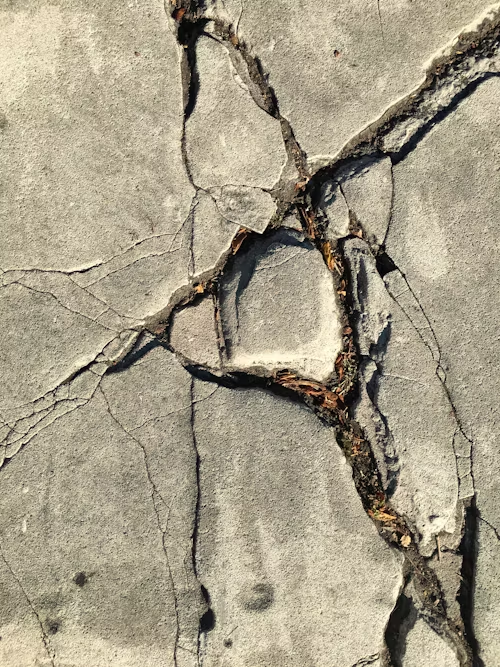
In this article, we will discuss the numerous factors that might lead to cracks in the garage floor, as well as provide detailed instructions on how to fix your garage floor cracks. By adhering to these useful suggestions, you will be able to restore the appearance and longevity of your garage floor, so guaranteeing that it will continue to be a location that is both functional and appealing for many years to come.
How Do You Fix Cracks On Garage Floor?
Fixing cracks on a garage floor involves assessing the type and severity of the cracks, selecting appropriate repair materials, and following the correct steps for a lasting solution. Here’s a comprehensive guide to help you repair cracks on your garage floor:
Step 1: Assess The Crack
- Determine the Severity: Identify if the crack is superficial or structural. Superficial cracks are typically small and do not impact the structural integrity, while larger or deeper cracks might indicate underlying issues with the foundation.
- Check for Moisture: Examine the crack for any signs of moisture or leaks. Moisture can indicate a larger problem that may require professional intervention.
Step 2: Clean The Crack
- Remove Debris: Use a wire brush or a similar tool to remove dirt, loose concrete, and debris from the crack.
- Clean with Compressed Air: Blow out any remaining dust or debris with compressed air.
- Degrease if Necessary: If there’s oil or grease on the surface, use a degreaser to clean the area. Rinse with water and let it dry completely.
Step 3: Choose The Right Repair Material
- Epoxy or Polyurethane: These materials are ideal for hairline cracks and provide a durable seal. They can also be used for slightly larger cracks with minimal movement.
- Concrete Repair Mortar: For wider cracks, this material is more appropriate. It can fill and bond to the existing concrete.
- Self-Leveling Compound: If the crack has caused unevenness in the floor, a self-leveling compound can help restore a smooth surface.
Step 4: Apply The Repair Material
- Epoxy/Polyurethane for Small Cracks:
- Mix the epoxy or polyurethane according to the manufacturer’s instructions.
- Use a putty knife to apply the material into the crack, ensuring it’s filled.
- Smooth the surface and allow it to dry as per the product’s instructions.
- Concrete Repair Mortar for Larger Cracks:
- Prepare the mortar following the instructions.
- Fill the crack with the mortar, pressing it firmly to ensure it bonds with the existing concrete.
- Use a trowel to level the surface.
- Allow it to cure as recommended by the manufacturer.
Step 5: Finishing Touches
- Sand if Necessary: If the repaired area is uneven, lightly sand it to create a smooth surface.
- Seal the Surface: To protect against future cracks and moisture, apply a concrete sealer over the entire garage floor. This step helps prevent damage from chemicals, oil, and water.
Step 6: Monitor For Future Issues
- Regular Inspection: Keep an eye on the garage floor for any new cracks or signs of existing cracks widening. Address any issues promptly to prevent further damage.
By following these steps, you can effectively repair cracks on your garage floor and maintain its durability. If you encounter severe cracks or suspect structural issues, it’s best to consult with a professional contractor or structural engineer for expert advice.
Are Cracks In The Garage Floor Normal?
Cracks in a garage floor are relatively common, and they aren’t always a cause for concern. Here’s what you need to know about why cracks occur and when they might signal a more serious problem:
Common Causes Of Cracks
- Shrinkage: As concrete cures, it can shrink and create minor cracks. This is a natural process and typically results in hairline cracks.
- Temperature Fluctuations: Concrete expands and contracts with temperature changes, leading to stress that can cause cracks.
- Settlement: Over time, the ground beneath the concrete can shift or settle, leading to cracks in the surface.
- Heavy Loads: Garages often support heavy vehicles and equipment, which can cause stress and lead to cracking.
- Poor Installation: If the concrete mix is incorrect or the installation wasn’t done properly, it can lead to cracking.
When Cracks Are Normal
- Hairline Cracks: These thin cracks are generally harmless and result from normal shrinkage or temperature changes.
- Static Cracks: If the cracks don’t seem to be growing or spreading, they likely aren’t a structural concern.
- Superficial Cracks: If the cracks only affect the surface layer of the concrete, they are usually cosmetic.
When To Be Concerned
- Widening or Spreading Cracks: If you notice cracks getting wider or longer over time, this could indicate a more serious issue with the underlying structure.
- Cracks with Vertical Movement: If the two sides of a crack are at different levels (indicating vertical displacement), it suggests that the ground beneath the concrete may be shifting.
- Water Infiltration: If you see water seeping through the cracks or pooling around them, this could point to drainage issues or other problems with the foundation.
- Large Cracks: Wide cracks, especially those wider than 1/8 inch (about 3 mm), could suggest a structural concern.
What To Do If You’re Concerned
- If you encounter cracks that raise concerns, it’s best to consult with a professional. A structural engineer or a concrete specialist can assess the situation and determine if there’s an underlying issue that requires attention.
While some cracks in a garage floor are normal and not a cause for worry, it’s important to monitor them for changes and be aware of any signs that might indicate a more serious problem. Regular maintenance and prompt repairs can help ensure the longevity and safety of your garage floor.
Conclusion
The formation of cracks in a garage floor is a well-known phenomenon that frequently occurs as a natural consequence of the aging process of a concrete floor. They may be the consequence of several different events, including shrinkage, temperature variations, settling, or high loads. Many cracks are not harmful and are merely cosmetic, but some can signify more serious structural difficulties.
If you are dealing with hairline or superficial cracks, straightforward fixes utilising epoxy, polyurethane, or concrete repair mortar can be an efficient technique for addressing the issue. On the other hand, you must seek the counsel of a specialist if you observe cracks that are growing in size, exhibiting vertical displacement, or being accompanied by indications of water contamination.
The integrity and safety of your garage floor can be maintained through the use of regular inspections and repairs that are performed promptly. It is possible to prevent further damage to your garage and ensure that it will continue to be a functioning and appealing environment for many years to come if you address cracks as soon as they appear and follow the appropriate repair processes accordingly.
If you are uncertain, do not be afraid to seek the advice of a structural engineer or a concrete specialist for professional direction.