
Plaster has been around for a long time and has many uses, but it is still very important today. Throughout history, plaster has played a crucial role in building and artistic endeavours. Its long lifespan, malleability, and aesthetically pleasing properties have ensured its continued esteem.
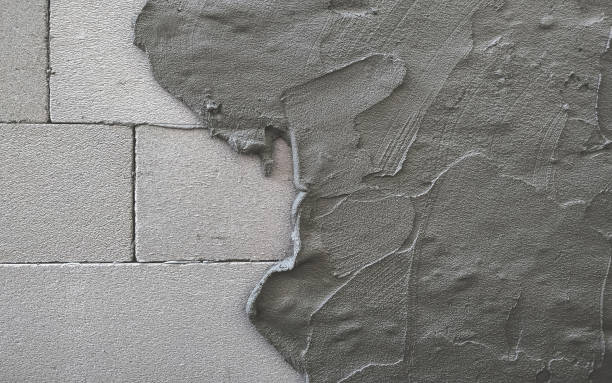
Plaster has many applications; this page lists a few, including making ornamental finishes, fixing walls, making sculptures, and even medicine. Learning about plaster’s many uses highlights the material’s lasting worth in aesthetics and building.
What Would Plaster Be Best Used For?
Plaster is best used for a wide range of applications due to its versatility and practical properties. Some of the primary uses include:
- Wall Finishes and Repairs: Plaster is commonly used to create smooth and durable wall finishes. It can be applied in layers to repair damaged walls, cover imperfections, and create decorative textures.
- Sculpture and Art: Plaster is favoured by artists and sculptors for its ability to capture intricate details and hold shapes well. It can be moulded and carved into various forms, making it ideal for creating sculptures, reliefs, and decorative art pieces.
- Mould Making: Plaster is often used in mould-making processes due to its ability to reproduce fine details. It can be poured into moulds to create casts of objects, statues, or architectural elements.
- Medical and Dental Applications: Plaster casts are commonly used in orthopedics to immobilize and support broken bones during healing. Dental professionals also use plaster for making dental models and prosthetics.
- Construction: In construction, plaster is used for creating decorative elements such as cornices, ceiling roses, and columns. It is also used to form smooth, even surfaces on walls and ceilings.
- Fireproofing: Plaster’s fire-resistant properties make it suitable for coating materials and structures to enhance their fire resistance.
- Historical Restoration: Plaster is essential in the restoration of historical buildings and monuments, helping to preserve architectural heritage by replicating original designs and finishes.
Plaster’s versatility, durability, and aesthetic appeal make it a valuable material in various industries, from construction and art to healthcare and historical preservation.
What Is The Best Plaster To Use?
The best plaster to use depends on the specific application and requirements. Here are some common types of plaster and their typical uses:
Gypsum Plaster (Plaster of Paris)
- Uses: Gypsum plaster is widely used for interior wall finishes and decorative mouldings due to its smoothness and ease of application. It is also used for making moulds and casts in art and dentistry.
- Advantages: Sets quickly, is easy to work with, good for detailed moulds and casts.
Lime Plaster
- Uses: Lime plaster is often used for exterior plastering, as well as historical restorations and conservation work. It allows buildings to breathe and is suitable for older or historic structures.
- Advantages: More flexible and breathable than cement-based plasters, good for old buildings and natural surfaces.
Cement Plaster
- Uses: Cement plaster is commonly used for exterior plastering and in damp environments where greater strength and durability are required. It is also used as a base coat for other finishes.
- Advantages: Very durable, suitable for high-impact areas, and resistant to moisture.
Acoustic Plaster
- Uses: Acoustic plaster is designed to absorb sound, making it ideal for spaces where noise reduction is important, such as theatres, concert halls, and recording studios.
- Advantages: Improves acoustic performance, aesthetically pleasing.
Clay Plaster
- Uses: Clay plaster is a natural and environmentally friendly option used for interior wall finishes. It regulates humidity and can contribute to a healthier indoor environment.
- Advantages: Natural, breathable, regulates humidity, eco-friendly.
When choosing the best plaster for a specific project, consider factors such as the intended use (interior vs. exterior), the environment (moisture resistance), aesthetic requirements, and any specific performance characteristics needed (such as fire resistance or acoustic properties). Consulting with a professional or supplier who understands plaster materials can also provide valuable guidance based on local conditions and project specifics.
Why Is Plastering Used?
Plastering is used for several important reasons across different applications:
- Surface Smoothing and Leveling: Plastering provides a smooth and level surface on walls and ceilings, covering imperfections such as bumps, cracks, and unevenness. This results in a clean and aesthetically pleasing finish that prepares the surface for further decoration or use.
- Protection and Durability: Plaster acts as a protective layer that shields underlying materials (such as bricks, concrete, or wood) from damage due to weathering, moisture, and physical wear. It enhances the durability of structures, extending their lifespan.
- Enhanced Fire Resistance: Certain types of plaster, such as gypsum and cement plaster, have inherent fire-resistant properties. When applied to walls and ceilings, plaster can improve the fire resistance of buildings, providing valuable time for evacuation and firefighting efforts.
- Sound Insulation and Acoustics: Plaster can contribute to better acoustics within buildings by absorbing sound waves. This is particularly important in spaces like theatres, concert halls, and recording studios where clear sound quality is desired.
- Thermal Insulation: Depending on the type and thickness, plaster can provide a degree of thermal insulation, helping to regulate indoor temperatures and reduce heating or cooling costs.
- Decoration and Aesthetic Enhancement: Plastering allows for a wide range of decorative finishes and textures, enhancing the visual appeal of interiors and exteriors. It provides a versatile canvas for painting, wallpapering, or applying other decorative treatments.
- Repair and Restoration: Plastering is often used in the repair and restoration of historic buildings and monuments. It helps maintain the original appearance and structural integrity of these structures, preserving architectural heritage.
Plastering serves both practical and aesthetic purposes, contributing to the functionality, durability, safety, and visual appeal of buildings and structures in various contexts. Its versatility makes it a valuable construction material with applications ranging from residential homes to commercial buildings and cultural landmarks.
Conclusion
As a foundational technique in construction and remodelling, plastering improves the beauty and functionality of structures in countless ways. Plastering surfaces are smooth and level, which not only makes them more aesthetically pleasing but also preserves and prolongs the life of the underlying components.
Improving acoustic qualities, adding to thermal insulation, and increasing fire resistance are just a few of its many uses in making buildings safer, more comfortable, and more energy efficient.
In addition, plastering is essential for cultural and historical preservation since it keeps buildings in their original condition and ensures that they remain structurally sound. Plastering is an essential and multipurpose technique in contemporary building practices all over the world, serving both practical and aesthetic functions, such as surface preparation and protection and ornamental finishes.
Plastering has a long and storied history that spans millennia, and it is always changing and adapting to meet the demands of modern construction. Plastering is a great example of traditional architectural skill and craftsmanship, and it also has the practical benefit of making surfaces that are both long-lasting and visually beautiful.
Its adaptability makes it suitable for a wide range of construction materials and styles, from time-honoured approaches to historic preservation to cutting-edge strategies for modern design.
Furthermore, plastering isn’t just for practical purposes; it encourages imagination by allowing elaborate designs and decorative effects that elevate the atmosphere of any room. Plastering continues to be an integral part of building integrity in modern construction techniques. It provides solutions that combine history with technological innovation to satisfy the demands of environmentally and aesthetically sensitive surroundings.
Looking for more information? Just have a peek at these guys!