
A building inspection is a crucial part of the property buying, selling, or maintenance process in Australia. Whether you’re purchasing your first home, selling a property, or planning to renovate, a building inspection ensures that you are fully informed about the condition of the property.
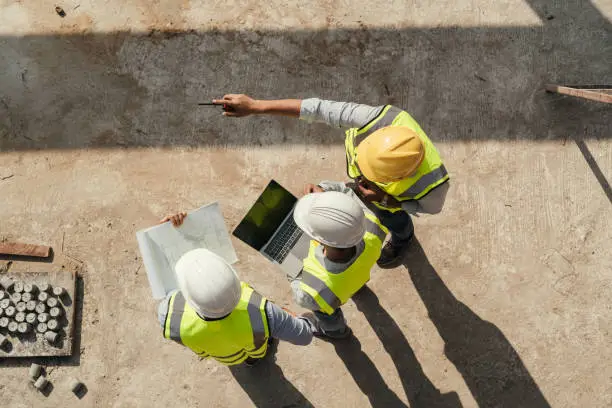
It helps you avoid unforeseen costs, legal complications, and safety risks that may arise from structural issues, faulty electrical systems, or pest infestations.In this article, we will explore the purpose of a building inspection, the benefits it offers to different parties involved, the key elements of a building inspection, and why it’s an essential part of property transactions in Australia.
What Is A Building Inspection?
A building inspection is an assessment of the condition of a property, generally conducted by a professional inspector. The inspector examines various components of the building and identifies any defects, damages, or issues that may affect the property’s structural integrity, safety, or functionality.
In Australia, building inspections are commonly performed before purchasing a property or during regular property maintenance.There are different types of building inspections, including pre-purchase inspections, pre-sale inspections, pest inspections, and ongoing property inspections for landlords. The exact scope of a building inspection depends on the type of inspection and the property’s specific needs.
Purpose Of A Building Inspection
The primary purpose of a building inspection is to evaluate the overall condition of a property, identifying any issues that could impact its value, safety, or habitability. A licensed building inspector will thoroughly assess the property’s structure, including the foundations, walls, roof, and systems such as plumbing, electrical, and heating.
They will also inspect the external elements, such as the landscaping, drainage, and any potential hazards. The inspector’s findings are compiled into a detailed report, highlighting any defects, maintenance requirements, or areas of concern that could require immediate attention or affect the property’s long-term value. This process ensures that prospective buyers or owners can make informed decisions about the property’s condition and any necessary repairs or upgrades.
A. Identify Structural Defects
A building inspection plays a crucial role in identifying any structural defects that may pose a serious risk to the safety of the property’s occupants. These defects typically involve the foundation, walls, roof, and other load-bearing elements, all of which are vital for the integrity of the building.
By detecting these issues early, potential hazards can be addressed before they develop into larger, more expensive problems. Early identification not only helps in avoiding costly repairs but also ensures the property remains structurally sound and safe for habitation. A thorough inspection provides peace of mind to property owners and helps protect their investment by highlighting necessary repairs or upgrades before they become urgent concerns.
B. Assess The Property’s Condition
A building inspection provides a comprehensive assessment of a property’s overall condition. During the inspection, the professional will identify any signs of wear and tear, cosmetic damage, or functional issues that may require attention. This could range from minor problems such as peeling paint or chipped tiles to more significant concerns like faulty plumbing, broken windows, or damaged doors.
By identifying these issues early, you can prioritise repairs and plan for ongoing maintenance, ensuring the property remains safe, functional, and visually appealing. Addressing these problems promptly can prevent further deterioration and potentially higher repair costs down the line. Ultimately, a building inspection gives you the insight needed to preserve the value and longevity of the property.
C. Highlight Safety Hazards
Safety is a paramount consideration during any building inspection, as it ensures the well-being of occupants and visitors. Inspectors thoroughly assess various elements of a building, focusing on potential hazards that could pose risks. This includes checking for faulty electrical wiring, gas leaks, and fire hazards, as well as inspecting staircases for structural integrity and ensuring handrails are secure and at the correct height.
Poor ventilation can also be a significant concern, leading to health issues. By identifying these risks early, building inspections provide a crucial service in preventing accidents and ensuring compliance with safety standards. Ultimately, these inspections help protect lives by addressing safety issues before they escalate into serious problems.
D. Check For Pest Infestations
Pests like termites, rats, and various insects can cause substantial harm to a property. During a building inspection, a pest inspection is commonly included to assess whether a property is infested or has sustained pest-related damage. Termites, in particular, pose a significant threat, as they can weaken timber frames and beams, compromising the structural integrity and safety of the building.
If left undetected, these pests can lead to costly repairs and long-term damage. Early identification of pest issues is crucial, as it allows property owners to address the problem before it escalates. Regular pest inspections can ultimately save money and help maintain the property’s value by preventing extensive and expensive damage.
E. Determine Maintenance Requirements
Building inspections offer valuable insights into the condition of a property, highlighting necessary repairs or ongoing maintenance to ensure it remains in optimal condition. Regular inspections help preserve a property’s value, as a well-maintained home is less likely to deteriorate or require expensive, extensive repairs in the future.
In addition to identifying issues, an inspector’s report outlines a timeline for addressing repairs, along with estimated costs, enabling property owners to plan effectively. This proactive approach helps owners budget for upcoming work, minimising surprises and reducing the risk of sudden, costly maintenance. Ultimately, an inspection contributes to a safer, more comfortable living environment while ensuring the long-term value of the property is maintained.
Conclusion
In Australia, a building inspection serves a vital purpose in protecting the interests of buyers, sellers, property owners, and tenants. It helps identify structural defects, safety hazards, and maintenance needs, allowing for informed decision-making and reducing the risk of unforeseen costs or legal complications.
Whether you are purchasing a new property, selling your home, or maintaining a rental property, a building inspection is an essential tool for ensuring the property is safe, functional, and valuable in the long term.For buyers, a building inspection provides peace of mind, and for sellers, it can result in a smoother transaction.
Ultimately, a thorough building inspection helps create a safer living environment and ensures that property transactions in Australia proceed without major setbacks.
Frequently Ask Question
What Is The Difference Between A Building Inspection And A Pest Inspection?
A building inspection focuses on the structural integrity and overall condition of the property, assessing things like the foundation, roofing, plumbing, and electrical systems.
A pest inspection, on the other hand, specifically looks for evidence of pest damage or infestations, such as termites, rodents, and other insects. While both inspections are important, they serve different purposes. Many building inspectors offer a combined service that includes both inspections.
What Happens If The Building Inspection Uncovers Major Issues?
If a building inspection uncovers major issues, such as severe structural damage, pest infestations, or safety hazards, you can take several actions. Depending on the severity of the findings, you may choose to negotiate with the seller for repairs or a price reduction.
Alternatively, you could ask for a credit to cover the cost of repairs or even walk away from the deal if the issues are too overwhelming or costly to fix. The inspection report serves as a tool for informed decision-making.
Is A Building Inspection Required By Law In Australia?
A building inspection is not legally required by law in Australia, but it is highly recommended, especially during property transactions. Most buyers opt for a building inspection to avoid unexpected problems and to ensure the property is safe and in good condition.
In some cases, lenders may also request a building inspection before approving a loan. Additionally, sellers may choose to have an inspection done before listing the property to provide transparency and attract potential buyers.
Click My Company For More Details