
Removal is a complex and demanding task that requires the right tools and equipment to be done safely and effectively. Whether dealing with a small tree in your yard or a towering tree in a tight space, having the proper gear can make all the difference. From chainsaws to cranes, each piece of equipment uniquely ensures a smooth and efficient process.
This guide breaks down the most commonly used tools for tree removal, highlighting their features and the specific tasks they’re suited for. It aims to help you understand how professionals tackle this challenging job.
1. Chainsaws
Overview Of Chainsaws
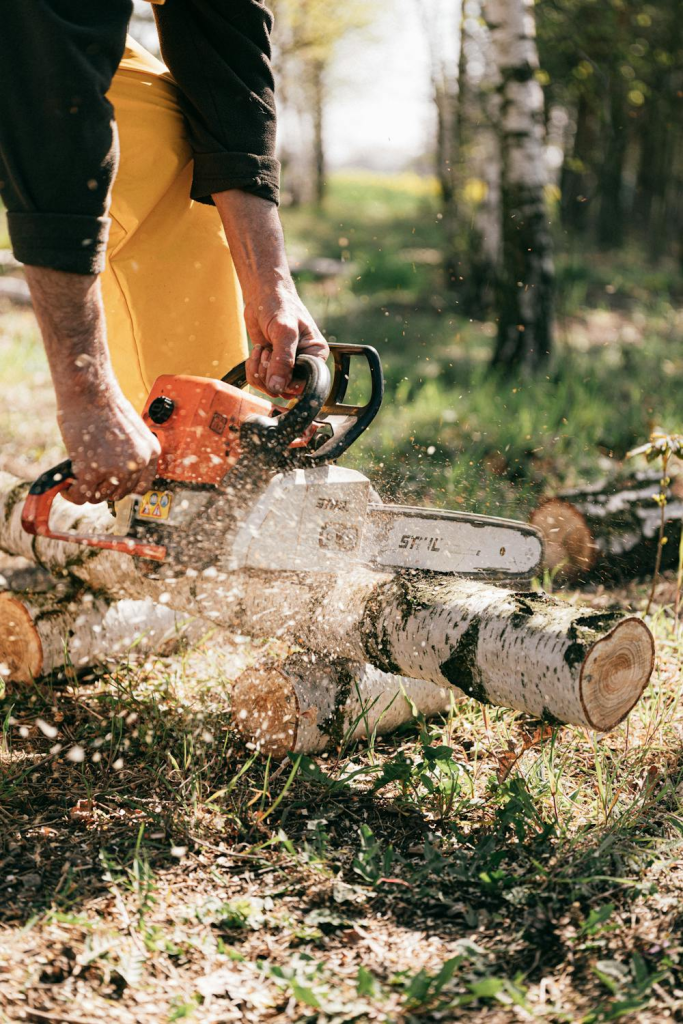
Chainsaws are the most crucial piece of equipment used for tree removal. Whether cutting through small branches or large tree trunks, a chainsaw is essential for effectively and efficiently bringing down a tree.
Types Of Chainsaws
- Gas-Powered Chainsaws: These are typically more powerful and suitable for larger jobs. They provide greater mobility as they don’t require an extension cord, making them ideal for remote areas or large trees.
- Electric Chainsaws: Electric versions are lighter and quieter than gas-powered chainsaws, and they are often used for smaller tree removal tasks or in areas where noise and emissions are a concern.
Key Features
- Mobility: Gas-powered chainsaws are portable, making them ideal for large or remote tree removal tasks.
- Efficiency: Chainsaws with sharp, fast-moving blades ensure smooth and efficient cutting of trunks, branches, and limbs.
- Safety: Chainsaws can be dangerous tools. Professionals must wear the appropriate protective gear and be trained in their proper use to prevent accidents.
2. Wood Chippers
What Are Wood Chippers?
Once a tree has been felled, the next step is dealing with the debris. Wood chippers are crucial for reducing large branches and trunks into manageable mulch. These machines help clear the area and make waste disposal easier.
Types Of Wood Chippers
- Brush Chippers: These are smaller, portable machines that can be attached to a truck or vehicle. Brush chippers are ideal for processing smaller branches and logs, typically up to 18 inches in diameter.
- Whole Tree Chippers: These large chippers can handle entire trees, including large trunks and branches up to 30 inches in diameter. They are commonly used in major tree removal projects where extensive tree material needs to be processed.
Key Benefits
- Efficiency: Chippers reduce the need for manual handling and help clear large amounts of debris quickly.
- Eco-Friendly: The mulch produced by wood chippers can be reused in landscaping, gardens, or as compost.
- Convenience: Chippers make debris disposal more efficient and reduce the space needed to store large tree parts.
3. Cranes
Why Are Cranes Used?
Cranes are used when tree removal involves large trees or trees located in tight or hazardous spaces. For example, when a tree is close to power lines, buildings, or other structures, cranes allow for precise control over how the tree is cut down and moved.
How Cranes Are Used In Tree Removal
- Precision: Cranes allow tree professionals to carefully remove large sections of a tree and lower them to the ground without damaging surrounding structures.
- Safety: By using a crane, arborists can work from the ground while maintaining a high level of control over the tree removal process.
- Efficiency: Cranes help to speed up the process by lifting and moving large tree parts quickly, reducing the overall time spent on the job.
Key Features
- Lift Capacity: Cranes come in various sizes and lifting capacities, allowing them to handle everything from small branches to massive tree trunks.
- Control: Cranes allow workers to control the direction of each cut and the fall of tree sections, ensuring that they land safely.
4. Stump Grinders
What Are Stump Grinders?
After the tree is felled, the remaining stump can be an eyesore and a tripping hazard. Stump grinders are heavy-duty machines designed to grind down tree stumps and their roots, leaving the area clear for other uses.
How Stump Grinders Work
Stump grinders work by using a rotating blade to chip away at the stump. The process leaves behind wood chips and small debris, which can be cleared away easily.
Types Of Stump Grinders
- Handheld Stump Grinders: These are small, portable grinders that can be used by one person. They are suitable for smaller jobs, such as residential stump removal.
- Large Stump Grinders: These are larger, more powerful machines designed for industrial-grade stump removal. They can handle larger, more stubborn stumps.
Key Benefits
- Clear Yard Space: Stump grinders leave the area smooth and level, making it easier to replant or landscape.
- Safety: Stumps can pose a tripping hazard, especially for children and pets. Removing the stump helps to prevent accidents.
- Soil Health: Removing the stump and grinding the roots prevents disease and pest infestations in the soil.
5. Climbing Gear & Ropes
Why Climbing Gear Is Necessary
When removing trees, particularly large ones, arborists often need to climb the tree to ensure that it is felled in the correct direction or to reach higher branches. Climbing gear allows workers to ascend safely and securely while performing their jobs.
Types Of Climbing Gear
- Harnesses: These are worn by the arborist to secure them to the tree, preventing them from falling while working at heights.
- Ropes: Strong, durable ropes are used both for climbing and for rigging the tree to control the direction in which it falls. Ropes are also used to lower tree sections safely to the ground.
- Carabiners: These metal loops are used to secure ropes, pulleys, and other equipment during the climbing process.
Key Benefits
- Safety: Climbing gear ensures that arborists can work at heights without the risk of falling.
- Precision: The use of ropes and harnesses gives tree professionals the control they need to remove the tree in a precise manner.
6. Pole Saws
What Are Pole Saws?
Pole saws are extendable cutting tools used to trim high branches without the need for a ladder or climbing. These tools allow arborists to reach branches that are too high to be cut with a standard chainsaw.
How Pole Saws Work
Pole saws come with a long, extendable pole, which allows the operator to cut branches up to several metres off the ground. The saw itself is usually either gas-powered or electric, depending on the model.
Key Benefits
- Reach: Pole saws can extend to significant heights, providing arborists with the ability to cut branches safely from the ground.
- Efficiency: These tools save time by allowing for the trimming of high branches without the need to climb the tree.
7. Axes And Wedges
The Role Of Axes And Wedges
Axes and wedges are traditional tools that still play an important role in tree removal. They are often used in conjunction with chainsaws to ensure the tree falls in the desired direction or to remove smaller branches that are difficult to cut with a chainsaw.
How Axes And Wedges Are Used
- Axes: Axes are used for cutting smaller branches or tree sections that chainsaws can’t easily access.
- Wedges: These are inserted into the tree trunk after a chainsaw cut is made. The wedge helps to guide the tree’s fall in the desired direction. Wedges are especially useful for felling large or leaning trees.
Key Benefits
- Precision: Wedges help to direct the fall of a tree, preventing damage to nearby structures or plants.
- Efficiency: Axes allow workers to make quick cuts on smaller branches or sections of the tree, which can then be handled more easily.
8. Protective Gear
Why Protective Gear Is Essential
Tree removal is a dangerous task, and it’s crucial for tree professionals to wear the appropriate protective gear to prevent injuries. The right gear helps to ensure that workers are safe while using potentially hazardous tools and equipment.
Types Of Protective Gear
- Helmets and Face Shields: To protect the head and face from falling debris.
- Safety Glasses: To shield the eyes from dust, debris, and flying wood chips.
- Gloves: To protect the hands from cuts and abrasions while handling sharp tools.
- Chainsaw-Resistant Clothing: Specially designed clothing that can help prevent serious injuries if the chainsaw slips or kicks back.
- Hearing Protection: To protect ears from the loud noise generated by chainsaws and other machinery.
Key Benefits
- Safety: Protective gear reduces the risk of injury during tree removal tasks.
- Comfort: Properly fitted gear ensures that workers can focus on the task at hand without distractions or discomfort.
Conclusion
Tree removal is a highly specialised task that requires a range of tools and equipment. From chainsaws and wood chippers to cranes and climbing gear, each piece of equipment plays a crucial role in ensuring the job is completed safely and efficiently.
Whether you’re tackling a small tree in your backyard or a large tree in a crowded urban area, these tools are designed to make the process faster, safer, and more effective. Always remember that tree removal should be left to the professionals, as the correct use of these tools can prevent accidents and damage to your property.
Frequently Asked Questions
Why Is A Stump Grinder Necessary?
A stump grinder is used to grind down the remaining tree stump into small chips after the tree has been felled. This prevents regrowth and leaves the ground level and clear for future landscaping or construction.
What Role Does A Wood Chipper Play In Tree Removal?
A wood chipper is used to shred branches and other tree debris into small pieces. It helps to manage the waste efficiently, allowing for easy disposal or reuse as mulch in gardens.
Are There Any Other Tools Used For Tree Removal?
Other tools include ropes, harnesses, and pulley systems, especially for climbing and controlling the descent of branches during the removal process. These tools provide safety and control, especially when dealing with large or hazardous trees.
Click this news for more details.