
Outdoor spaces are more than just areas for recreation; they can be an extension of the home itself, blending nature with design to create a harmonious environment. By incorporating natural elements into your outdoor space, you enhance its aesthetic appeal and benefit from its functional advantages.
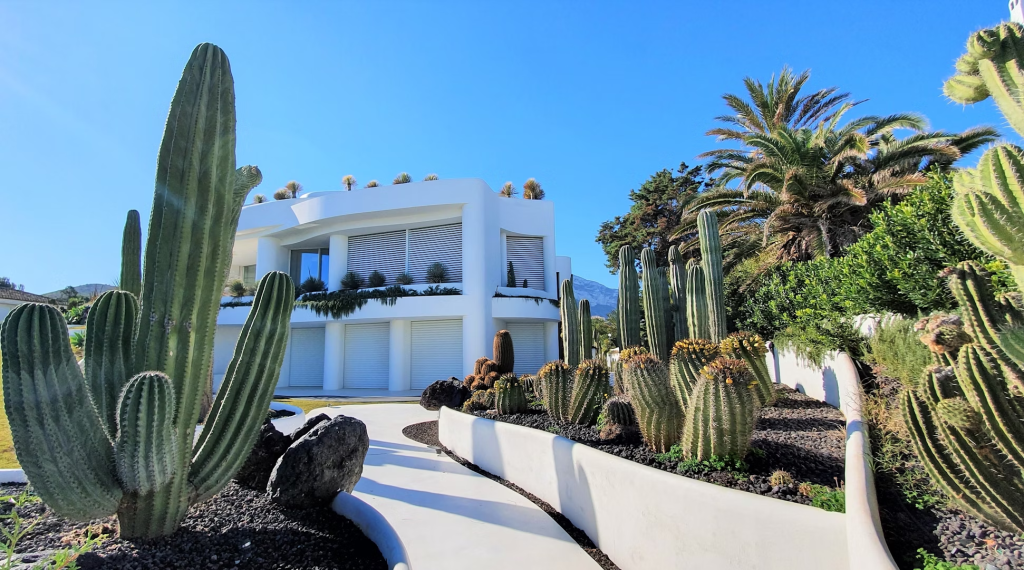
Natural elements such as trees, stones, plants, and water features can elevate the outdoor design in ways that go beyond surface beauty, providing comfort, sustainability, and a connection to the environment.
Check my blog for all the latest ideas.
The Role Of Trees In Outdoor Spaces
Natural Shade And Cool Atmosphere
One of the most noticeable benefits of adding trees to your outdoor space is providing natural shade. Large trees, such as oaks and maples, provide a pleasant coolness during hot months and contribute significantly to the overall ambience of the area. The presence of trees allows for more outdoor enjoyment, extending the use of your space even in the heat of summer.
- Trees act as natural air conditioners, cooling the space around them and reducing the need for artificial cooling systems, lowering energy costs.
- They provide privacy and serve as windbreaks, especially evergreen trees, which protect the space from chilly winds.
Aesthetic Value Of Trees
Beyond the functional benefits, trees can act as central visual focal points within the design of your garden. Their towering presence adds grandeur to any landscape. Strategically placed, trees can complement and balance design features like pathways, patios, or water elements, creating a serene, unified space.
The Beauty And Benefits Of Native Plants
Low-Maintenance And Eco-Friendly
Native plants are an excellent choice for enhancing your outdoor design. They are adapted to the local climate and require less water, chemicals, and maintenance than non-native species. This makes them a sustainable option for those looking to minimise their environmental impact.
- Native plants require less water, reducing water usage and creating a more sustainable outdoor space.
- They also provide habitat for local wildlife, such as birds, bees, and butterflies, fostering biodiversity within your backyard.
Adding Colour And Texture
Native plants, from flowering shrubs to ornamental grasses, can add various colours and textures to your outdoor space. These plants look beautiful and bring fragrance and seasonal interest, as many native species bloom at different times.
- Some plants, such as wildflowers, can create natural colour bursts throughout the space, while grasses can add movement and texture with the breeze.
- Many native species also have strong root systems that help with soil stability, making them ideal for areas prone to erosion.
Incorporating Natural Stones And Mulch
Creating Textural Variety
Stones and mulch are practical and add valuable texture to the landscape. Stones can create paths, borders, and even feature walls, while mulch can be spread around plants to help retain moisture and keep weeds at bay. The natural appearance of these elements brings an earthy, grounded feel to the design.
- Stones can be used to create dry creek beds, an attractive way to manage water runoff and add a rustic touch to the landscape.
- Wood mulch, such as bark or pine needles, provides an organic and natural look, helping to create a more cohesive, harmonious design.
Functionality And Practicality
Stones and mulch are also functional additions to outdoor design. They help with drainage, soil quality, and water retention, which can be particularly useful in challenging weather conditions. Stones can also enhance the garden’s structure by creating terraced gardens or separating different landscape zones.
Water Features And Their Importance
Natural Soundscapes
Water features, such as fountains, ponds, or streams, provide visual and auditory benefits to outdoor spaces. The gentle sound of flowing water creates a peaceful and relaxing atmosphere, ideal for spaces intended for relaxation or entertaining.
- The sound of water can mask background noise, such as traffic, making your outdoor space feel more secluded and tranquil.
- Water features also attract wildlife, such as birds, which can add to the space’s sensory richness.
Aesthetic Appeal Of Water Features
Water elements add a dynamic visual aspect to your outdoor design. The reflective surface of a pond or the water movement in a fountain creates a sense of fluidity, which contrasts beautifully with the solid textures of stones, plants, and wood.
Sustainable Practices In Outdoor Design
Using Natural Resources
Incorporating natural elements into your outdoor design also involves using locally sourced materials. By selecting materials such as local stone, timber, and plants, you reduce the carbon footprint of your landscaping project. These materials are often more durable and in harmony with the natural environment.
- Sourcing materials locally helps support the local economy while ensuring that your design elements are well-suited to the region’s climate.
- Using natural resources also contributes to a more sustainable outdoor design, reducing the need for manufactured products and promoting environmental conservation.
Energy Efficiency
Incorporating natural elements can significantly improve the energy efficiency of your outdoor space. For example, strategically placing trees and plants can provide shade and reduce the need for air conditioning in nearby indoor spaces. Natural materials such as stone and wood for pathways and patios can help regulate temperature by absorbing and slowly releasing heat.
Designing With Sustainability In Mind
Minimising Environmental Impact
Outdoor design that incorporates natural elements is inherently more sustainable. By reducing the need for artificial resources and opting for materials and plants that naturally thrive in your area, you create a space that blends seamlessly with the environment while minimising your ecological footprint.
- Choosing native plants reduces the need for fertilisers and pesticides, which can harm local ecosystems.
- Using long-lived materials like stone reduces the need for frequent replacements and maintenance, contributing to a more sustainable design.
Water Conservation
Water features and native plants can also contribute to water conservation. By incorporating drought-tolerant plants and utilising water-efficient irrigation systems, you can create a beautiful landscape that requires minimal water usage.
Incorporating Edible Elements Into The Outdoor Design
Growing Your Food
Growing your food is another exciting way to incorporate natural elements into your outdoor space. Edible landscaping, such as fruit trees, vegetable gardens, and herb patches, allows you to enjoy the beauty of nature while also providing fresh produce for your household.
- Edible landscaping adds both beauty and functionality and the opportunity to enjoy fresh, homegrown food from your garden.
- Plants such as berries, herbs, and fruit trees add variety and colour to the landscape and attract beneficial insects and pollinators.
Conclusion
Incorporating natural elements into your outdoor design is more than just a trend; it’s a practical, sustainable, and aesthetically pleasing way to create an outdoor space in harmony with the environment.
By utilising existing trees, native plants, natural stones, and water features, you can create a beautiful and functional space while reducing your environmental impact. Whether you’re looking to reduce your carbon footprint, attract wildlife, or simply create a peaceful retreat, natural elements can elevate your outdoor design in countless ways.
Frequently Asked Questions
How Can Trees Improve The Design Of My Outdoor Space?
Trees provide natural shade, helping to cool your outdoor space during hot months, making it more comfortable. They also add aesthetic value, acting as focal points in your landscape. Additionally, trees serve as privacy screens and windbreaks, enhancing your garden’s functionality and beauty.
What Are The Benefits Of Using Native Plants In Outdoor Design?
Native plants are well-suited to local climates and require less water and maintenance than non-native species. They promote biodiversity by attracting local wildlife, such as bees, birds, and butterflies. Furthermore, native plants contribute to the sustainability of your garden, reducing the need for chemical fertilisers and pesticides.
How Can I Incorporate Water Features Into My Outdoor Design?
Water features like ponds, fountains, or streams add visual and auditory appeal to your outdoor space. The sound of flowing water creates a peaceful atmosphere, ideal for relaxation. Water elements also attract wildlife and can serve as a stunning focal point, enhancing the overall design while promoting a sense of tranquillity.