
Carports are a practical and cost-effective solution for sheltering your vehicle, offering protection from the elements, and enhancing the overall aesthetic of your property. However, not all carports are created equal, and selecting the right one depends on several factors, including the layout of your space, your DIY skills, and the intended use of the carport. This article will cover the different types of carports and offer guidance on choosing the right one for your home.
If you’re looking for expert guidance or professional support, our website connects you with trusted carport builders who can bring your vision to life.
Types Of Carports
Before deciding on the best carport for your property, it is essential to understand the different types available. Each type has advantages and challenges, and the right one for you will depend on various factors.
1. Premade Carports
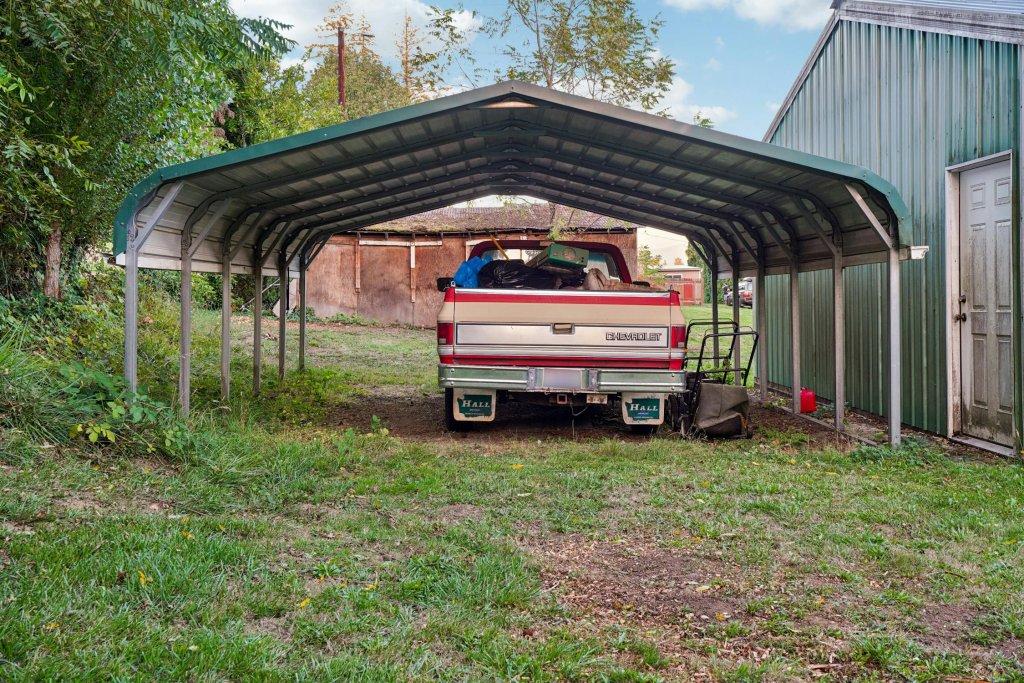
Premade carports are prefabricated structures with all the necessary components delivered as a kit. They are often the simplest and most affordable option, especially if you have limited experience with construction.
Advantages Of Premade Carports
- Quick Installation: One of the primary benefits of a premade carport is the ease of installation. These units come with detailed instructions; most homeowners can install them on a weekend with minimal tools.
- Cost-Effective: Since they are mass-produced, premade carports tend to be more affordable than custom-built options.
- No Need for Special Skills: You don’t need advanced carpentry or construction skills to assemble a premade carport.
Disadvantages Of Premade Carports
- Limited Aesthetic Appeal: Premade carports are often made from metal or other industrial materials, which may not blend seamlessly with your home’s design.
- Temporary Appearance: Many premade carports look more like temporary structures and may not add significant value to your property.
2. Standalone Carports
A standalone carport is an independent structure not attached to any building. This type of carport provides more flexibility in size, style, and placement.
Advantages Of Standalone Carports
- Customisable: A standalone carport can be built to fit your specific needs. You can choose the materials, size, and design, allowing for a more personalised appearance.
- Flexible Placement: Since standalone carports are not attached to a building, they can be placed anywhere on your property, making them ideal for properties with limited space.
- Permanent Solution: With proper construction, standalone carports are durable and provide long-term vehicle protection.
Disadvantages Of Standalone Carports
- More Involved Installation: Building a standalone carport requires more tools, materials, and time than a premade option. The process can be challenging for those with limited DIY experience.
- Requires Foundation: Standalone carports typically require a solid foundation, which may involve digging holes and setting posts in concrete. This adds complexity to the installation process.
3. Attached Carports
An attached carport is a structure attached to the side of your home. It can seamlessly integrate with your property, creating a covered area that leads directly to your door.
Advantages Of Attached Carports
- Seamless Integration: The most significant advantage of an attached carport is its cohesive appearance. It blends in with the design of your home, making it look like a natural extension of your property.
- Increased Protection: Since attached carports are connected to your home, they offer more protection from the elements. They also provide a sheltered walkway between your vehicle and your front door, which is convenient in rainy or windy weather.
- Added Value to Property: Attached carports, especially if they are well-constructed, can increase the value of your property due to their permanent nature and aesthetic appeal.
Disadvantages Of Attached Carports
- More Complex Installation: Installing an attached carport is more challenging than the other types, as it requires modifying your home’s exterior. If not done correctly, it can lead to leaks where the carport roof meets the wall.
- Structural Considerations: When attaching a carport to your home, it’s essential to ensure that the structure is stable and safe. This may require consulting with a professional or having a detailed building plan.
How To Choose The Right Carport For Your Space
Choosing the right carport for your property requires careful consideration of several factors, including your space’s layout, budget, and construction skills. Below are some key aspects to keep in mind when selecting a carport.
Consider Your Skill Level
The complexity of installing a carport can vary significantly depending on the type you choose. If you are not experienced with DIY construction projects, a premade carport is the best option. These carports are easy to assemble and require minimal tools.
If you have more construction experience, a standalone carport might be a good option, as it allows for more customisation. However, be prepared for a longer installation time and the need for more materials.
An attached carport is the most challenging option, requiring significant alterations to your home. If you are not confident in your DIY abilities, it’s advisable to consult a professional for this type of carport.
Assess Your Space And Layout
Another critical factor when choosing a carport is the available space on your property. A standalone carport is more flexible regarding placement, as it can be positioned anywhere on your property. This makes it ideal for homes with large or irregularly shaped lots.
If you have limited space or want to create a seamless transition between your home and carport, an attached carport may be the best choice. However, this requires enough space on the side of your home to accommodate the structure.
A premade carport can be a good option for smaller spaces or if you only need a basic shelter for one vehicle.
Think About Aesthetic Appeal
The look of the carport is an important consideration, especially if you want it to match the design of your home. An attached carport is the most cohesive in appearance, as it is integrated with your home’s exterior. A wood or metal standalone carport can also be designed to complement your home’s style.
Premade carports, on the other hand, may not always blend well with your home’s aesthetic. They tend to be more utilitarian in design and might not add much visual appeal to your property.
Prioritise Durability And Protection
Different carport types offer varying levels of protection from the elements. Attached carports offer the most shelter, providing a complete enclosure on at least one side. Standalone carports can also provide excellent protection, but the coverage may be less comprehensive.
Consider how much protection your vehicle needs. If you live in an area with harsh weather conditions, such as heavy rain or snow, you may choose an attached or standalone carport with a solid roof and walls for added durability.
Consider Your Budget
Carport prices vary widely depending on the type, materials, and size. Premade carports are generally the most affordable option, followed by standalone carports. Attached carports are the most expensive, requiring more labour and materials.
When planning your budget, remember to account for additional costs such as permits, tools, and any professional help you may need for installation.
Plan For Maintenance
All carports require some level of maintenance to keep them in good condition. Metal carports may need occasional rust treatment, while wooden carports may require resealing or repainting. When selecting your carport, consider how much time and effort you will invest in maintenance.
Conclusion
Choosing the correct type of carport for your space requires careful planning and consideration of several factors, including your budget, skill level, and the protection you need. Whether you opt for a premade, standalone, or attached carport, each type has unique benefits and challenges.
By evaluating your property, the carport’s purpose, and your construction abilities, you can make an informed decision that will provide long-lasting protection for your vehicle and enhance the overall appearance of your home.
Frequently Asked Questions
What Is The Most Cost-Effective Type Of Carport?
The most cost-effective type of carport is typically a premade carport. These units are mass-produced, which keeps the price lower, and they are relatively simple to install. Premade carports can be assembled quickly, making them an affordable option for homeowners looking for basic shelter without a high investment in construction materials or labour.
How Do I Ensure My Carport Is Properly Anchored?
Follow the manufacturer’s instructions carefully to properly anchor your carport. For premade and standalone carports, you’ll typically need to use ground anchors or masonry bolts to secure the structure to the ground or concrete. Ensuring the carport is level and anchored correctly is crucial to maintaining its stability and safety, particularly in strong winds or adverse weather conditions.
Can I Install An Attached Carport Myself?
Installing an attached carport can be challenging, especially for those with little DIY experience. It requires cutting into the side of your house and ensuring proper sealing to avoid leaks. While skilled DIYers can complete the installation, hiring a professional is recommended to ensure that it’s done correctly and safely.