
Home renovations are an exciting venture for homeowners in Melbourne, aiming to improve their living spaces. Whether you’re upgrading your kitchen, expanding your living space, or restoring a period home, renovations can significantly enhance your property’s value and functionality.
However, behind the glossy brochures and shiny before-and-after photos lies a range of hidden costs that many homeowners overlook. In this article, we will examine some of these hidden renovation costs and offer guidance on how to budget for them effectively.
For expert assistance with home maintenance and renovations in Melbourne, visit our website to help you navigate your project with confidence.
Unforeseen Structural Issues
Hidden Damage In Older Homes
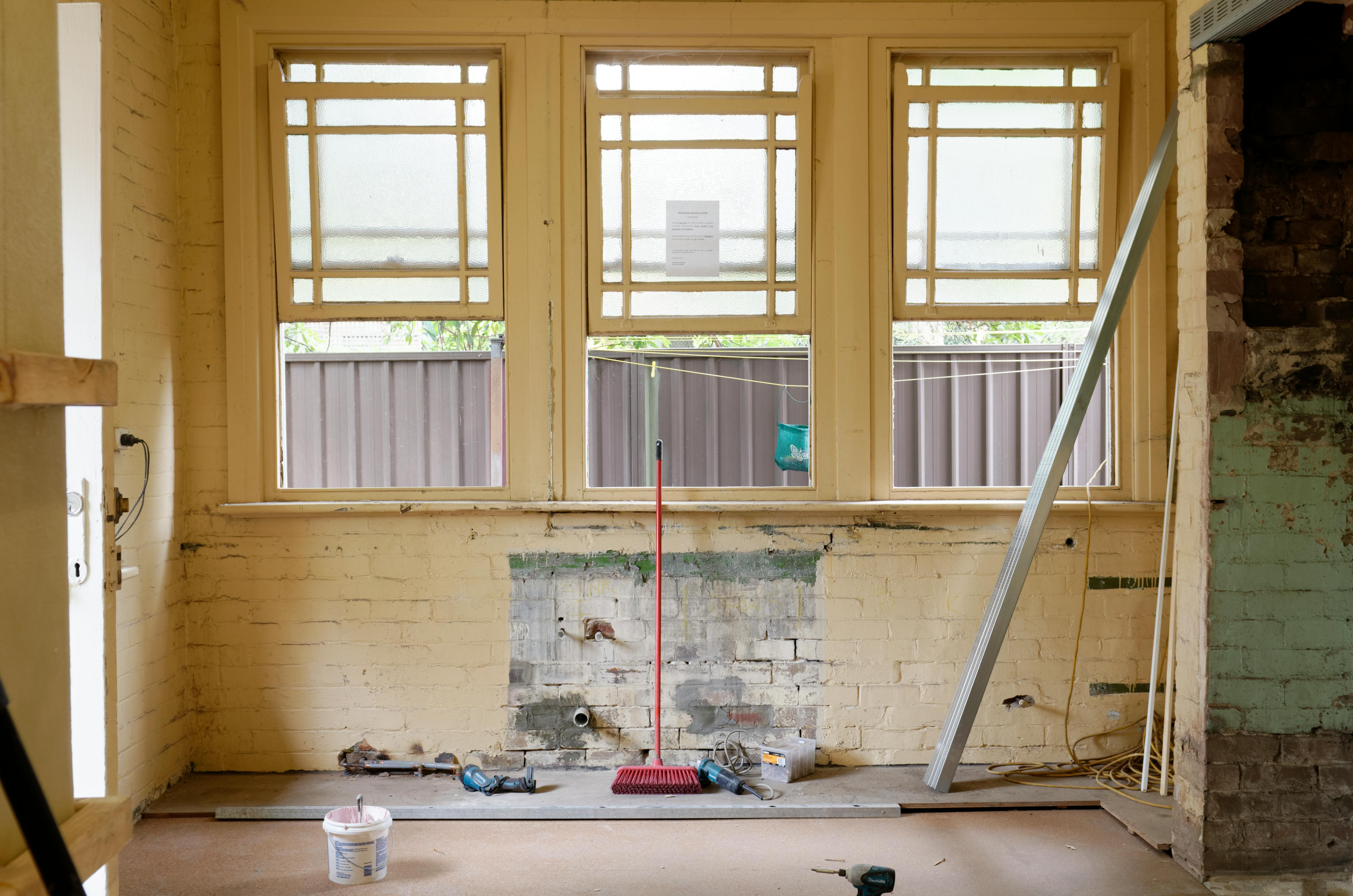
One of the first surprises many homeowners encounter during renovations is the discovery of hidden structural issues. This is particularly common in older Melbourne homes, where the foundations, plumbing, or wiring may need significant repairs. These structural issues can add thousands to your renovation budget.
- Foundation Problems: If your home is built on a poor foundation, issues such as cracking walls or uneven floors may surface during renovations. These require costly foundation repairs to fix.
- Damaged Roofs or Ceilings: Hidden leaks, old roof structures, or deteriorating ceiling beams may only become evident when work begins.
What to Do:
To avoid a major financial shock, always include a contingency budget of 10-20% of your total renovation costs to cover unexpected repairs.
Council Permits And Compliance Costs
Planning Permission Fees
In Melbourne, most major renovations require council permits. These permits ensure that your renovation complies with local zoning laws and building codes. The cost of acquiring these permits is often more than homeowners initially expect.
- Planning Permit Costs: Depending on the scale of your renovation, council permits can cost anywhere from $200 to several thousand dollars.
- Compliance with Regulations: You must comply with local building regulations, including heritage and environmental guidelines. If your renovation affects the external appearance of your property or its environmental footprint, further approvals may be required.
What to Do:
Check with your local council early in the planning stages to get an estimate of permit fees and the time it will take to acquire them.
Labour Costs
Skilled Tradespeople Can Be Expensive
Labour costs in Melbourne, particularly for skilled tradespeople like electricians, plumbers, and carpenters, can add up quickly. Renovations that involve electrical work or plumbing are often more expensive due to the specialist skills required.
- Hourly Rates: Expect to pay anywhere between $50 and $120 per hour for skilled trades, depending on the complexity of the work and the level of expertise required.
- Delays and Overtime: Labour costs can rise if the project is delayed or requires workers to do overtime. Always account for potential delays in your renovation timeline.
What to Do:
Get multiple quotes from different tradespeople and ensure that they are fully licensed and insured. It’s essential to have a clear contract that includes a project timeline and penalty clauses for delays.
Hidden Costs Of Materials
Quality Materials Come At A Price
Choosing the right materials is crucial for any renovation, but the cost of materials can quickly add up, especially if you choose high-end finishes or products.
- Luxury Finishes: Materials like marble countertops, custom cabinetry, or designer fixtures can dramatically increase your budget.
- Import Costs: Some materials, such as specialty tiles or fixtures, may need to be imported from overseas, adding shipping and customs fees to your costs.
What to Do:
Always budget for a margin of extra cost when choosing materials. A good tip is to pick mid-range materials that offer durability and aesthetic appeal without breaking the bank.
Hidden Utility Costs
Changes In Utility Infrastructure
During a renovation, changes to the home’s electrical or plumbing systems can increase utility costs. Moving walls or re-routing pipes can lead to the need for new wiring or larger water mains.
- Electricity: If you are upgrading your kitchen or adding new appliances, your home’s electricity system may need an upgrade. This can cost anywhere from a few hundred to several thousand dollars.
- Water and Gas: Similarly, larger bathrooms or kitchens may require a reconfiguration of water and gas lines, which can also add hidden costs to your renovation.
What to Do:
Before beginning any renovation, ensure you have a complete understanding of your home’s current utility systems. If needed, hire a professional to evaluate potential upgrades.
Unexpected Damage During The Renovation Process
The Impact Of Demolition
Many renovations require a demolition phase, during which old structures are removed to make room for new designs. During this process, you may uncover previously hidden issues such as:
- Asbestos: In older homes, the presence of asbestos can pose a serious health risk. Removing asbestos is not only hazardous but also requires specialist contractors.
- Mould and Water Damage: Behind walls or under flooring, hidden mould or water damage may require expensive treatment to prevent future health risks.
What to Do:
Consider hiring a pre-renovation inspector who can check for asbestos or mould issues before the demolition begins. This can save you from surprises during the renovation.
Cost Of Landscaping
Don’t Forget The Outdoor Area
Many people focus solely on the interior of their home, but outdoor areas are just as important. Landscaping costs can sneak up on you, especially if you plan to add new outdoor living spaces such as decks, patios, or pools.
- Landscaping Design: The cost of hiring a professional landscape designer can range from $1,000 to $5,000, depending on the complexity of the design.
- Hardscaping and Softscaping: Planting, paving, or building retaining walls can all add substantial costs to your renovation.
What to Do:
Incorporate landscaping costs into your renovation budget from the start. You may want to tackle landscaping in stages to avoid blowing your budget in one go.
Insurance And Warranty Costs
Increased Insurance Premiums
Renovations often require a change in your home insurance policy. Many insurance companies will increase premiums to account for the increased risk of working on a property.
- Construction Insurance: If your renovation is extensive, you may need temporary construction insurance to cover the property while work is being done.
- Post-Renovation Insurance: Once the renovation is complete, you may need to update your home insurance to reflect the increased value of your property.
What to Do:
Notify your insurance provider of your renovation plans well in advance. Make sure you have the necessary coverage to protect yourself against accidents during the renovation.
Unexpected Delays
Time Is Money
While it may not always be a direct financial cost, delays in the renovation process can add to your overall budget.
- Contractor Delays: Delays due to contractor availability or scheduling conflicts can result in extra costs.
- Material Shortages: Unexpected shortages in materials or shipping delays can push your project back and increase costs.
What to Do:
Be realistic about the timeline and include buffer time in your project schedule. Clear communication with your contractors and suppliers is essential to minimise delays.
Conclusion
Home renovations in Melbourne are exciting but can come with numerous hidden costs that may surprise even the most prepared homeowners. By understanding and planning for these potential expenses, you can avoid financial strain and ensure a smooth renovation process.
Always factor in unforeseen structural issues, council permits, labour costs, material expenses, and other hidden factors into your budget from the start. With the right preparation and expert advice, you can navigate these challenges and create the home of your dreams.
Frequently Asked Questions
What Are Some Common Hidden Costs During A Home Renovation In Melbourne?
Common hidden costs during home renovations in Melbourne include unforeseen structural repairs, council permits, and compliance costs. Older homes may require extensive repairs to plumbing, wiring, or foundations. Labour costs for skilled tradespeople and high-quality materials can add up quickly, so it’s important to have a contingency budget.
How Can I Avoid Unexpected Renovation Costs?
To avoid unexpected renovation costs, it’s essential to plan ahead with a detailed budget that includes a 10-20% contingency for unforeseen issues. Hire professionals to conduct inspections for structural damage or hidden problems before starting. Always get multiple quotes from contractors and keep a close eye on material prices to prevent overspending.
Are Council Permits And Regulations Expensive In Melbourne?
Yes, council permits and regulations in Melbourne can be quite costly, particularly for large-scale renovations. Planning permit fees can range from $200 to several thousand dollars, depending on the scope of the work. Additionally, compliance with local building codes and environmental guidelines may add to the cost and timeline of your project.