
Electrical systems are essential to the daily operations of businesses and homes alike, but when equipment failure occurs, it can lead to disastrous consequences.
From costly repairs to catastrophic fire risks, these issues highlight the importance of regular inspections and maintenance. One advanced method that has proven to be effective in preventing these risks is switchboard thermography.
By conducting infrared thermographic inspections, businesses can detect potential faults before they escalate into significant failures or dangerous fires. In this article, we’ll explore how switchboard thermography helps to prevent equipment failures and fire risks.
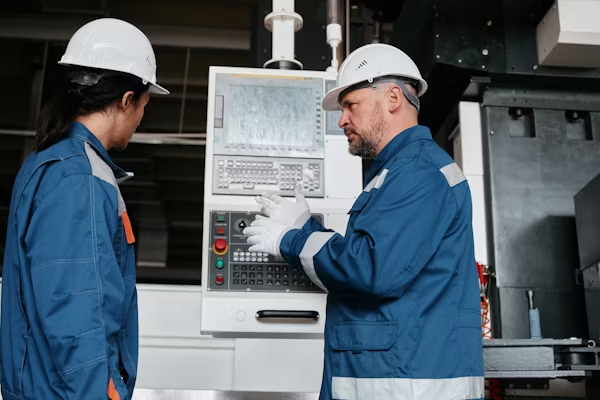
Click this site to learn more about the significance of thermography in electrical maintenance.
What is Switchboard Thermography?
Switchboard thermography is the process of using infrared thermographic cameras to detect temperature variations within electrical components, such as circuit breakers, cables, and switchboards.
These variations indicate abnormal conditions, such as loose connections, overloaded circuits, or deteriorating components, all of which could potentially lead to equipment failure or fires.
How Does Switchboard Thermography Work?
Switchboard thermography works by capturing infrared radiation emitted from electrical components. Infrared thermographic cameras detect this radiation, creating a thermal image that highlights any temperature anomalies.
- Thermal images: These images display temperature variations within the switchboard or other electrical equipment.
- Analysis: Experts analyse the images to identify areas of concern. Higher temperatures may indicate problems like excessive resistance or faulty connections, which can lead to equipment failure or fire hazards.
- Predictive maintenance: Thermography allows for predictive maintenance, where potential issues are identified before they cause significant damage.
Benefits of Using Thermography for Preventing Equipment Failures and Fire Risks
Switchboard thermography plays a crucial role in preventing equipment failures and reducing fire risks. Let’s look at some of the key benefits:
1. Early Detection of Faults
Switchboard thermography allows for the early detection of faults that are not visible to the naked eye. This could include:
- Loose connections: These can cause high resistance, leading to overheating.
- Overloaded circuits: These can become hot and pose a fire risk.
- Deteriorating components: Over time, components such as circuit breakers or fuses can wear out, making them vulnerable to failure.
By identifying these issues early, maintenance teams can address them before they lead to more severe problems, including fires or extensive downtime.
2. Reducing the Risk of Fires
Fires caused by electrical faults are a serious concern for many businesses. Overheating electrical components can ignite surrounding materials, leading to dangerous fires.
Thermography helps to pinpoint areas where excessive heat is being generated, thus reducing the risk of fires in the workplace. Regular thermographic inspections ensure that potential fire hazards are identified and dealt with promptly.
3. Improved Equipment Lifespan
Preventing equipment failure through regular thermographic inspections not only enhances safety but also extends the lifespan of electrical components. By identifying and rectifying faults early, businesses can prevent the need for costly replacements and reduce downtime.
4. Cost Savings
The cost of repairing or replacing electrical equipment that has failed can be substantial. By using thermography to identify problems before they lead to failures, businesses can save money on repairs and replacements. Furthermore, thermographic inspections are often less expensive than replacing an entire switchboard or system that has been damaged due to undetected faults.
How Often Should Thermographic Inspections Be Conducted?
The frequency of thermographic inspections depends on the size and complexity of the electrical system. For businesses with high electrical demand, inspections may need to be conducted quarterly. For smaller systems, annual inspections may suffice.
It is advisable to follow manufacturer recommendations or consult with a qualified professional to establish an appropriate inspection schedule based on your specific needs.
Common Problems Detected with Switchboard Thermography
Thermography is highly effective at detecting a range of electrical problems. Some of the most common issues identified include:
1. Loose Electrical Connections
Loose connections in switchboards or circuit breakers create increased resistance, which can cause overheating and eventual failure.
These types of faults can be difficult to detect through traditional inspection methods, but thermography quickly reveals any temperature variations, allowing for easy identification.
2. Overloaded Circuits
Overloaded circuits, often caused by excessive demand on electrical systems, can generate heat that could lead to fire risks. Thermography can help detect these temperature anomalies, allowing businesses to take corrective action before a failure occurs.
3. Faulty Circuit Breakers
A malfunctioning circuit breaker may not trip during a fault condition, leading to overheating or even fires. Thermography can highlight temperature discrepancies in circuit breakers, alerting maintenance teams to potential issues before they cause a failure.
4. Worn-out Components
Electrical components, such as wires or transformers, deteriorate over time. Thermography can identify these areas of wear by detecting unusual temperature patterns.
By catching these issues early, businesses can schedule repairs and replacements, extending the lifespan of their equipment.
Best Practices for Conducting Thermographic Inspections
To maximise the effectiveness of thermographic inspections, consider the following best practices:
1. Hire a Qualified Thermographer
A certified thermographer with experience in electrical systems is crucial for accurate inspection results. These professionals are trained to identify problem areas and understand the nuances of thermographic images.
2. Schedule Regular Inspections
As mentioned earlier, regular inspections are key to preventing equipment failures. Establish a maintenance schedule based on your system’s needs to ensure that inspections are conducted frequently enough to catch potential issues.
3. Follow-up with Corrective Actions
After identifying potential faults, it’s essential to take prompt corrective actions. Whether it’s tightening connections, replacing components, or adjusting load distribution, addressing issues early will reduce the risk of failure or fire.
Conclusion
Switchboard thermography is an invaluable tool for preventing equipment failures and fire risks. By detecting temperature anomalies early, businesses can identify and address potential issues before they escalate into major problems.
Regular thermographic inspections lead to improved safety, cost savings, and extended equipment lifespan, making them an essential part of any proactive electrical maintenance strategy.
Take the necessary steps to protect your business and ensure that your electrical systems remain safe and efficient.
Frequently Asked Questions
Can thermography detect all electrical problems?
While thermography is an excellent tool for identifying many types of electrical problems, it cannot detect every issue.
It is particularly effective for identifying temperature-related faults, such as loose connections, overloaded circuits, and faulty components. However, some problems may require additional diagnostic tools.
Is switchboard thermography expensive?
The cost of switchboard thermography depends on the size and complexity of the electrical system, as well as the frequency of inspections.
However, the cost of regular thermographic inspections is typically much lower than the cost of replacing or repairing equipment that has failed due to undetected issues.
Can thermography prevent all fire risks?
While thermography significantly reduces the risk of electrical fires by detecting overheating and faulty equipment, it does not eliminate all fire risks.
It is essential to maintain other fire prevention measures, such as proper wiring, fire suppression systems, and regular fire safety training.