
Choosing the right plastering techniques for your home is essential to achieving a flawless and durable finish. With a range of plaster types and methods available, selecting the right one can be a bit overwhelming.
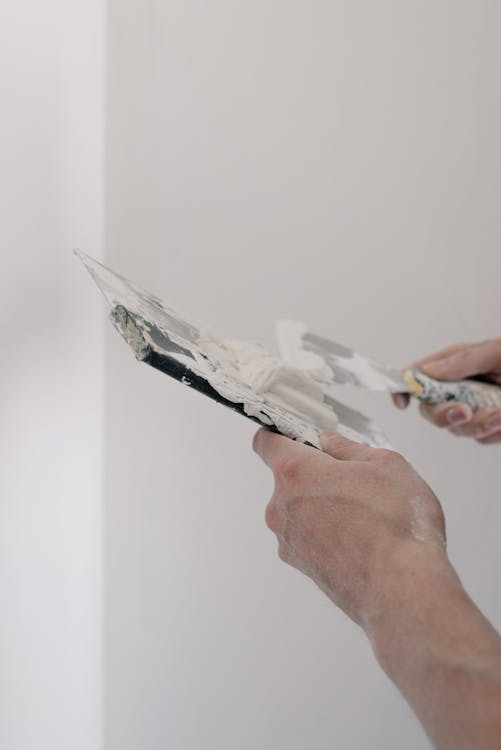
Whether you’re renovating, repairing, or just updating your home’s surfaces, this guide will help you understand how to choose the best plastering techniques for your project. For additional hints, keep reading as we explore the factors that should influence your decision.
Understanding Plastering Techniques
Plastering is an essential skill for home improvement, and choosing the right technique will make a significant difference in both the appearance and longevity of your walls and ceilings.
There are several methods to apply plaster, depending on the desired finish and the surface you’re working with.
What Are Plastering Techniques?
Plastering techniques refer to the various methods used to apply plaster to surfaces. These can range from traditional multi-layer plastering to modern skimming techniques.
Each method offers different results, from smooth finishes to more textured looks. Understanding these techniques is the first step in selecting the right one for your home.
Types of Plastering Techniques
Several plastering techniques can be used for different surfaces and finishes. Choosing the correct method is critical for both aesthetic appeal and practicality.
1. Traditional Plastering
Traditional plastering involves applying multiple layers of plaster to a wall or ceiling. It’s a more time-consuming method, but it’s perfect for creating a solid, durable finish.
This technique requires careful attention to detail as the layers need to be applied evenly to avoid cracks and unevenness.
Benefits of Traditional Plastering:
- Long-lasting finish
- Ideal for older buildings
- Allows for intricate texture and detailing
When to Use Traditional Plastering:
Traditional plastering is often used in period properties or areas that require a high level of durability. It is also an excellent choice for surfaces that need to be levelled or smoothed.
2. Skimming
Skimming is a popular plastering technique used to create a smooth finish on walls and ceilings. This method involves applying a thin layer of plaster over existing plaster or drywall. It’s particularly effective for freshening up old walls or smoothing out surfaces.
Benefits of Skimming:
- Quick and easy process
- Minimal mess
- Ideal for walls that are already relatively smooth
When to Use Skimming:
Skimming is perfect when you want to rejuvenate walls or ceilings without the need for a full plastering job. It is ideal for interior surfaces in good condition that just need a fresh coat of plaster.
3. Venetian Plastering
Venetian plaster is a decorative technique that involves applying several layers of plaster to create a polished, marble-like finish. This technique is often used in high-end interiors for a luxurious and sophisticated appearance.
Benefits of Venetian Plaster:
- Elegant and polished finish
- Durable and easy to maintain
- Suitable for creating statement walls
When to Use Venetian Plastering:
Venetian plaster is ideal for areas where you want to make a statement, such as feature walls, bathrooms, and living rooms. It’s also a great choice for spaces that require a high level of craftsmanship.
4. Lime Plastering
Lime plaster is an ancient method that’s still used today in conservation projects and eco-friendly homes. Lime plaster allows for breathability, which helps prevent issues like damp and mould.
Benefits of Lime Plaster:
- Environmentally friendly
- Breathable and moisture-regulating
- Great for historic buildings
When to Use Lime Plastering:
Lime plaster is best used in areas prone to dampness, such as basements or bathrooms. It’s also a good choice for older buildings where maintaining the building’s breathability is important.
Factors to Consider When Choosing Plastering Techniques
There are several factors to keep in mind when selecting the right plastering technique for your home. These include the type of surface, the finish you desire, and the intended use of the space.
Surface Condition
Before deciding on the plastering technique, consider the condition of the surface. If the surface is smooth and in good condition, skimming may be all that’s needed.
However, if the surface is rough or damaged, you may need to use a more traditional plastering method to ensure a solid base.
Finish Type
The type of finish you want is another essential factor. If you’re after a simple, smooth surface, skimming or traditional plastering is a good choice. However, if you want a more decorative or textured finish, Venetian plastering or other textured techniques would be more appropriate.
Usage of the Space
The intended use of the space plays a significant role in your decision. For instance, areas like bathrooms, kitchens, or basements will require a plaster that can withstand moisture and humidity.
Lime plaster or a high-quality modern plaster might be necessary for these spaces. For more decorative areas, such as living rooms, Venetian plaster may be the better choice.
Step-by-Step Guide to Choosing the Right Plastering Technique
Once you’ve understood the types of plastering techniques and factors to consider, follow this step-by-step guide to choose the best method for your home.
1. Assess the Surface Condition
Begin by evaluating the condition of the surface you wish to plaster. Is it rough or damaged? Are there cracks or holes? For smoother surfaces, skimming is a good choice. For rougher surfaces, you may need traditional plastering.
2. Decide on the Desired Finish
Think about the type of finish you want. If you’re looking for a polished, high-end look, Venetian plaster is an excellent option. If a smooth and clean look is more suitable, then skimming or traditional plastering may be more appropriate.
3. Consider the Environmental Conditions
Take into account the environment where the plaster will be applied. Bathrooms and kitchens require plaster that can withstand moisture, so choose a breathable plaster, such as lime plaster or modern damp-resistant plaster.
For dry areas, traditional plastering techniques or skimming may suffice.
4. Choose Based on Room Function
Different rooms in your home may have different plastering needs. For example, living rooms and bedrooms may only need a smooth finish, while bathrooms and kitchens need plaster that can handle humidity and moisture. Choose a technique based on the functional needs of each room.
5. Think About Longevity
Finally, think about the longevity of the plaster. If you’re looking for a long-lasting solution, traditional plastering or lime plastering is ideal. If the goal is a quick refresh, skimming may be more appropriate.
Common Mistakes to Avoid When Choosing Plastering Techniques
There are a few common mistakes people make when selecting plastering techniques that can lead to poor results. Avoid these pitfalls by following these tips.
Overlooking Surface Preparation
Surface preparation is one of the most important aspects of plastering. Ensure that the wall is clean, dry, and free from defects before you begin. Skipping this step can lead to poor adhesion and unsightly finishes.
Choosing the Wrong Plaster for the Room
Choosing the wrong plaster for a room can lead to issues like cracking or mould growth. Always select plaster based on the environmental conditions and intended use of the space.
Rushing the Application Process
Plastering is a meticulous task that requires patience. Don’t rush through the process. Applying plaster too thickly or unevenly can lead to imperfections that will be difficult to fix later.
Conclusion
Choosing the right plastering technique for your home is essential for achieving the desired finish and ensuring the longevity of your walls and ceilings.
By carefully considering the surface condition, desired finish, and intended room usage, you can make an informed decision that suits both your needs and the environment of the space.
Whether you choose traditional plastering, skimming, Venetian plaster, or lime plastering, each technique has its benefits, and with the right approach, your plastering project will be a success.
Frequently Asked Questions
Can I plaster over painted walls?
Yes, it is possible to plaster over painted walls, but you will need to prepare the surface. Clean and sand the painted surface to ensure the plaster adheres properly.
How long does it take for plaster to dry?
The drying time for plaster can vary depending on the type of plaster and the thickness of the application. Generally, plaster takes 24 to 48 hours to dry completely.
Is Venetian plaster suitable for outdoor use?
Venetian plaster is typically used for indoor spaces, as it may not withstand outdoor conditions. For outdoor use, a more durable and weather-resistant plaster should be considered.