
Soakwells play an essential role in managing stormwater runoff, preventing flooding, and protecting your property. However, like any drainage system, they can develop issues over time, especially if not properly maintained.
It’s important for homeowners to recognise common soakwell problems and address them promptly to maintain their functionality. This guide outlines the most common soakwell issues, their causes, and practical solutions to ensure optimal performance.
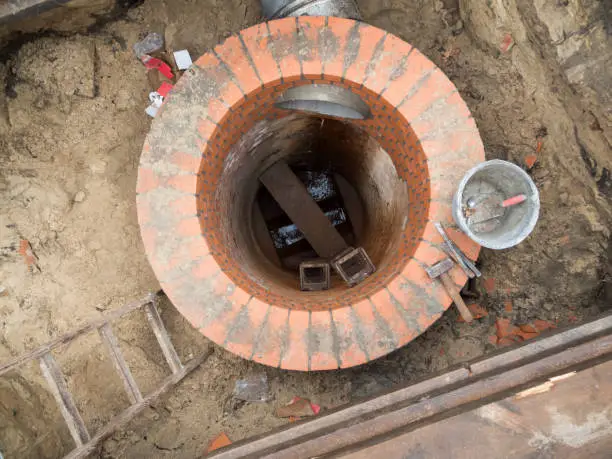
If you’ve recently installed a soakwell or are considering one for your property, it’s essential to know the potential problems that could arise and how to handle them effectively.
Common Soakwell Issues and Their Causes
1. Clogging and Blockages
Clogging is one of the most common issues that can affect a soakwell. Over time, debris such as leaves, dirt, and small branches can enter the system and obstruct the flow of water. This leads to reduced efficiency and can eventually cause the system to fail.
Causes of Clogging:
Debris Accumulation
Leaves, grass clippings, and dirt from surrounding areas can easily clog the inlet and outlet pipes of the soakwell.
Poor Maintenance
Soakwell systems that are not cleaned regularly accumulate debris, which obstructs the flow of water into and out of the soakwell.
External Factors
Nearby trees or plants can contribute to blockages when their roots or leaves invade the system.
2. Soil Compaction
Soil compaction is another common issue that can prevent the soakwell from functioning optimally. When soil around the soakwell becomes compacted, water is less able to drain through it, which reduces the soakwell’s ability to absorb water.
Causes of Soil Compaction:
Heavy Foot Traffic
High foot traffic around the soakwell can compress the soil, limiting its permeability.
Vehicle Movement
Cars or heavy machinery passing over the area can also compact the soil, making it harder for the soakwell to absorb water.
Natural Settling
Over time, the soil around the soakwell can naturally compact due to the weight of the surrounding earth.
3. Soakwell Overflows
An overflow occurs when the soakwell reaches its capacity and is unable to absorb any more water. This often happens during heavy rainfall or when the soakwell is undersized for the volume of runoff it needs to handle.
Causes of Overflow:
Excessive Rainfall
Heavy rainfall or prolonged storms can overwhelm the soakwell if the system is not designed to handle large volumes of water.
Under-Sized Soakwell
A soakwell that is too small for your property or water runoff needs is more likely to overflow.
Clogged or Blocked Drains
If the inlet or outlet pipes are clogged, water may not flow into the soakwell, causing an overflow around the foundation.
4. Structural Damage or Cracks
Over time, your soakwell may develop cracks or structural damage due to external pressure, soil movement, or extreme weather conditions. This can lead to water leakage and reduced efficiency of the soakwell.
Causes of Structural Damage:
Soil Movement
Natural shifting of the soil around the soakwell can cause stress on the structure, leading to cracks.
Weather Conditions
Extreme heat or freezing temperatures can cause materials like concrete to expand or contract, leading to cracks.
Improper Installation
If the soakwell wasn’t installed properly, it could be more susceptible to structural issues, such as cracking or bowing under pressure.
5. Inadequate Drainage
Sometimes, a soakwell may not drain water effectively, even if it is free of blockages. This could be a sign that the system is not adequately designed to handle the water runoff or that the surrounding soil is not conducive to proper drainage.
Causes of Inadequate Drainage:
Improper Sizing
If the soakwell is too small for the amount of water it needs to handle, it will not drain efficiently.
Poor Soil Conditions
If the soil around the soakwell has low permeability, it will absorb water too slowly, causing the system to back up.
Wrong Placement: If the soakwell is placed in an area with poor water flow or where water naturally pools, it may struggle to drain effectively.
How to Address Common Soakwell Issues
1. Cleaning and Removing Blockages
Regular cleaning and maintenance are essential to prevent blockages from affecting your soakwell’s performance. Cleaning the inlet and outlet pipes will ensure the smooth flow of water and help avoid clogs.
Steps to Clean the Soakwell:
Inspect the Inlet and Outlet
Check for visible debris, such as leaves, twigs, and dirt, blocking the pipes.
Use a Garden Hose
Flush out the pipes with a garden hose to remove smaller particles and debris that may be stuck inside.
Clear the Surrounding Area
Trim any plants or trees near the soakwell, as their roots can intrude into the system and cause blockages.
2. Preventing and Correcting Soil Compaction
Soil compaction can be mitigated by maintaining the area around the soakwell. Preventing heavy foot or vehicle traffic around the soakwell is essential, as is ensuring the soil remains loose and permeable.
Steps to Address Soil Compaction:
Aerate the Soil
Regularly aerate the soil around the soakwell to allow water to pass through more easily. This can be done using a garden fork or a specialised aerator tool.
Limit Traffic
Avoid walking or driving over the soakwell area to prevent further soil compaction.
Add Organic Material
Mixing organic materials such as mulch or compost into the soil around the soakwell can improve its structure and permeability.
3. Handling Soakwell Overflows
To address the risk of overflow, it is essential to ensure that your soakwell is appropriately sized for the water runoff it is expected to handle. If the soakwell is overwhelmed during a heavy rainfall event, it could cause flooding around your property.
Steps to Prevent Overflow:
Increase the Size of the Soakwell
If your soakwell is undersized, consider installing a larger unit or additional soakwells to handle the increased runoff.
Install an Overflow Pipe
Adding an overflow pipe or outlet can help redirect excess water away from the soakwell and prevent flooding around the foundation.
Check for Blockages
Make sure that the inlet and outlet pipes are free of debris to allow for maximum water flow into the soakwell.
4. Repairing Cracks and Structural Damage
If your soakwell develops cracks or other forms of structural damage, it is important to address these issues promptly to prevent further deterioration. Repairing structural damage will restore the soakwell’s functionality and ensure that it continues to perform effectively.
Steps to Repair Cracks:
Seal Small Cracks
For minor cracks, use a waterproof sealant to seal the damage. This will prevent water from leaking out of the soakwell.
Replace Damaged Parts
If the damage is extensive, such as large cracks or broken components, consider replacing the affected parts or the entire soakwell.
Professional Assistance
For significant structural damage, consult a professional to assess the situation and recommend repairs or a full replacement.
5. Improving Drainage Efficiency
If your soakwell is not draining properly, it could be due to improper sizing, poor soil conditions, or incorrect placement. You may need to make adjustments to the system to ensure better drainage.
Steps to Improve Drainage:
Increase the Soakwell’s Size
If the soakwell is too small for the amount of water runoff, upgrade to a larger system or install additional soakwells.
Ensure Proper Placement
Make sure that the soakwell is placed in an area where water naturally drains away from your property.
Improve Soil Permeability
If the surrounding soil is not draining water well, consider replacing the soil with a more permeable material or adding sand or gravel to improve drainage.
Conclusion
Soakwell systems are crucial for preventing flooding and protecting your property from water damage.
However, like any drainage system, they are susceptible to issues over time. By understanding common soakwell problems, such as clogging, soil compaction, overflow, structural damage, and inadequate drainage, you can take the necessary steps to address these issues promptly.
Regular maintenance, including cleaning, inspection, and timely repairs, will ensure that your soakwell continues to perform at its best, keeping your home safe and dry for years to come.
Frequently Asked Questions
How can I tell if my soakwell is clogged?
If your soakwell is clogged, you may notice pooling water around your property, particularly near the soakwell’s location. Water will drain slowly, and you may see debris near the inlet or outlet pipes.
Can I clean my soakwell myself?
Yes, cleaning your soakwell is a manageable task. You can clear visible debris from the pipes, flush the system with water, and aerate the surrounding soil. However, for more extensive repairs, you may need professional assistance.
How often should I inspect my soakwell?
It’s recommended to inspect your soakwell at least once or twice a year. However, you should inspect it more frequently during or after heavy rainfall to ensure that it is functioning properly and that there are no blockages or issues.