
Pests are a part of almost every environment where people live and work. Whether it is ants moving through kitchens, cockroaches hiding in dark spaces, rodents nesting in ceilings, mosquitoes breeding near stagnant water, or termites silently damaging timber structures, these issues can quickly disrupt comfort, hygiene, and safety.
Most people only notice pests when they become visible, but by that stage, the problem is often already established. This is where pest control specialists play an important role. They are trained to identify, manage, and prevent pest problems using structured methods that go beyond simple surface-level treatment.
This leads many homeowners and business owners to ask a simple but important question: What do pest control professionals do? The answer is more detailed than most people expect. Their work involves inspection, diagnosis, treatment, prevention planning, monitoring, and ongoing risk management. In many cases, they also educate property owners on how to reduce future pest activity.
This guide explains the full role of Pest Control Specialists, how they work, what methods they use, why their approach is more effective than DIY solutions, and how they help protect homes and businesses long-term.
What Do Pest Control Professionals Do
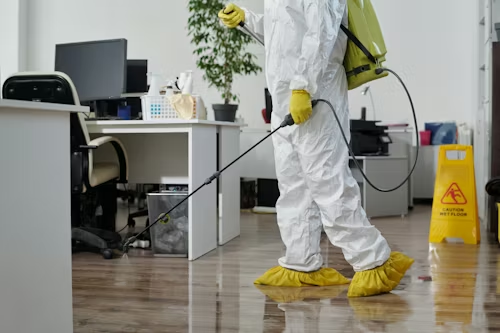
Pest control professionals are trained specialists who identify, manage, and prevent pest infestations in residential, commercial, and industrial environments.
Their work begins with inspection and identification and continues through treatment and prevention. They do not simply remove visible pests; they look for root causes such as food sources, moisture problems, structural gaps, nesting sites, and environmental conditions that allow pests to survive.
In simple terms, pest control professionals solve both the immediate pest problem and the underlying conditions that caused it.
Why Pest Control Professionals Are Needed
Many pest problems are difficult to solve without proper training or equipment. Pests often hide in walls, ceilings, drains, underground spaces, or hard-to-reach areas.
Professionals are needed because:
They understand pest behaviour and biology.
They can identify infestations accurately.
They use safe and regulated treatment methods.
They can access professional-grade tools and materials.
They know how to prevent recurrence.
Without expert help, many infestations return repeatedly.
The First Step Inspection and Assessment
Every professional pest control service begins with a detailed inspection.
Identifying Pest Type
Different pests require different strategies. Misidentifying a pest can lead to ineffective treatment.
Locating Activity Areas
Professionals look for nests, droppings, trails, damage, and movement patterns.
Checking Entry Points
Cracks, vents, pipes, doors, and structural gaps are carefully inspected.
Assessing Environmental Conditions
Moisture, food sources, and clutter are evaluated.
This stage determines the entire treatment plan.
Pest Identification and Behaviour Analysis
One of the most important roles of pest control specialists is correct identification.
Understanding Pest Species
For example, different types of ants behave differently, and cockroach species vary in hiding and breeding patterns.
Studying Movement Patterns
Professionals observe where pests travel and how they access food or shelter.
Identifying Nesting Areas
Finding the source is more important than killing visible pests.
Correct identification ensures effective treatment.
Creating a Treatment Plan
After inspection, professionals design a tailored pest control plan.
Customized Strategy
No two infestations are the same, so treatment must be adapted.
Selecting Methods
Options may include baiting systems, sprays, traps, dust treatments, or exclusion techniques.
Prioritizing Safety
Treatment plans consider humans, pets, and environmental safety.
A well-designed plan increases success rates significantly.
Safe and Targeted Pest Treatment
Pest control specialists use controlled and targeted methods.
Chemical Applications
Used carefully in specific areas where pests are active.
Bait Systems
Pests carry bait back to nests, helping eliminate colonies.
Trapping Methods
Common for rodents and monitoring insect activity.
Crack and Crevice Treatments
Targets hidden pest locations rather than open surfaces.
Professional treatment focuses on precision, not excessive application.
Rodent Control and Management
Rodent control is one of the most common specialist tasks.
Inspection of Entry Points
Professionals identify how rodents enter buildings.
Trapping and Removal
Strategic placement of traps helps reduce populations.
Exclusion Work
Sealing holes prevents re-entry.
Sanitation Advice
Removing food sources is essential for long-term control.
Rodent management requires both removal and prevention.
Insect Control and Treatment Methods
Insect control covers a wide range of pests.
Cockroaches
Require targeted treatments in kitchens, bathrooms, and hidden spaces.
Ants
Often require colony-focused baiting systems.
Fleas and Bed Bugs
Need thorough treatment across multiple environments.
Spiders and Flying Insects
Usually controlled through perimeter and habitat management.
Each insect type requires a different approach.
Termite Inspection and Management
Termites are among the most destructive pests in buildings.
Detection
Professionals look for mud tubes, hollow wood, and moisture areas.
Monitoring Systems
Baiting stations or detection systems may be installed.
Structural Protection
Treatment may involve barriers or targeted applications.
Termite management is highly specialised and ongoing.
Preventive Pest Control Strategies
Prevention is a major part of professional pest control.
Sealing Entry Points
Blocking access reduces future infestations.
Reducing Moisture
Fixing leaks and improving ventilation helps prevent pests.
Waste Management Advice
Proper disposal reduces attraction.
Landscaping Recommendations
Vegetation near walls may be trimmed or adjusted.
Prevention reduces long-term pest pressure.
Monitoring and Follow-Up Visits
Pest control is often not a one-time process.
Checking Treatment Results
Professionals assess whether pests have been eliminated.
Tracking Activity Levels
Monitoring helps detect recurring issues.
Adjusting Strategies
If pests return, methods are modified.
Follow-up ensures lasting success.
Use of Professional Equipment and Tools
Specialists use equipment not typically available to the public.
Detection Tools
Used to identify hidden pest activity.
Application Equipment
Ensures precise treatment delivery.
Monitoring Devices
Help track ongoing pest presence.
Professional tools improve accuracy and effectiveness.
Safety Practices in Pest Control Work
Safety is a major responsibility for pest control professionals.
Protecting Occupants
Treatments are planned to minimise exposure risks.
Environmental Considerations
Methods are selected to reduce unnecessary impact.
Proper Handling of Materials
Chemicals and tools are used according to regulations.
Safety is always a priority in professional work.
Education and Advice for Property Owners
Pest control professionals often educate clients.
Maintenance Tips
Advice on cleaning, sealing, and storage.
Prevention Guidance
How to reduce future pest risks.
Early Warning Signs
Helping homeowners identify problems early.
Education is part of long-term pest prevention.
Commercial Pest Control Services
Businesses require specialised pest control approaches.
Food Safety Compliance
Restaurants and food facilities need strict hygiene standards.
Regular Monitoring
Scheduled inspections are common.
Discreet Services
Minimal disruption to operations is important.
Commercial pest control protects reputation and safety.
Residential Pest Control Services
Homes require tailored solutions.
Family Safety
Treatments are chosen carefully for household environments.
Comfort and Hygiene
Pests affect daily living conditions.
Seasonal Protection
Homes often experience seasonal pest changes.
Residential services focus on long-term comfort.
Why DIY Pest Control Often Fails
DIY methods may provide temporary relief but often do not solve root causes.
Limited Access
Hidden nests are often missed.
Incorrect Identification
Wrong treatment leads to poor results.
Incomplete Coverage
Only visible pests are treated.
Professional expertise addresses deeper issues.
The Importance of Long-Term Pest Management
Pest control is not always a one-time fix.
Continuous Risk Factors
Pests can return if conditions remain favourable.
Regular Maintenance
Ongoing care improves results.
Environmental Changes
Weather and surroundings affect pest behaviour.
Long-term management ensures stability.
How Pest Control Professionals Diagnose Problems
Diagnosis is a key skill.
Pattern Recognition
Professionals identify infestation trends.
Environmental Assessment
Conditions supporting pests are evaluated.
Evidence Collection
Droppings, damage, and sightings are analysed.
Accurate diagnosis leads to effective treatment.
Cost Factors in Pest Control Services
Pricing depends on several factors.
Type of pest
Severity of infestation
Property size
Number of visits required
Type of treatment used
Specialised services like termite control often cost more due to complexity.
Choosing the Right Pest Control Specialist
Selecting a qualified professional is important.
Experience and Knowledge
Skilled technicians understand pest behaviour.
Clear Communication
Good professionals explain problems and solutions clearly.
Safe Methods
Proper techniques ensure safety and effectiveness.
Trust and expertise matter more than price alone.
Frequently Asked Questions
What do pest control professionals do first?
They begin with inspection and pest identification.
Do pest control specialists only spray chemicals?
No, they use multiple methods, including traps, baits, monitoring, and prevention strategies.
Are pest control services necessary for every home?
Not always, but they are highly recommended for recurring or serious infestations.
Conclusion
If you are asking what pest control professionals do, the answer goes far beyond simply removing insects or rodents. They inspect properties, identify pests, analyse behaviour, design treatment plans, apply targeted solutions, and help prevent future infestations.
Their work combines science, strategy, and practical experience to protect homes and businesses from ongoing pest risks.
Effective pest control is not just about reacting to problems. It is about understanding them, addressing their causes, and building long-term protection that keeps environments safe, clean, and comfortable.