
Many people think about pest control only after ants invade the kitchen, rodents are heard in the ceiling, cockroaches appear at night, or termites are discovered in timber structures. By the time pests become visible, the problem may already be growing behind walls, under floors, or around hidden areas of the property. That is why prevention is often more valuable than treatment.
Because of this, homeowners and business owners often ask an important question: What is the best pest prevention? The best pest prevention is a combination of cleanliness, moisture control, sealing entry points, routine inspections, outdoor maintenance, and professional pest prevention services when needed. No single method works alone as effectively as a complete prevention plan.
Pests look for food, water, shelter, and easy access. When those needs are removed, properties become far less attractive to insects and rodents. Prevention not only reduces infestations but also saves money, stress, and repair costs over time.
This guide explains the meaning of Pest Prevention Services, the most effective prevention strategies, common mistakes people make, and how to build a strong, long-term defence against pests.
What Is the Best Pest Prevention
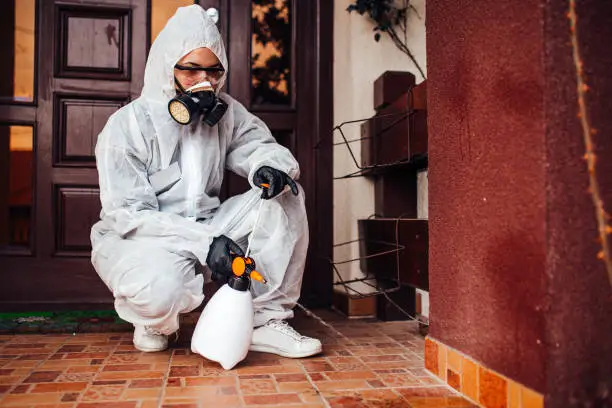
The best pest prevention is a proactive system that removes the conditions pests need to survive.
This means keeping the property clean, reducing moisture, sealing gaps and cracks, managing waste properly, maintaining gardens and outdoor areas, and monitoring for early warning signs. When combined with scheduled professional inspections, these methods create powerful long-term protection.
The strongest pest prevention is consistency. Small daily habits often prevent large future infestations.
What Pest Prevention Services Mean
Pest prevention services are professional programs designed to stop pest problems before they become serious infestations.
Instead of only treating active pests, prevention services focus on inspections, monitoring, risk reduction, exclusion work, sanitation guidance, and seasonal treatments where appropriate. The goal is to keep pests from entering, nesting, feeding, and reproducing.
These services are commonly used by homeowners, rental properties, offices, restaurants, warehouses, and commercial facilities.
Why Prevention Is Better Than Treatment
Waiting until pests appear often creates larger problems.
Lower Costs
Preventing pests is usually cheaper than repairing termite damage or handling major infestations.
Less Stress
It is easier to maintain a pest-free property than deal with emergency outbreaks.
Better Hygiene
Prevention reduces contamination risks from rodents, cockroaches, and flies.
Long-Term Comfort
A protected property is easier to enjoy year-round.
Prevention focuses on peace of mind rather than reaction.
Understanding What Attracts Pests
To prevent pests, it helps to know why they arrive.
Food Sources
Crumbs, open food, pet bowls, garbage bins, and spills attract insects and rodents.
Water Sources
Leaks, damp areas, blocked drains, and standing water attract many pests.
Shelter
Clutter, overgrown gardens, storage piles, and roof voids provide hiding places.
Entry Points
Cracks, gaps, broken screens, and unsealed doors let pests inside.
Removing these conditions dramatically reduces pest pressure.
Cleanliness as the First Line of Defence
Good cleaning habits are among the most effective prevention tools.
Kitchen Protection
Wipe counters, sweep floors, wash dishes promptly, and store food in sealed containers.
Waste Management
Use bins with lids and empty rubbish regularly.
Pantry Care
Check stored food and clean shelves often.
Hidden Areas
Clean behind appliances, under sinks, and inside cupboards.
Clean homes offer fewer rewards for pests.
Moisture Control Prevents Many Infestations
Water is essential for many pests.
Repair Leaks Quickly
Fix dripping taps, leaking pipes, and roof issues.
Improve Ventilation
Bathrooms, laundries, and kitchens need airflow to reduce humidity.
Remove Standing Water
Empty trays, buckets, and blocked gutters.
Dry Damp Spaces
Basements, storage rooms, and garages should stay dry.
A dry property is much less inviting to pests.
Sealing Entry Points Stops Invasions
One of the smartest prevention methods is keeping pests outside.
Doors and Windows
Install weather seals and repair damaged screens.
Cracks and Gaps
Seal wall openings, floor gaps, and spaces around pipes.
Roof Access Points
Check tiles, vents, and roof edges.
Garage Doors
Ensure doors close properly and tightly.
Blocking access prevents many common infestations before they start.
Outdoor Pest Prevention Matters Too
The outside of a property strongly affects indoor pest activity.
Garden Maintenance
Trim shrubs and branches touching the building.
Remove Debris
Wood piles, leaf litter, and clutter create hiding spots.
Lawn Care
Maintain the grass and remove excess moisture areas.
Bin Placement
Keep waste bins sealed and positioned away from doors where possible.
Outdoor care creates a buffer zone against pests.
Best Pest Prevention for Ants
Ants often enter homes searching for food and water.
Clean Food Residue
Sweet spills and crumbs attract foraging ants.
Seal Cracks
Ants use tiny openings to enter.
Store Food Properly
Use sealed jars and containers.
Remove Trails
Clean surfaces to disrupt scent trails.
Consistency is key with ant prevention.
Best Pest Prevention for Cockroaches
Cockroaches thrive where food and moisture exist.
Keep Kitchens Dry and Clean
Wipe grease, crumbs, and spills quickly.
Fix Plumbing Issues
Leaking sinks and pipes attract roaches.
Reduce Cardboard Clutter
Cockroaches often hide in stored boxes.
Seal Gaps Behind Appliances
Warm, hidden spaces are common nesting zones.
Roach prevention depends heavily on sanitation.
Best Pest Prevention for Rodents
Rodents are persistent and opportunistic.
Seal Openings
Even small gaps can allow mice entry.
Store Food Securely
Keep pantry foods and pet food sealed.
Keep Garages Organised
Reduce nesting materials and clutter.
Inspect Roof and Ceiling Areas
Rodents often travel through roof spaces.
Early prevention avoids breeding populations.
Best Pest Prevention for Termites
Termites require special attention because of the risk of property damage.
Reduce Wood-to-Soil Contact
Keep timber away from soil where possible.
Manage Moisture
Leaking areas and damp soil attract termites.
Store Firewood Away From the House
Wood stacks near walls increase risk.
Schedule Inspections
Regular termite inspections are highly valuable.
Termite prevention is one of the smartest property investments.
Best Pest Prevention for Mosquitoes
Mosquitoes often begin outdoors.
Remove Standing Water
Buckets, trays, gutters, and containers can breed mosquitoes.
Use Screens
Keep windows and doors screened.
Maintain Gardens
Dense wet vegetation may harbour mosquitoes.
Improve Drainage
Water should not collect around the property.
Source reduction is the best mosquito prevention.
The Role of Professional Pest Prevention Services
Professionals provide expertise beyond DIY methods.
Detailed Inspections
Experts identify risks homeowners may miss.
Monitoring Systems
Stations and traps help detect activity early.
Customized Plans
Every property has different risks based on location and structure.
Scheduled Protection
Routine service keeps prevention consistent.
Professional support is especially helpful for recurring or high-risk issues.
How Often Should Prevention Services Be Scheduled
Frequency depends on property type and environment.
Annual Inspections
Useful for many residential homes.
Quarterly Service
Common for ongoing protection.
Seasonal Visits
Helpful when pests rise during warm or wet months.
High-Risk Properties
Older homes or wooded locations may need more frequent checks.
Regular attention usually works better than occasional reaction.
Pest Prevention for Rental Properties
Rental homes and units benefit greatly from prevention.
Protects Tenants
Comfort and hygiene improve tenant satisfaction.
Reduces Complaints
Preventive service lowers emergency callouts.
Protects Property Value
Damage risks are reduced.
Supports Maintenance Planning
Inspections identify developing issues early.
Pest Prevention for Businesses
Businesses often depend on prevention.
Restaurants
Food safety and reputation are essential.
Offices
Staff comfort matters.
Warehouses
Stored goods need protection.
Retail Spaces
Customers expect clean environments.
Preventive pest control supports operations and brand image.
Common Mistakes That Ruin Prevention Efforts
Avoiding mistakes is important.
Waiting for Visible Pests
Many pests stay hidden until populations grow.
Ignoring Small Leaks
Moisture attracts insects and rodents.
Leaving Food Out Overnight
This invites nighttime pests.
Skipping Outdoor Maintenance
Exterior neglect often leads to interior problems.
Using Random Treatments Without Prevention
Products alone rarely solve root causes.
Signs Prevention Needs Improvement
Watch for these warnings.
Frequent Ant Trails
Often means access points remain open.
Droppings or Gnaw Marks
Signs of rodent activity.
Nighttime Insect Sightings
May indicate hidden nesting.
Repeated Seasonal Problems
Suggest that prevention systems need upgrading.
Early correction keeps problems manageable.
Why Consistency Matters Most
The best prevention is not a one-day task.
Daily Habits
Cleaning and food storage matter every day.
Monthly Checks
Inspect seals, leaks, and storage areas regularly.
Seasonal Maintenance
Prepare before warmer or wetter seasons.
Long-Term Mindset
Small, consistent efforts outperform occasional big reactions.
Consistency turns prevention into protection.
Frequently Asked Questions
What is the best pest prevention?
The best pest prevention combines cleanliness, moisture control, sealing entry points, inspections, and regular maintenance.
Are pest prevention services worth it?
Yes, they often prevent costly infestations and property damage.
Can I prevent pests without chemicals?
Yes, many effective methods involve sanitation, repairs, exclusion, and monitoring.
Conclusion
If you are asking what the best pest prevention is, the most accurate answer is a complete and consistent strategy rather than a single product or quick fix. Cleanliness, moisture control, sealed entry points, outdoor maintenance, and regular inspections create the strongest defence against pests.
Pest prevention services add professional expertise, early detection, and scheduled protection that many homes and businesses benefit from. They help stop small risks from turning into expensive infestations.
In the end, the best pest prevention is proactive care. When a property is maintained properly and monitored regularly, pests have fewer reasons to enter and far fewer chances to stay.