
Australia’s love for utility vehicles runs deep, especially across industries where durability, mobility, and storage matter every day. Whether it’s used on construction sites, mining operations, agricultural properties, or mobile trade services, the ute has become one of the most practical work vehicles on Australian roads. Yet while many people focus on the vehicle itself, the true functionality often comes from the structure mounted behind the cab — the ute body.
Modern ute bodies are no longer simple trays designed to carry tools and supplies. They have evolved into highly specialised systems built to improve organisation, safety, and efficiency in demanding work environments. Businesses now rely on tailored ute configurations to support mobile workshops, heavy-duty transport, and field operations that require reliable equipment storage and accessibility.
Ute Work Bodies are designed to transform a standard utility vehicle into a purpose-built work solution. Instead of relying on generic storage or open trays, these systems provide structured compartments, reinforced materials, weather protection, and practical layouts that suit different industries.
From electricians and plumbers to mining contractors and emergency response teams, the right ute body can significantly improve daily operations and reduce downtime.
As Australian industries continue to demand more from work vehicles, understanding what a ute body is — and how different configurations serve different purposes — has become increasingly important for businesses investing in reliable fleet solutions.
Understanding the Core Purpose of a Ute Body
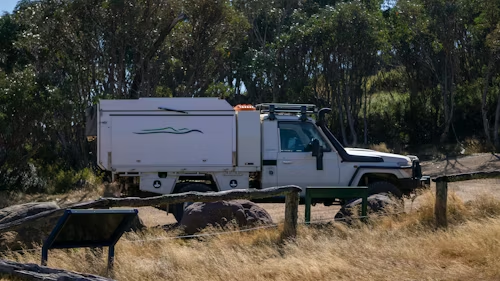
A ute body is the rear structure installed onto a utility vehicle chassis to create a functional workspace or storage platform. While some vehicles come with factory-fitted trays or tubs, commercial ute bodies are usually custom-built to support professional workloads and specialised operational requirements.
The primary purpose of a ute body is to maximise utility. Instead of leaving tools, equipment, and materials exposed in an open tray, businesses can use enclosed or modular systems that improve organisation and security. This creates a more efficient workflow because workers can quickly access the equipment they need without unnecessary searching or unloading.
In Australia, ute bodies are commonly manufactured from aluminium or steel. Aluminium options are popular because they offer corrosion resistance and lighter overall weight, which helps maintain fuel efficiency and payload capacity. Steel ute bodies, meanwhile, are often preferred for heavy-duty applications where extreme durability is essential.
A well-designed ute body also improves workplace safety. Proper storage systems prevent loose equipment from shifting during transport, reducing risks for both drivers and workers. Many modern setups also include ladder racks, lockable compartments, underbody toolboxes, and integrated lighting systems that enhance operational efficiency on-site.
Beyond storage, ute bodies can be customised to support industry-specific tasks. Some vehicles operate as mobile workshops with built-in benches and power systems, while others are configured for transporting machinery, chemicals, or specialised tools. The adaptability of these systems is one of the main reasons ute bodies are widely used across Australian industries.
Types of Ute Bodies Used Across Australian Industries
Service Bodies for Trades and Mobile Technicians
Service bodies are among the most common ute body configurations in Australia. These setups are designed for tradespeople who need organised storage and fast access to tools throughout the workday.
Unlike standard trays, service bodies typically feature enclosed side compartments, internal shelving, lockable doors, and integrated storage systems. Electricians, plumbers, HVAC technicians, and telecommunications contractors often rely on these configurations because they allow equipment to remain secure and protected from weather conditions.
Mobile technicians benefit greatly from the efficiency of service bodies. Instead of carrying separate toolboxes or making repeated trips to depots, workers can operate directly from the vehicle. This improves productivity while also reducing vehicle clutter and equipment damage.
Canopy Ute Bodies for Secure Equipment Storage
Canopy-style ute bodies are popular for industries that require weatherproof and secure transport. These bodies feature enclosed canopies mounted over trays or integrated storage systems, creating a fully covered rear workspace.
Agricultural businesses frequently use canopy bodies to transport tools, spare parts, and sensitive equipment across rural properties. Mining and remote-area contractors also depend on enclosed systems to protect valuable gear from dust, rain, and harsh environmental conditions.
Modern canopy systems often include ventilation, roof racks, internal lighting, and modular drawer systems. Some advanced configurations even support refrigeration units, battery systems, and solar charging capabilities for off-grid work environments.
Heavy-Duty Tray Bodies for Transport and Hauling
Heavy-duty tray bodies remain a practical solution for industries requiring flexible transport capacity. Unlike enclosed systems, tray bodies provide open access for transporting oversized materials, machinery, and construction supplies.
Construction companies commonly use reinforced trays for carrying timber, pipes, pallets, and heavy equipment. Many trays include removable drop sides, tie-down points, and headboards to improve load management and safety.
Although tray bodies appear simpler than enclosed setups, they still require careful engineering. Weight distribution, load stability, and structural reinforcement all play major roles in ensuring long-term reliability under demanding working conditions.
Custom Fleet Solutions for Specialised Operations
Some industries require completely customised ute body systems tailored to unique operational needs. Emergency response units, utility providers, and mining operations often invest in highly specialised vehicle setups.
These custom bodies may include integrated power systems, compressor units, hydraulic equipment, communication systems, or hazardous material storage. In some cases, vehicles are designed as mobile command centres or field maintenance workshops.
Fleet customisation allows organisations to standardise equipment layouts across multiple vehicles, improving worker familiarity and operational consistency. This can reduce training time while improving efficiency and safety across large teams.
Materials and Engineering Behind Modern Ute Bodies
The durability of a ute body depends heavily on its construction materials and engineering design. Australian conditions can be particularly demanding, with exposure to extreme heat, rough terrain, heavy rainfall, and corrosive coastal environments.
Aluminium has become one of the preferred materials for modern ute bodies because it offers an excellent balance between strength and weight reduction. Lightweight construction allows vehicles to carry heavier payloads without exceeding legal weight limits. Aluminium also resists rust, making it highly suitable for long-term outdoor use.
Steel remains important for applications requiring exceptional structural strength. Heavy-duty industries such as mining and infrastructure often rely on steel bodies because they withstand repeated impacts and demanding workloads more effectively. Galvanised coatings and protective finishes are commonly used to improve corrosion resistance.
Engineering design is equally important. Poorly designed ute bodies can create uneven weight distribution, reduced handling stability, and excessive wear on suspension systems. Professional manufacturers carefully calculate load placement, chassis compatibility, and reinforcement points to ensure safe operation.
Modern manufacturing techniques also allow greater flexibility in customisation. Laser cutting, CNC fabrication, and modular assembly systems help manufacturers produce highly precise components while maintaining consistent quality standards. This has improved both reliability and design efficiency across the industry.
Another growing focus is aerodynamics and fuel efficiency. Some enclosed canopy systems are designed to minimise drag, helping reduce fuel consumption during highway travel. For businesses operating large fleets, even small efficiency improvements can create substantial long-term cost savings.
Why Businesses Invest in Professional Ute Body Solutions
Improved Operational Efficiency
A professionally designed ute body streamlines daily workflows by ensuring tools and equipment are properly organised. Workers spend less time searching for items, unloading unnecessary gear, or making additional trips to retrieve supplies.
Efficient storage systems also reduce downtime between jobs. When every tool has a designated place, workers can operate more effectively under tight schedules and demanding workloads.
Better Equipment Protection
Australian work environments can be extremely harsh on tools and machinery. Exposure to rain, dust, sunlight, and rough transport conditions can significantly reduce equipment lifespan.
Enclosed and reinforced ute bodies protect against environmental damage while also improving security against theft. Lockable compartments and weather-sealed storage systems help businesses protect valuable assets and reduce replacement costs.
Enhanced Workplace Safety
Safety remains a major concern across Australian industries. Loose tools and improperly secured loads can create serious hazards during transport or on-site operations.
Professional ute bodies include secure mounting systems, load restraints, and structured storage layouts that reduce movement during travel. Many configurations also support safer manual handling by improving accessibility and reducing awkward lifting positions.
Stronger Business Presentation
A professionally fitted ute body can also improve company image. Well-maintained fleet vehicles with organised storage and branded canopies present a more professional appearance to clients and customers.
For service-based industries, the work vehicle often becomes part of the business identity. Clean, functional, and purpose-built vehicle setups help reinforce reliability and professionalism in competitive markets.
Choosing the Right Ute Body for Specific Industry Needs
Selecting the right ute body requires careful consideration of operational requirements, vehicle compatibility, and long-term business goals. Different industries prioritise different features depending on the type of work being performed.
Tradespeople may prioritise storage accessibility and compartment organisation, while construction businesses often focus on payload capacity and tray durability. Mining operations may require heavy-duty reinforcement and advanced safety systems suited for remote conditions.
Vehicle size and chassis compatibility also influence body selection. Overloading or installing poorly matched systems can affect handling, braking performance, and compliance with Australian road regulations.
Future scalability should also be considered. Businesses planning fleet expansion may benefit from modular systems that allow standardisation across multiple vehicles. This simplifies maintenance, improves operational consistency, and streamlines equipment management.
Professional consultation is often recommended when investing in custom ute bodies. Experienced manufacturers can assess operational needs, recommend suitable materials, and ensure compliance with Australian safety and engineering standards.
The Future of Ute Body Design in Australia
As Australian industries evolve, ute body design continues advancing alongside new technologies and operational demands. Fleet operators increasingly seek solutions that combine durability, sustainability, and digital integration.
Electric utility vehicles are beginning to influence body design considerations. Lightweight materials and energy-efficient systems are becoming more important as manufacturers adapt to evolving vehicle platforms and environmental goals.
Smart storage systems are also emerging across commercial fleets. GPS tracking, remote locking systems, internal monitoring sensors, and integrated power management are becoming more common in advanced vehicle setups.
Sustainability is another growing priority. Manufacturers are exploring recyclable materials, energy-efficient fabrication processes, and modular designs that extend product lifespan while reducing environmental impact.
Automation and mobile connectivity may further reshape the industry in the coming years. Vehicles equipped with remote diagnostics, inventory management systems, and connected fleet technologies could significantly improve operational efficiency for businesses managing large mobile workforces.
Frequently Asked Questions
What is the difference between a ute tray and a ute body?
A ute tray is generally an open flat platform used for carrying materials and equipment, while a ute body refers to a more specialised structure that may include enclosed storage compartments, canopies, shelving systems, or custom-built workspaces. Ute bodies are typically designed for professional or industry-specific applications.
Are aluminium ute bodies better than steel ute bodies?
Both materials offer advantages depending on the intended application. Aluminium ute bodies are lighter, corrosion-resistant, and fuel-efficient, making them suitable for many commercial uses. Steel ute bodies provide greater structural strength and durability for heavy-duty industries such as mining and construction.
Can a ute body be customised for specific industries?
Yes. Many manufacturers design custom ute bodies tailored to industry requirements. These can include specialised storage systems, refrigeration units, electrical setups, tool organisation systems, hydraulic equipment, and mobile workshop configurations suited for various trades and industrial sectors.
Final Thoughts
A ute body is far more than a simple vehicle attachment. It serves as a mobile workspace, storage solution, transport platform, and operational tool that directly supports productivity across Australian industries. From enclosed service bodies and canopy systems to heavy-duty trays and fully customised fleet solutions, modern ute bodies are designed to meet highly specific business requirements.
As industries continue demanding greater efficiency, safety, and flexibility, professionally engineered ute body systems will remain essential for businesses relying on mobile operations. Choosing the right configuration can improve workflow, protect equipment, support workplace safety, and strengthen long-term operational performance in even the harshest Australian conditions.