
A bathroom renovation is one of the most effective ways to improve the comfort, functionality, and value of a home. Whether updating an outdated space, increasing storage, improving accessibility, or creating a modern design, a well-planned bathroom renovation can significantly enhance everyday living.
In Melbourne, homeowners continue to invest in bathroom upgrades because they not only improve aesthetics but also contribute to better property appeal and long-term value.
However, while bathroom renovations can deliver impressive results, they also present challenges that require careful planning and decision-making. Bathrooms are complex spaces that involve plumbing, waterproofing, electrical work, ventilation, tiling, and fixture installation. Even small mistakes during the renovation process can lead to expensive repairs, reduced functionality, and long-term maintenance issues.
One of the most important questions homeowners should ask before beginning a project is, “What should I avoid when renovating a bathroom?” Understanding common renovation mistakes can help homeowners make informed decisions and prevent problems that may affect both the quality and durability of the finished space.
By working with experienced Bathroom Renovators Melbourne and approaching the project strategically, homeowners can achieve successful and lasting results.
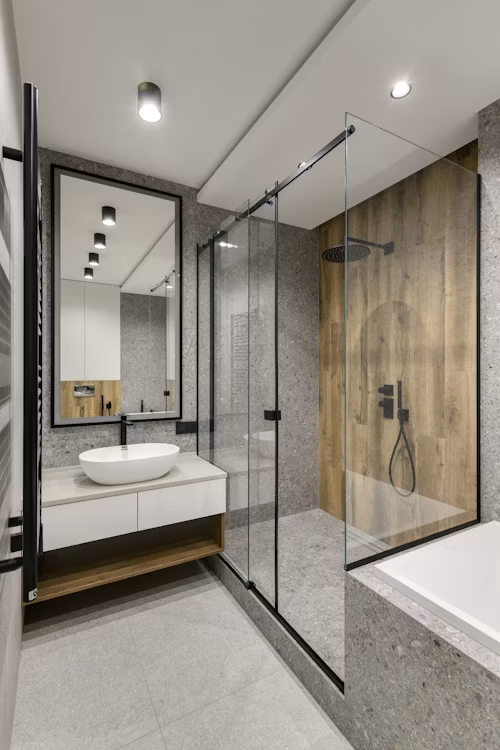
Understanding Why Bathroom Renovations Require Careful Planning
Bathroom renovations are often more complex than many homeowners initially realise. Unlike other rooms, bathrooms contain multiple systems that must work together seamlessly, including plumbing, drainage, waterproofing, electrical connections, and ventilation.
Because these systems are hidden behind walls, beneath floors, and within ceilings, mistakes can be difficult and expensive to correct after construction is complete. Proper planning is therefore one of the most important factors contributing to renovation success.
Understanding the complexity of bathroom renovations helps explain why preparation is so essential.
Why Bathrooms Are Different From Other Rooms
Most rooms in a home primarily focus on aesthetics and functionality. Bathrooms, however, must also manage moisture, humidity, drainage, and safety considerations on a daily basis.
The constant presence of water creates unique challenges that require specialised materials and installation techniques. Without proper planning, these conditions can lead to leaks, mould growth, and structural damage.
The technical nature of bathroom construction makes professional expertise particularly valuable.
The Long-Term Impact of Renovation Decisions
Every decision made during a bathroom renovation can influence the performance of the space for many years. Choices regarding layout, materials, fixtures, and workmanship all contribute to long-term durability and usability.
Poor decisions may not become apparent immediately, but can lead to costly repairs over time. Taking a thoughtful approach helps minimise risks and maximise the return on investment.
Long-term thinking is one of the keys to successful bathroom renovations.
Avoiding Poor Planning Before Construction Begins
One of the most common mistakes homeowners make is rushing into construction without a clear plan. Excitement about the renovation process can sometimes lead to decisions being made too quickly.
A detailed plan helps establish goals, define budgets, and identify potential challenges before work begins. This preparation creates a strong foundation for the entire project.
Effective planning often determines whether a renovation runs smoothly or encounters significant problems.
Starting Without a Defined Budget
A realistic budget is essential for any renovation project. Without clear financial guidelines, homeowners may struggle to prioritise spending or may encounter unexpected costs that strain resources.
Establishing a budget early helps guide material selections, fixture choices, and design decisions. It also provides a framework for evaluating quotes and managing expenses throughout the project.
Financial clarity contributes significantly to renovation success.
Failing to Establish Clear Goals
Every bathroom renovation should begin with a clear understanding of what the homeowner hopes to achieve. Some people prioritise aesthetics, while others focus on functionality, storage, accessibility, or resale value.
Without defined goals, decision-making can become inconsistent and lead to unsatisfactory results. A clear vision helps ensure that every aspect of the renovation supports the desired outcome.
Purpose-driven planning improves overall project direction.
Avoiding Layout Mistakes That Reduce Functionality
The layout of a bathroom has a major impact on how comfortable and practical the space will be. Even attractive bathrooms can become frustrating to use if the layout is poorly planned.
Functionality should always take precedence over appearance when making layout decisions. A beautiful design is far more effective when it also supports daily use.
Careful space planning helps avoid common layout-related mistakes.
Overcrowding the Bathroom
Many homeowners attempt to include too many features within a limited space. While large vanities, freestanding bathtubs, and oversized showers may look appealing, they can reduce usability if the room becomes overcrowded.
A bathroom should provide adequate space for movement and accessibility. Maintaining a balanced layout ensures that the room remains comfortable and practical.
Prioritising functionality often leads to better overall results.
Ignoring Traffic Flow
Bathrooms should allow users to move naturally between different areas. Poor placement of fixtures can create awkward pathways and reduce convenience.
Designing with traffic flow in mind helps improve usability and enhances the overall experience of using the space. Efficient movement is a fundamental principle of good bathroom design.
Thoughtful layouts contribute significantly to comfort.
Avoiding Cheap Materials That Sacrifice Durability
One of the biggest mistakes homeowners make is choosing materials based solely on price. While controlling costs is important, selecting low-quality products can lead to premature wear, damage, and increased maintenance expenses.
Bathrooms are exposed to moisture and heavy daily use, making durability a critical consideration. Investing in quality materials often delivers better long-term value.
Material selection should balance affordability with performance.
Choosing Low-Quality Tiles
Tiles play a major role in protecting bathroom surfaces from moisture while contributing to overall aesthetics. Inferior products may crack, stain, or deteriorate more quickly than higher-quality alternatives.
Durable tiles provide better resistance to water, cleaning products, and everyday wear. Their longevity often justifies the additional investment.
Quality flooring and wall finishes contribute to long-term reliability.
Selecting Inexpensive Fixtures Without Research
Bathroom fixtures vary considerably in quality and performance. While budget-friendly options may seem attractive initially, they may require replacement sooner than premium products.
Researching brands, warranties, and product reviews helps homeowners make more informed choices. Reliable fixtures often provide better value over the life of the bathroom.
Durability should be a priority when evaluating products.
Avoiding Waterproofing Mistakes
Waterproofing is one of the most critical aspects of any bathroom renovation. Unfortunately, it is also one of the areas where mistakes can have the most serious consequences.
Improper waterproofing can lead to water leaks, mould growth, structural damage, and expensive repairs. Ensuring this work is completed correctly is essential for long-term performance.
Waterproofing should never be treated as an optional upgrade.
Underestimating the Importance of Waterproofing
Some homeowners focus heavily on visible design elements while overlooking waterproofing systems hidden beneath tiles and finishes. However, these systems are responsible for protecting the home from moisture damage.
Effective waterproofing creates a barrier that prevents water from penetrating walls and floors. This protection is essential in maintaining structural integrity.
The quality of waterproofing often determines the long-term success of the renovation.
Hiring Inexperienced Contractors
Waterproofing requires specialised knowledge and compliance with industry standards. Inexperienced installers may fail to apply materials correctly or overlook critical details.
Working with qualified professionals helps ensure that waterproofing systems perform as intended. Proper installation reduces the risk of future issues and costly repairs.
Professional expertise is particularly important in moisture-prone environments.
Avoiding Poor Ventilation Choices
Ventilation is frequently overlooked during bathroom renovations, yet it plays a crucial role in maintaining a healthy and comfortable environment. Without adequate airflow, moisture can accumulate and create ongoing problems.
Effective ventilation helps manage humidity levels and supports the longevity of bathroom finishes. It also contributes to better indoor air quality.
Proper ventilation should be considered a priority rather than an afterthought.
Ignoring Moisture Control
Bathrooms generate significant amounts of steam and humidity. Without proper ventilation, moisture can accumulate on surfaces and encourage mould growth.
Effective extraction systems help remove excess moisture and maintain healthier conditions. This protection extends the life of finishes and fixtures.
Controlling humidity is essential for long-term maintenance.
Choosing an Undersized Exhaust Fan
Not all ventilation systems provide the same level of performance. An exhaust fan that is too small for the space may struggle to remove moisture effectively.
Selecting a fan that matches the size and usage requirements of the bathroom improves efficiency and performance. Professional advice can help homeowners make appropriate choices.
Adequate ventilation capacity is crucial for success.
Avoiding Insufficient Storage Planning
Storage is one of the most important aspects of bathroom functionality. A beautiful bathroom can quickly become cluttered if there is insufficient space for toiletries, cleaning products, and personal items.
Planning storage carefully helps maintain organisation and contributes to a cleaner appearance. Modern bathrooms often incorporate creative storage solutions that maximise available space.
Good storage planning enhances both aesthetics and usability.
Focusing Only on Visual Design
Some homeowners prioritise visual appeal without considering practical storage requirements. While minimalist designs can look impressive, they may become inconvenient if everyday items have nowhere to be stored.
Balancing aesthetics with functionality creates more practical and enjoyable spaces. Storage should be integrated into the design from the beginning.
Functionality supports long-term satisfaction.
Missing Opportunities for Hidden Storage
Modern bathroom design offers numerous opportunities for concealed storage. Recessed niches, mirrored cabinets, floating vanities, and custom joinery can provide additional space without increasing visual clutter.
These solutions improve organisation while maintaining a streamlined appearance. Hidden storage contributes significantly to modern bathroom functionality.
Efficient use of space enhances usability.
Avoiding DIY Mistakes on Complex Renovations
Many homeowners attempt to reduce costs by completing parts of the renovation themselves. While some cosmetic tasks may be suitable for DIY projects, certain aspects of bathroom renovations require professional expertise.
Plumbing, waterproofing, and electrical work involve technical requirements and regulatory standards. Mistakes in these areas can have serious consequences.
Understanding the limitations of DIY work helps protect both safety and investment.
Taking On Tasks Beyond Your Expertise
Complex renovation tasks often require specialised tools, training, and experience. Attempting these tasks without sufficient knowledge can lead to poor workmanship and costly repairs.
Recognising when professional assistance is needed is an important part of successful project management. Expertise contributes significantly to quality outcomes.
Knowing your limitations helps avoid unnecessary risks.
Overlooking Building Regulations
Bathroom renovations must comply with various building codes and regulations. DIY work may inadvertently violate these requirements, creating legal and safety concerns.
Professional renovators understand regulatory obligations and ensure compliance throughout the project. This knowledge provides valuable peace of mind.
Compliance is an essential aspect of renovation planning.
Why Working With Bathroom Renovators Melbourne Makes a Difference
Professional bathroom renovators bring experience, technical knowledge, and project management skills that help minimise risks and improve outcomes. Their expertise covers every stage of the renovation process.
From planning and design to installation and finishing work, professional guidance contributes to smoother project execution and higher-quality results.
Working with experienced renovators often proves to be a worthwhile investment.
Access to Industry Knowledge
Experienced renovators understand which materials, layouts, and construction methods perform best in different situations. Their recommendations help homeowners make informed decisions.
This expertise reduces uncertainty and improves confidence throughout the renovation process. Professional guidance often leads to better outcomes.
Knowledge is one of the most valuable resources available during a renovation.
Better Quality and Long-Term Performance
Professional workmanship contributes directly to durability, functionality, and visual appeal. Proper installation techniques help ensure that the bathroom performs well for many years.
Quality construction reduces maintenance requirements and enhances overall value. These long-term benefits often outweigh the initial investment.
Professional execution supports lasting success.
Frequently Asked Questions
What should you avoid when renovating a bathroom?
Homeowners should avoid poor planning, inadequate waterproofing, low-quality materials, insufficient ventilation, overcrowded layouts, and attempting complex work without professional expertise.
Why is waterproofing so important in bathroom renovations?
Waterproofing protects walls, floors, and structural elements from moisture damage. Poor waterproofing can lead to leaks, mould growth, and expensive repairs.
Is it worth hiring professional bathroom renovators?
Yes. Professional bathroom renovators provide expertise, quality workmanship, regulatory compliance, and project management support that help ensure successful and durable renovation outcomes.
Conclusion
Bathroom renovations offer significant opportunities to improve comfort, functionality, and property value, but success depends heavily on avoiding common mistakes. Poor planning, inadequate waterproofing, low-quality materials, insufficient storage, and weak ventilation are among the issues that can undermine even the most attractive designs. Understanding these risks allows homeowners to make better decisions throughout the renovation process.
For those considering bathroom renovations in Melbourne, working with experienced bathroom renovators provides valuable support and expertise. Their knowledge helps prevent costly errors while ensuring that the finished space is both practical and visually appealing. By focusing on careful planning, quality materials, and professional workmanship, homeowners can create bathrooms that deliver lasting performance, comfort, and value for many years to come.