
Termites are a very problematic bug that can do extensive damage to your home. Even though they are small, these insects may do a lot of damage to a building without anyone seeing them until it’s too late. To avoid a termite infestation, it is essential to know where to look for them.
In this article, we’ll go over the most typical habitats for termites, how to spot an infestation, and preventative measures to take. If you own a home, rent an apartment, or are just plain curious about termites, read on to find out all about these pests and the measures you may take to keep them away.
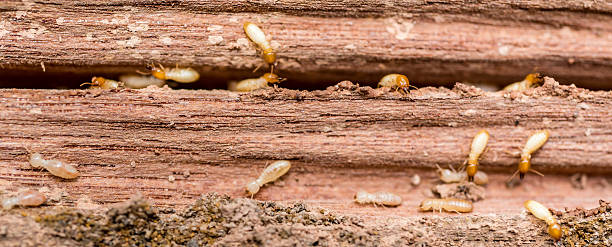
Where Are You Most Likely To Find Termites?
Termites are most likely to be found in regions that have high levels of moisture and a readily available source of wood or cellulose material, both of which are required for the construction of their nests and consumption by the termites. The following is a list of some of the most typical locations where termites are discovered:
Foundations And Basements
Termites are frequently discovered in the foundation or the basement since these locations are easy entry points for them. Cracks in the foundation or walls provide termites access, and once inside, they’ll work their way up into the house’s timber framing, where they can feast on the cellulose it contains. Once a colony is established, the resulting structural damage can be devastating.
Caulk or sealant can be used to fill in any gaps or holes in the foundation walls that could be entered by termites. Insect pests like termites can be kept out of your house by doing this. Termites love damp places, therefore it’s important to keep the basement well-ventilated to avoid condensation.
Avoid storing any wood or cellulose-based materials in the basement since they may attract unwanted pests. Raise them off the floor and away from the walls if you must store them. It is also crucial to check for signs of termite activity in your basement and foundation regularly. If you think you have a pest problem, it’s best to consult an exterminator.
Attics And Crawl Spaces
Termites flourish in humid environments, such as those found in attics and crawl spaces. Termites can enter through holes or crevices in the building’s structure, such as the foundation, walls, or roof. Once inside, they will eat anything made of wood, including the rafters and joists.
Termite infestations can be avoided by ensuring adequate ventilation in attics and crawl spaces and keeping humidity levels there low. The addition of vents or fans can accomplish this. In addition, any leaks or water damage should be repaired without delay so that these areas can remain dry.
Termites are a serious threat in these places, so it’s important to keep an eye on any wooden constructions you might have. The presence of termites can be inferred from the presence of wood damage or a hollowing noise. A pest control expert should be called in for an inspection and recommendations for treatment.
Finally, maintain these places clean of trash and debris to prevent termites. Wooden or cellulose-based objects, in particular, should be kept in airtight plastic containers, well off the ground. Taking these precautions will lessen the risk of a termite infestation in your home’s attic or crawl area.
Woodpiles And Debris
Termites might be drawn to woodpiles and other waste around a house. Wet and rotting wood is a magnet for termites, and if you keep firewood close to your house, the pests may find a way in. How to keep termites out of your house by managing woodpiles and other debris:
- Store firewood and other wood materials at least 20 feet away from your home. This will reduce the chances of termites finding their way into your home.
- Elevate the woodpile off the ground and stack the wood neatly. This will reduce the moisture content and prevent the buildup of humidity, which can attract termites.
- Remove any decaying wood or other debris from your yard. Termites can also be attracted to other cellulose materials such as cardboard boxes and newspapers.
- Regularly inspect the woodpile for signs of termite activity. Look for mud tubes or small holes in the wood, which can be a sign of a termite infestation.
By taking these measures, you can lessen the likelihood of termites invading your home through stacks of wood and other garbage. Get in touch with a pest control specialist for advice on how to deal with a termite infestation.
Trees And Landscaping
Termites may enter a home through roots in trees or other plant material. Termites are drawn to damp wood, so if you have any trees or shrubs near your house, they could serve as a gateway for the pests. Here are some ways to keep termites from using your trees and landscape to invade your home:
- Plant trees and shrubs at least 20 feet away from your home. This will reduce the chances of termites finding their way into your home.
- Avoid planting trees that are prone to termite infestations, such as pine trees or eucalyptus.
- Regularly inspect trees and shrubs for signs of termite activity. Look for mud tubes or small holes in the wood, which can be a sign of a termite infestation.
- Avoid using wood mulch near your home’s foundation. Wood mulch can attract termites and provide an easy entry point into your home.
If you take care to plant trees and maintain landscaping in this way, you will reduce the risk of termites invading your home. Get in touch with a pest control specialist for advice on how to deal with a termite infestation.
Plumbing And Drainage
Termites might be attracted to faulty plumbing or drainage. As termites thrive in damp conditions, problems with plumbing or drainage that lead to an overabundance of moisture might invite pests into your home. To stop termites from entering your property through the pipes and drains, follow these steps:
- Fix any leaks promptly. Leaky pipes or faucets can create a moist environment that is attractive to termites. Make sure to fix any leaks as soon as you notice them.
- Ensure proper drainage. Make sure that gutters and downspouts are properly directed away from your home’s foundation to prevent excess moisture buildup.
- Check for any standing water. Standing water in your yard can create a breeding ground for termites. Make sure to regularly check your yard for any areas with standing water and address the issue promptly.
- Consider a dehumidifier. If you have a basement or crawl space, consider using a dehumidifier to reduce the moisture levels in these areas.
If you take care of your plumbing and drainage like this, you can reduce the risk of termites invading your home. Get in touch with a pest control specialist for advice on how to deal with a termite infestation.
Conclusion
Termites are a major nuisance for homeowners because they eat wood and cause expensive repairs. Homeowners can take preventative actions against termite infestations, however, if they are aware of the points of entry and the conditions that attract termites. You may lessen the likelihood of a termite infestation by doing routine inspections, maintaining the plumbing and drainage, and removing or relocating wood piles, debris, and trees from around the house.
Get in touch with a pest control specialist for advice on how to deal with a termite infestation. You can help keep termites from wreaking havoc in your house by following these precautions.
To know more, hop to the termite zone map victoria.