
Double glazing has long been a popular choice for homeowners due to its ability to improve energy efficiency, reduce noise pollution, and enhance security. However, like any product, double glazing is not immune to problems. Over time, various issues may arise that can affect its performance and appearance.
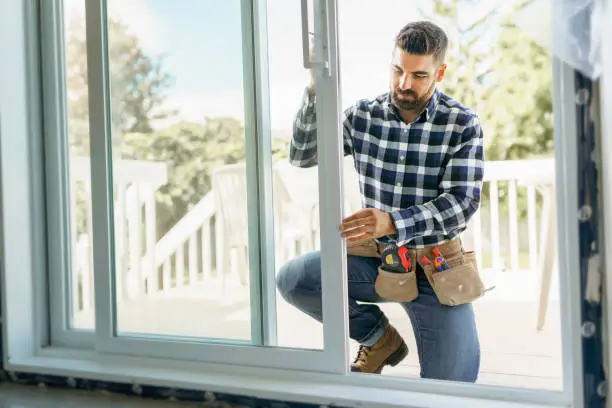
In this article, we will explore some of the most common double glazing problems and provide solutions for each, ensuring that your windows and doors continue to function optimally.
1. Condensation Between The Glass Panes
What Is It?
Condensation between the glass panes of your double glazing is one of the most common problems. This occurs when the seals around the glass fail, allowing moisture to accumulate between the panes, leading to foggy or steamed-up windows.
Causes
- Failed Seals: Over time, seals can degrade due to weathering or poor installation, allowing moisture to enter.
- Ageing: Older windows are more likely to suffer from seal failure.
Solutions
- Seal Replacement: In most cases, you can simply replace the seals. This is a relatively inexpensive solution compared to replacing the entire window.
- Professional Help: If you are unsure how to replace the seals, it’s best to contact a professional window fitter who can assess the damage and provide a solution.
2. Sticking Windows And Doors
What Is It?
A door or window that is difficult to open or close can be frustrating, and it may also compromise your home’s security. This issue is often caused by various factors, including the frame warping due to weather changes or mechanical issues.
Causes
- Stiff Mechanisms: Over time, the mechanisms that allow the window or door to open and close may become stiff or clogged.
- Weather Changes: Extreme temperatures can cause the window or door frame to expand or contract, leading to misalignment.
- Loose Hinges or Handles: A loose handle or hinge can make it harder to operate the window or door.
Solutions
- Lubricate: Apply oil or grease to the hinges, handles, and locking mechanisms to help loosen them.
- Tighten or Replace Hinges: If the hinges have become loose, tightening them may solve the issue. If the hinges are damaged, a replacement is required.
- Wait for Temperature to Stabilise: Sometimes, simply waiting for the temperature to cool down or warm up can resolve the problem.
3. Draughts And Air Leaks
What Is It?
Draughts coming from double-glazed windows and doors can significantly reduce the energy efficiency of your home. This is often caused by a broken or degraded seal.
Causes
- Broken Seals: Over time, the seals around the glass or frame can deteriorate, allowing air to seep through.
- Improper Installation: If the window or door is not installed correctly, it may allow cold air to enter from the gaps around the frame.
Solutions
- Seal Replacement: Replacing the broken seal is often the most effective way to stop draughts. In some cases, this can be done without replacing the entire window.
- Check Frame Installation: If the draught is coming from the frame itself, the window may need to be resealed or reinstalled.
4. Leaks Around The Window Or Door
What Is It?
Leaks around double-glazed windows or doors are particularly concerning as they can lead to water damage and mould growth inside your home.
Causes
- Damaged Weather Seals: If the seals around the window or door are damaged, rainwater can easily enter your home.
- Blocked Drainage: The drainage system inside the frame might be blocked, causing water to pool inside and eventually leak into your home.
Solutions
- Clean Drainage Channels: Check and clean the drainage channels in the frame. This can often resolve the issue if the leak is caused by blockages.
- Replace Weather Seals: If the seals are damaged, replacing them can prevent further water ingress.
5. Faulty Locks Or Handles
What Is It?
A faulty lock or handle can pose a security risk, making it difficult to secure your doors and windows. If the lock becomes jammed or stiff, it could compromise the safety of your home.
Causes
- Wear and Tear: Locks and handles can wear out over time, making them difficult to operate.
- Weather Conditions: Extreme cold or heat can cause the locking mechanism to stiffen, making it harder to turn the key or operate the handle.
Solutions
- Lubricate the Lock: Using a lubricant such as WD-40 can help to loosen the lock and make it easier to operate.
- Replace the Lock: If the lock is broken or damaged, it may need to be replaced. In most cases, you don’t need to replace the entire window or door, just the locking mechanism.
6. Difficulty Opening Windows
What Is It?
Sometimes, the mechanism inside the frame can become stiff or worn, making it difficult to open or close your windows. This is particularly common during temperature fluctuations.
Causes
- Frame Expansion: When the temperature changes, the frame may expand or contract, causing friction between the window and the frame.
- Worn Mechanisms: Over time, the opening mechanism inside the window may wear out, making it difficult to operate.
Solutions
- Oil the Mechanism: Applying a small amount of oil or lubricant to the opening mechanism can often solve the issue.
- Check the Frame: If the frame has expanded or contracted due to temperature changes, you may need to wait for the weather to stabilise before the problem resolves itself.
7. Foggy Windows Inside
What Is It?
Foggy windows, especially on the inside, are a sign of condensation. While it can be caused by poor ventilation, it can also signal a failure in the window’s insulating properties.
Causes
- Poor Ventilation: If there isn’t enough airflow in the room, moisture can accumulate on the inside of the window.
- Seal Failure: Condensation between the panes of glass can also occur due to a failed seal.
Solutions
- Improve Ventilation: Open the windows to let fresh air in or invest in dehumidifiers to reduce moisture levels.
- Replace Seals: If condensation is between the panes, the seals may need replacing to restore the insulating properties of the glass.
8. Cracked Or Broken Glass
What Is It?
Cracked or broken glass is a serious issue that compromises the security and insulation of your double glazing.
Causes
- Accidents or Impact: The glass can be cracked due to accidents or external impacts such as a ball, stone, or even severe weather.
- Weak Points: Over time, wear and tear can create weak points in the glass, making it susceptible to cracking.
Solutions
- Replace the Glass: If the glass is cracked or broken, it will need to be replaced. In some cases, you can replace just the glass pane instead of the entire frame.
Conclusion
While double glazing offers numerous benefits, such as improved energy efficiency and reduced noise, it’s essential to be aware of the common problems that can arise over time. From condensation between panes to faulty locks, these issues can affect both the functionality and appearance of your windows and doors.
Regular maintenance and timely repairs are key to extending the lifespan of your double glazing and keeping your home secure and comfortable. Taking proactive steps can ensure your double glazing continues to perform at its best, but it’s also worth considering the disadvantages of double glazed windows.
Frequently Asked Questions
What Are The Common Problems With Double Glazing?
Double glazing issues often include condensation between the panes, draughts, or poor insulation. These problems can arise due to seal failure, ageing window frames, or damage to the glass.
How Do I Fix Condensation In Double Glazing?
Condensation occurs when the seal between the glass panes breaks, allowing moisture to form inside. The solution is typically to replace the affected unit, as it’s difficult to fix condensation without professional help.
Why Are My Double Glazed Windows Draughty?
Draughts can result from a damaged seal, worn-out frame, or improper installation. To fix this, resealing the windows or replacing the seals or frames may be necessary.