
Plastering can seem like a challenging task if you’re unfamiliar with the necessary tools. However, with the right tools and a little practice, you can achieve smooth, professional results. This website provides an essential guide for beginners, listing the plastering tools you’ll need for a successful project.
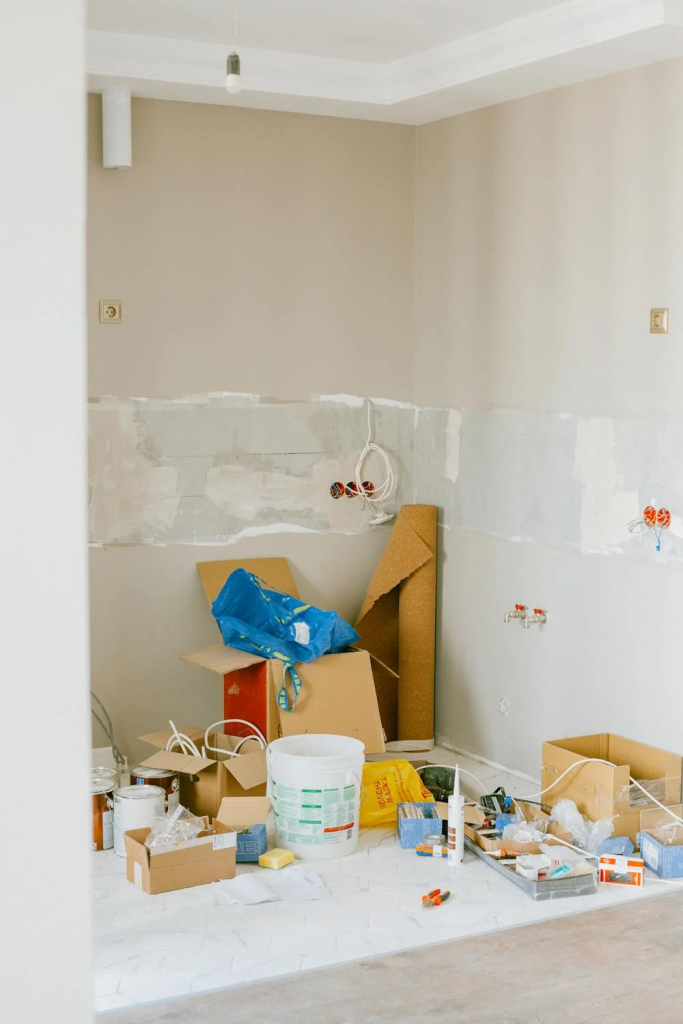
Whether you’re working on a DIY home improvement project or learning the basics of plastering, having the proper equipment is crucial to achieving the best results. Let’s discuss the essential tools required for plastering and how each of them contributes to the process.
1. Plastering Trowel
The plastering trowel is arguably the most important tool in plastering. It’s used to apply plaster smoothly to a surface, whether it’s a wall, ceiling, or even smaller areas. The right trowel will help you create a consistent, smooth finish.
Features Of A Good Plastering Trowel
- Blade Material: The blade should be made from stainless steel for flexibility and durability.
- Handle: Choose a trowel with a comfortable, ergonomic handle to reduce strain during long sessions of plastering.
- Blade Flexibility: A blade with the right amount of flexibility will allow you to smooth the plaster evenly.
How To Use A Plastering Trowel
- Scoop the plaster from the hawk.
- Apply the plaster in thin layers to the surface, smoothing it out with the flat edge of the trowel.
- Keep the trowel at a 45-degree angle to the surface to ensure even application.
2. Hawk
The hawk is a flat, square board with a handle that you hold in your non-dominant hand. It is used to carry plaster from your mixing bucket to your trowel for application. The hawk makes it easier to manage plaster during the process.
Key Features Of A Hawk
- Size: A standard hawk is typically around 30 x 30 cm, but there are larger versions available for bigger jobs.
- Material: Most hawks are made from durable plywood or plastic, ensuring they can hold plaster without warping.
How To Use A Hawk
- Scoop a small amount of plaster from your mixing bucket onto the hawk.
- Hold the hawk in your non-dominant hand while using your trowel to apply plaster.
- Keep the hawk level to avoid spillage while transferring plaster to your trowel.
3. Plastering Float
A plastering float is used to smooth the plaster after it’s been applied. This tool helps to remove any bumps, ridges, or imperfections, leaving a smooth surface behind.
Types Of Plastering Floats
- Polyurethane Float: Ideal for smoothing out plaster and leaving a fine finish.
- Rubber Float: Useful for finer finishes, especially when working with smaller areas or detailed patterns.
How To Use A Plastering Float
- Once the plaster is applied, use the float to smooth the surface.
- Work in circular motions to ensure the plaster is evenly distributed.
- Apply gentle pressure to avoid pressing the plaster too deep.
4. Plastering Brush
The plastering brush is used to wet down surfaces before plastering. Wetting the surface ensures that the plaster bonds well and doesn’t dry out too quickly.
Features Of A Plastering Brush
- Bristles: Soft bristles are ideal for wetting surfaces evenly without damaging them.
- Handle: Look for a brush with a long handle, which allows you to reach higher areas without straining.
How To Use A Plastering Brush
- Dip the brush into a bucket of clean water.
- Lightly wet the surface you plan to plaster, ensuring it is evenly damp but not soaked.
- Be careful not to apply too much water, as excess moisture can affect the plaster’s setting.
5. Plaster Mixer
A plaster mixer is essential for ensuring your plaster has the right consistency. Mixing by hand can be labour-intensive and inconsistent, so using a mixer ensures even results every time.
Types Of Plaster Mixers
- Handheld Electric Mixer: Useful for small to medium plastering jobs.
- Drill-Mounted Paddle Mixer: Ideal for larger projects requiring a more robust mix.
How To Use A Plaster Mixer
- Add the required amount of plaster and water to your mixing container.
- Attach the mixing paddle and set the mixer to a low speed to avoid splattering.
- Mix until the plaster reaches a smooth, creamy consistency with no lumps.
6. Buckets And Containers
Buckets are essential for holding both mixed plaster and water during your project. You’ll also need a sturdy container for mixing plaster.
Features To Look For
- Size: Choose a bucket that fits your plastering needs. Large buckets are best for mixing plaster, while smaller containers are useful for water and touch-up plastering.
- Material: Plastic buckets are commonly used due to their durability and ease of cleaning.
How To Use Buckets And Containers
- Use a large bucket to mix plaster and a smaller one for water.
- Ensure the buckets are clean before each use to prevent contamination.
- Use a plastic spatula to scrape out leftover plaster, ensuring you don’t waste any material.
7. Corner Trowels
A corner trowel is designed for getting into tight corners or edges where regular trowels may not fit. This tool is particularly important for achieving a neat finish in areas where walls meet at right angles.
Features Of Corner Trowels
- Shape: The trowel is shaped specifically for corner use, with an angled edge to fit neatly into corners.
- Handle: A comfortable handle is essential, especially for extended work in tight spaces.
How To Use A Corner Trowel
- Hold the trowel at a 45-degree angle to the corner.
- Apply light pressure to create a smooth, consistent finish.
- Work in small sections to ensure you don’t create gaps or uneven areas.
8. Plastering Sponge
A plastering sponge is used after the plaster has dried slightly, allowing you to smooth out any rough patches or imperfections. It’s particularly useful for finishing touches.
Features Of A Plastering Sponge
- Absorbent: A good plastering sponge is highly absorbent, making it effective for softening and smoothing the plaster.
- Shape: The sponge is often square or rectangular, but sponges with rounded edges may be used for finer details.
How To Use A Plastering Sponge
- Lightly wet the sponge to soften the plaster.
- Use circular motions to smooth out any ridges or uneven areas.
- Wipe away excess plaster gently to avoid disturbing the surface.
9. Mixing Tray
A mixing tray is a portable, flat surface used for mixing plaster when working on smaller jobs. It allows you to mix plaster without creating a mess on the floor or other surfaces.
Features Of Mixing Trays
- Size: A smaller, portable tray that fits comfortably on a workbench or table.
- Material: Plastic or metal trays are the most common due to their ease of cleaning and durability.
How To Use A Mixing Tray
- Pour the plaster powder into the tray.
- Add water gradually while mixing to achieve the desired consistency.
- Use a mixing spatula or trowel to combine the plaster thoroughly.
Maintaining Plastering Tools
Proper maintenance of plastering tools is essential to ensure their longevity and functionality. Here’s how you can care for your plastering tools:
Cleaning Tips
- Clean Immediately: Clean your tools as soon as you finish plastering to prevent plaster from hardening on them.
- Use Water and Scrapers: Use water and a scraper or brush to remove plaster residue.
- Avoid Harsh Chemicals: Stick to mild detergents and water when cleaning your tools.
Storage Tips
- Store in a Dry Place: Keep your tools in a dry area to prevent rust and corrosion.
- Hang or Organise: Store your trowels, hawks, and floats in a way that prevents them from being damaged. Hanging tools or using a tool chest can help organise your plastering kit.
Conclusion
Equipped with the right plastering tools, you’ll be able to tackle any plastering project with confidence. From the essential plastering trowel to the corner trowel for detailed work, each tool is designed to help you achieve smooth and professional results. Taking good care of your tools, such as cleaning them after use and storing them properly, will ensure that they last for many future projects.
By having the right equipment and understanding how to use it effectively, your plastering projects will be far easier and more successful.
Frequently Asked Questions
What Is The Most Important Tool For Plastering?
The most important tool for plastering is the plastering trowel. This tool is used for spreading plaster across surfaces and smoothing it out for a perfect finish. Without it, achieving an even, smooth surface would be difficult.
How Can I Ensure A Smooth Finish When Plastering?
To achieve a smooth finish when plastering, use the right plastering tools, such as a trowel, float, and sponge. Work in sections, apply plaster evenly, and smooth the surface regularly to remove any bumps or ridges.
Can I Use The Same Tools For Different Types Of Plastering Jobs?
Yes, many plastering tools, such as trowels, hawks, and floats, can be used for different plastering tasks. However, specialised tools like corner trowels are designed for specific tasks, such as plastering edges and corners.