
When considering options for your garage walls, many homeowners look beyond traditional drywall for alternatives that better suit their needs. With the rising demand for more durable, cost-effective, and practical materials, there are several viable options to explore. Each material has its benefits, allowing you to tailor your garage’s functionality and aesthetic.
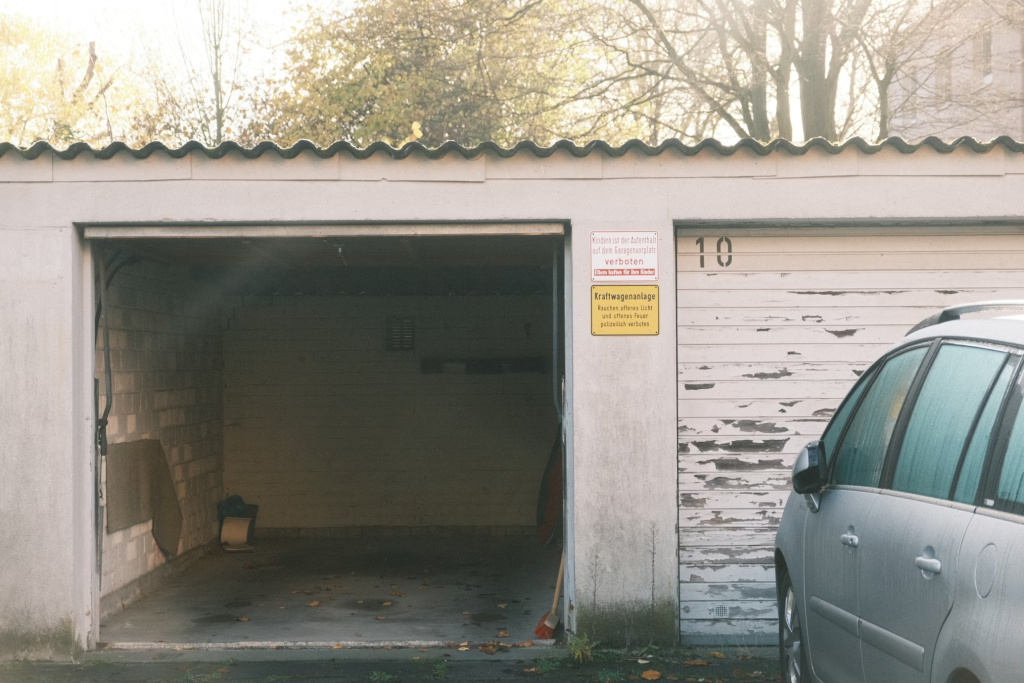
In this article, we’ll look at some alternatives to drywall for your garage walls, along with their pros and cons, so you can make an informed decision. Bonuses to these options include increased durability, ease of installation, and sometimes even lower costs.
1. Plywood: Durable And Cost-Effective
Why Choose Plywood For Your Garage Walls?
Plywood is a commonly used alternative to drywall, known for its durability and strength. It is easy to install and offers a flexible solution to your garage’s wall needs. Whether you’re looking for something basic or a material that can handle wear and tear, plywood serves well.
Advantages Of Plywood
- Durability: Plywood is resistant to impacts, making it perfect for garages where you may store heavy items or use tools.
- Affordability: Plywood is typically less expensive than drywall and can be found in various thicknesses depending on your needs.
- Customisation: Plywood can be stained or painted to match the interior of your garage, providing a tailored look.
- Easy to Install: Installing plywood is straightforward, requiring fewer tools than some other materials.
Disadvantages Of Plywood
- Moisture Issues: Plywood can absorb moisture, leading to warping if it is not properly sealed, which is important for garages that are subject to high humidity.
- Appearance: While functional, plywood may not provide the finished, smooth look that drywall does unless it is treated and painted.
2. MDF (Medium-Density Fibreboard): Smooth And Paintable
Why Consider MDF For Garage Walls?
MDF offers a smooth, uniform surface that is ideal for those looking for a neat, paintable material for their garage walls. It is denser than plywood and provides a clean look that can be easily personalised.
Advantages Of MDF
- Smooth Finish: Unlike plywood, MDF offers a smooth surface that is easy to paint, providing a polished look.
- Affordability: MDF is generally cheaper than other options like metal panels or plywood.
- Ease of Installation: Like plywood, MDF is simple to cut and install with minimal effort.
- Good for Internal Spaces: If your garage is used more as a living space or office, MDF can provide a more aesthetically pleasing alternative to drywall.
Disadvantages Of MDF
- Moisture Sensitivity: MDF is prone to swelling and warping when exposed to moisture, making it less ideal for damp garages.
- Less Durable: It’s not as resistant to impacts as plywood or metal options, so heavy-duty usage may cause damage over time.
3. OSB (Oriented Strand Board): Tough And Budget-Friendly
Why Use OSB For Garage Walls?
OSB is a wood-based product made from compressed wood strands. It’s an economical and durable material that can handle a variety of uses, making it a great choice for garage walls, especially for those on a budget.
Advantages Of OSB
- Cost-Effective: OSB is typically cheaper than plywood, offering a budget-friendly option for garage walls.
- Strength: OSB can handle rough conditions and is more resistant to damage than drywall.
- Easy Installation: OSB is easy to cut and install, similar to plywood.
Disadvantages Of OSB
- Appearance: OSB may not offer the smooth, finished look of other materials, as it has a rough surface.
- Moisture Vulnerability: OSB can absorb moisture, leading to swelling and potential damage if not sealed correctly.
4. Metal Panels: Industrial And Long-Lasting
Why Opt For Metal Panels For Garage Walls?
For those seeking an industrial look or enhanced durability, metal panels, such as steel or aluminium, are an excellent alternative. These materials are ideal for creating a strong, low-maintenance garage wall.
Advantages Of Metal Panels
- Durability: Metal panels are highly resistant to impact, moisture, and fire, making them a long-lasting solution.
- Fire Resistance: Metal is non-combustible, offering added safety for garages that store flammable materials.
- Ease of Maintenance: Metal panels are simple to clean and maintain, making them ideal for a busy garage environment.
Disadvantages Of Metal Panels
- Higher Initial Cost: Metal panels are often more expensive than plywood or MDF, making them less suitable for those with a tight budget.
- Appearance: The industrial aesthetic of metal may not suit all home styles or personal preferences.
5. Concrete Blocks: Robust And Permanent
Why Choose Concrete Blocks For Garage Walls?
Concrete blocks are a permanent and sturdy option for building garage walls. Known for their strength and fire resistance, they provide a secure, long-lasting structure for your garage.
Advantages Of Concrete Blocks
- Extreme Durability: Concrete blocks are virtually indestructible and able to withstand impacts, fire, and other forms of damage.
- Low Maintenance: Once installed, concrete block walls require little to no maintenance.
- Fireproof: Concrete blocks are non-combustible, offering an additional layer of protection.
Disadvantages Of Concrete Blocks
- Cost: Concrete block walls can be costly to install, especially when factoring in labour costs.
- Aesthetic Limitations: Concrete can appear industrial and bare, and often needs additional treatments like painting to improve its appearance.
6. PVC Wall Panels: Low Maintenance And Moisture Resistant
Why Consider PVC Wall Panels For Your Garage?
PVC wall panels are a modern, lightweight, and moisture-resistant option that works well in damp or humid environments. They offer a quick and easy installation process and are highly durable for garage settings.
Advantages Of PVC Wall Panels
- Water Resistance: PVC panels are impervious to moisture, making them ideal for garages prone to dampness.
- Easy to Install: These panels are simple to cut and install, requiring minimal tools.
- Low Maintenance: PVC walls are easy to wipe clean and do not require frequent upkeep.
Disadvantages Of PVC Wall Panels
- Durability: While water-resistant, PVC is not as impact-resistant as metal or concrete, so it may not be suitable for heavy-duty use.
- Aesthetic: PVC may not provide the polished or high-end look of other materials like MDF or metal panels.
7. Pegboard: Organised And Customisable
Why Use Pegboard For Your Garage Walls?
Pegboard is a fantastic choice if you want to maximise storage and organisation in your garage. It is especially useful for hanging tools, sports equipment, or any other items you want to keep off the floor.
Advantages Of Pegboard
- Organisational Benefits: Pegboard helps keep tools and equipment organised and easily accessible, making it perfect for a working garage.
- Customisation: You can add hooks, shelves, and bins to pegboards to create a tailored storage system.
- Affordable: Pegboard is generally inexpensive and available in different sizes to suit your garage.
Disadvantages Of Pegboard
- Limited Coverage: Pegboard may not cover the entire wall effectively, and it’s not suitable for those looking to cover the whole wall area.
- Weight Limitations: While pegboard is great for hanging lighter items, it may not support heavy tools or equipment without additional reinforcement.
Conclusion
When considering alternatives to drywall for your garage walls, there is no shortage of options that offer practicality, durability, and style. Whether you choose plywood, MDF, OSB, metal panels, concrete blocks, PVC panels, or pegboard, each material brings something unique to the table.
Consider factors such as moisture resistance, ease of installation, durability, and cost when selecting the best option for your garage. Ultimately, the right material will depend on your specific needs, whether you prioritise storage, aesthetics, or robustness.
Frequently Asked Questions
What Is The Best Material For Garage Walls?
The best material for garage walls depends on your needs. Plywood is a popular choice for its durability and affordability, while metal panels are great for industrial strength and fire resistance. If you need moisture resistance, PVC panels are an excellent option.
Can I Use MDF in A Damp Garage?
While MDF can be used in a garage, it is not ideal for damp environments as it can absorb moisture and swell. If you choose MDF, ensure the garage is well-ventilated and consider using moisture-resistant MDF options.
Is Pegboard Suitable For Hanging Heavy Tools?
Pegboard is excellent for storing and organising lighter tools and equipment. However, if you plan to hang heavy tools, it is important to reinforce the pegboard and use suitable hooks to ensure it can support the weight.