
The design of your store plays a significant role in attracting customers, boosting sales, and increasing foot traffic.
Top store design tips to boost sales and foot traffic focus on creating an environment that not only appeals to customers but also encourages them to stay longer, engage with products, and ultimately make purchases.
A well-designed store provides a seamless and enjoyable shopping experience that can drive both sales and repeat business.
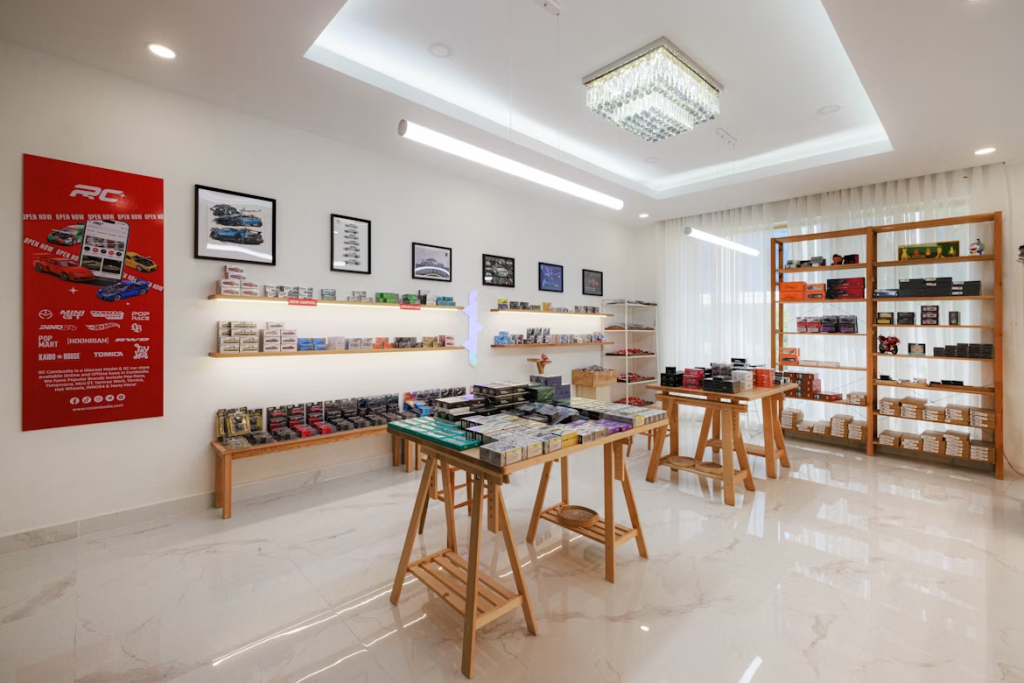
In this article, we’ll explore several effective store design tips that can help transform your retail space into a customer magnet. If you want to learn more about creating an appealing store, my company offers more in-depth insights.
Why Store Design Matters for Sales and Foot Traffic
Store design is much more than just aesthetics; it has a direct impact on the way customers experience your brand and engage with your products. Good store design can drive sales by creating an attractive, functional, and comfortable space that makes shopping enjoyable.
The Connection Between Design and Sales
- First impressions: The way a store looks is often the first interaction a customer has with your brand. An inviting, well-thought-out design makes a positive impact and encourages people to walk in.
- Guiding customer behaviour: A well-designed store layout guides customers to high-margin or promotional items, increasing the chances of impulse purchases and boosting sales.
- Creating a unique brand experience: Store design is an extension of your brand, and it should convey your brand’s personality and values, helping to build customer loyalty.
Top Store Design Tips to Increase Foot Traffic and Sales
There are numerous strategies that can enhance your store’s appeal and functionality. Below are some of the top store design tips to boost both foot traffic and sales.
1. Create an Inviting Storefront
Attracting Passers-by
- Eye-catching windows: Your storefront is the first point of contact customers have with your business. Make it count by showcasing your best products in an attractive window display.
- Clear signage: Ensure your store’s name and logo are visible and easy to read. Consider using bold, simple fonts and colours that align with your brand.
- Lighting: Proper lighting draws attention to your store and creates an inviting atmosphere. Use bright, welcoming lights during the day and consider softer lighting at night to create a warm ambiance.
Seasonal Displays
- Reflect the season or occasion: Change your window displays regularly to reflect the current season, holidays, or special events. This keeps the store fresh and encourages repeat visits.
2. Use an Intuitive Store Layout
Organise Your Space Effectively
- Customer flow: Plan your store layout to encourage customers to explore all areas. Arrange products so that customers can easily navigate through the store without feeling cramped or lost.
- Zoning: Divide your store into zones based on product categories, making it easier for customers to find what they are looking for. For example, place all seasonal items together, or separate clothing into men’s, women’s, and children’s sections.
- Featured areas: Position high-margin or promotional products in high-traffic areas such as the front of the store or near the checkout to maximise visibility.
The Power of the “Golden Path”
- Walkable aisles: Research shows that customers tend to follow a specific path through a store. This “golden path” should lead them past key products, creating natural opportunities for them to stop and browse.
3. Optimise Lighting to Highlight Products
Create the Right Ambiance
- Layered lighting: Use a combination of ambient, task, and accent lighting to create depth and highlight specific areas. For example, use ambient lighting to brighten the entire store and accent lighting to draw attention to key products or displays.
- Bright product displays: Ensure that your product displays are well-lit, so customers can clearly see details, colours, and features. Proper lighting makes products more attractive and encourages purchases.
- Avoid shadows: Dark corners or poorly lit areas can make the store feel uncomfortable and uninviting. Make sure lighting is evenly distributed across the store.
4. Colour and Branding Consistency
Colour Psychology in Retail
- Colour choices: Colours have a significant impact on how customers perceive your store and influence their mood. For example, blue can evoke trust, while red can create a sense of urgency.
- Branding: Use colours that are consistent with your brand identity. If your brand is known for vibrant and energetic products, bright colours like orange or yellow may work well. For a more sophisticated brand, neutral tones like grey or beige may be better.
Create Visual Interest
- Contrast and balance: Use contrasting colours for signage, displays, and promotional areas to grab attention. However, avoid using too many colours that may overwhelm customers. Balance is key for maintaining a cohesive aesthetic.
5. Invest in Interactive Displays
Engaging the Customer
- Interactive elements: Customers are more likely to engage with products they can touch, try, or experience. Consider adding interactive displays, such as touchscreens, product demonstrations, or areas where customers can test out your products.
- Digital signage: Digital screens can display dynamic content, such as promotional videos, customer reviews, or real-time stock updates, providing customers with information while they browse.
Try Before You Buy
- Product sampling: If applicable, set up areas where customers can sample or experience your products. For example, a beauty store might offer a testing station for skincare products, or a kitchenware store could provide cooking demos.
6. Maintain a Clean and Organised Store
Cleanliness and Professionalism
- Tidy displays: Cluttered shelves or messy displays can make your store look uninviting and reduce customer satisfaction. Ensure your products are neatly arranged and that the store is clean and organised at all times.
- Regular cleaning: Floors, windows, and fixtures should be cleaned regularly to maintain a professional appearance. Dirty or dusty stores give the impression that you don’t care about your products or customers.
Create Clear Pathways
- Wide aisles: Ensure that there is plenty of space for customers to walk comfortably, especially during peak hours. A clutter-free environment encourages customers to linger and browse.
7. Incorporate Comfortable Seating Areas
Providing Comfort for Customers
- Rest areas: If your store is large, consider adding seating areas where customers can rest while shopping. Comfortable seating can make customers feel more relaxed and encourage them to stay longer in your store.
- Convenient fitting rooms: If you sell clothing or accessories, ensure your fitting rooms are spacious, well-lit, and clean. A positive experience in the fitting room increases the likelihood of a purchase.
Creating a Relaxed Atmosphere
- Casual spaces: For lifestyle stores, offering a small lounge area with coffee or snacks can encourage customers to linger, boosting the chances of an impulse buy.
8. Use Signage to Guide and Inform Customers
Clear and Concise Signage
- Directional signs: Make it easy for customers to navigate your store with clear directional signs pointing to specific departments, sales, or promotions.
- Product information: Provide informative signs about the products, such as pricing, features, and discounts. Use clear, legible fonts and avoid overwhelming customers with too much text.
Promotional Signage
- Bold promotions: Use large, eye-catching signs for current sales, limited-time offers, or discounts. This attracts attention and creates a sense of urgency, encouraging customers to act quickly.
Maintaining Customer Appeal Over Time
Once you’ve designed your store, maintaining its appeal is just as important. Regular updates and seasonal changes can help keep your space fresh and engaging.
1. Regularly Update Displays
- Seasonal changes: Update your store displays to reflect the seasons or special holidays. Seasonal changes keep your store interesting and encourage customers to return to see what’s new.
- New arrivals: Regularly feature new products in prominent locations to keep the store exciting for regular customers.
2. Keep Track of Customer Feedback
- Customer surveys: Engage with customers to understand their experience and gather feedback about the store layout and design.
- Staff insights: Ask your employees for their observations about customer behaviour and the effectiveness of store displays.
Conclusion
Top store design tips to boost sales and foot traffic are essential for creating a shopping environment that is engaging, comfortable, and conducive to sales.
From an inviting storefront to interactive displays and clear signage, each design element plays a role in shaping the customer experience.
Regular updates and a focus on customer comfort can help maintain a fresh and appealing space that attracts customers and encourages them to spend more time in your store.
By implementing these store design tips, you can transform your retail space into a customer magnet that drives both sales and foot traffic.
Frequently Asked Questions
How often should I change the design of my store?
It’s ideal to refresh your store’s design every 6-12 months, especially for seasonal displays or major promotional periods. Regular updates help maintain customer interest and increase foot traffic.
What role does lighting play in store design?
Lighting plays a crucial role in setting the atmosphere, highlighting products, and guiding customers to key areas. Well-lit spaces feel welcoming, and product displays become more attractive, which can directly influence purchasing decisions.
Can store layout affect customer behaviour?
Yes, store layout significantly impacts how customers navigate the store, how much time they spend in each area, and which products they notice. A well-planned layout encourages customers to explore more products and potentially buy more items.