
Compression boots have gained popularity among athletes and fitness enthusiasts for their ability to aid muscle recovery efficiently.
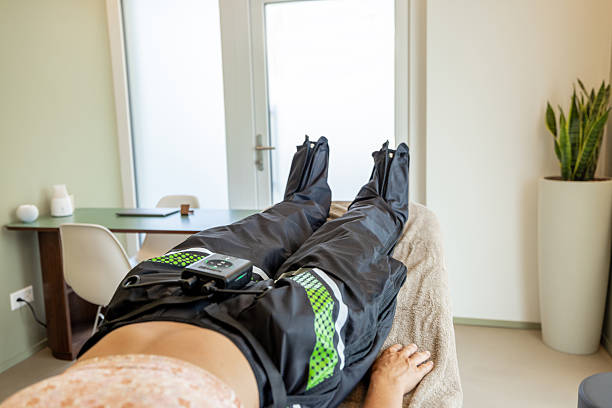
These devices offer a method to improve circulation, reduce soreness, and speed up recovery after intense training sessions. If you want to enhance your recovery routine and get back to training faster, check the Home Page for more detailed information on recovery tools and tips.
What Are Compression Boots?
Compression boots are wearable devices designed to apply controlled pressure to the legs, calves, and feet. They use pneumatic chambers that inflate and deflate to promote blood flow and lymphatic drainage.
How Compression Boots Work
- They create a pulsating pressure that moves blood away from the extremities.
- Improved circulation helps clear metabolic waste such as lactic acid.
- Enhanced oxygen delivery speeds up muscle repair.
The boots simulate the natural muscle pump action that occurs during movement, which can be especially helpful after intense workouts or long periods of inactivity.
Different Types of Compression Boots
- Sequential Compression: Inflates chambers in sequence from foot to thigh.
- Static Compression: Maintains steady pressure without cycling.
- Adjustable Pressure: Allows users to set intensity based on comfort and need.
Why Use Compression Boots for Muscle Recovery?
Compression boots offer several benefits that make them a secret weapon for faster muscle recovery.
Reduced Muscle Soreness and Swelling
After exercise, muscles can become sore and swollen due to fluid buildup and microtrauma. Compression boots help:
- Drain excess fluid reducing swelling.
- Decrease delayed onset muscle soreness (DOMS).
- Improve comfort and range of motion.
Faster Removal of Metabolic Waste
Intense exercise produces waste products like lactic acid. Compression boots:
- Increase venous return to the heart.
- Enhance lymphatic flow to clear toxins.
- Speed recovery by reducing muscle fatigue.
Improved Circulation Without Extra Effort
Unlike active recovery that requires physical activity, compression boots provide passive recovery.
- Useful when rest days or injury limit movement.
- Allows muscles to recover while relaxing.
How to Use Compression Boots Effectively
Using compression boots properly can maximise their recovery benefits.
Recommended Duration and Frequency
- Typical sessions last between 15 to 30 minutes.
- Use compression boots 3-5 times per week or after intense training.
- Avoid overuse; listen to your body’s response.
Best Times to Use Compression Boots
- Immediately post-workout to reduce inflammation.
- On rest days to enhance circulation.
- Before competitions to prepare muscles.
Tips for Safe Use
- Start with lower pressure settings and increase gradually.
- Remove boots if discomfort or numbness occurs.
- Consult a healthcare professional if you have circulation issues.
Comparing Compression Boots with Other Recovery Methods
Compression boots are part of a larger recovery toolkit. Understanding their role compared to other methods helps optimise your routine.
Compression Boots vs Foam Rolling
- Foam rolling provides targeted muscle release by applying pressure manually.
- Compression boots offer whole-leg circulation enhancement.
- Combining both can improve recovery effectiveness.
Compression Boots vs Ice Baths
- Ice baths reduce inflammation through cold exposure.
- Compression boots promote blood flow through pressure.
- Using both alternately can address soreness and swelling effectively.
Compression Boots vs Massage Therapy
- Massage offers hands-on muscle manipulation.
- Compression boots provide passive recovery with minimal effort.
- Massage can complement compression boot sessions for deeper recovery.
Who Can Benefit from Compression Boots?
Compression boots are useful for a wide range of people beyond just professional athletes.
Competitive Athletes
- Recover quicker between training sessions or events.
- Reduce risk of injury from overuse.
- Maintain peak performance levels.
Fitness Enthusiasts
- Improve recovery after heavy gym workouts.
- Manage muscle soreness and stiffness.
- Support consistent training without burnout.
Individuals with Circulation Issues
- People with poor blood flow benefit from enhanced venous return.
- May aid in conditions like varicose veins or mild oedema.
- Always consult a doctor before use.
Choosing the Right Compression Boots
Not all compression boots are the same. Selecting the right pair depends on your goals and preferences.
Factors to Consider
- Pressure Settings: Adjustable pressure allows personalised recovery.
- Coverage Area: Some boots cover calves only; others extend to thighs.
- Portability: Lightweight and rechargeable models are ideal for travel.
- Ease of Use: Simple controls and comfortable fit improve adherence.
- Price Range: Options vary widely; invest according to your budget.
Popular Brands and Models
- NormaTec PULSE
- Air Relax
- Rapid Reboot Recovery System
Reading reviews and trying different models can help you find what suits you best.
Integrating Compression Boots Into Your Recovery Routine
To get the most from compression boots, they should fit seamlessly into your overall recovery plan.
Combine with Hydration and Nutrition
- Drink plenty of water to support circulation and toxin clearance.
- Consume protein and antioxidants to repair muscles.
Use Alongside Active Recovery
- Light movement like walking or cycling complements compression therapy.
- Helps maintain mobility and prevent stiffness.
Track Your Progress
- Notice changes in soreness, swelling, and performance.
- Adjust frequency and duration based on results.
How Compression Boots Aid Injury Prevention
Beyond speeding up recovery, compression boots can play a role in preventing injuries, especially for those who train regularly or compete frequently.
Reducing Muscle Fatigue
- Compression boots improve blood flow, which helps muscles receive oxygen and nutrients.
- Less fatigue means muscles are less likely to become tight or strained during workouts.
- This can lower the risk of strains and pulls.
Managing Inflammation Early
- By encouraging lymphatic drainage, compression boots reduce inflammation before it worsens.
- Early management of swelling helps prevent chronic issues such as tendinitis or compartment syndrome.
Supporting Joint Health
- Improved circulation also helps maintain healthy joint tissues.
- Keeping joints well-nourished can reduce stiffness and the chance of injury from overuse.
Conclusion
Compression boots are a practical tool for anyone looking to improve muscle recovery. Their ability to boost circulation, reduce soreness, and clear metabolic waste makes them an effective secret weapon in training and rehabilitation.
When used properly and combined with nutrition, hydration, and active recovery, compression boots can shorten downtime and help you return to your workouts stronger.
Frequently Asked Questions
Are compression boots suitable for everyone?
While compression boots are generally safe, people with certain medical conditions should consult a healthcare professional before use, especially those with deep vein thrombosis or severe cardiovascular issues.
How soon after exercise should I use compression boots?
For best results, use compression boots within 30 minutes to 2 hours after training to reduce inflammation and speed recovery.
Can compression boots replace rest days?
Compression boots aid recovery but do not replace the need for adequate rest and sleep. They should be part of a holistic recovery plan.