
Construction projects, whether large or small, come with inherent risks that can impact timelines, budgets, and overall project outcomes.
Managing these risks effectively is crucial to ensuring that projects are completed on time, within budget, and to the desired quality standards.
The process of identifying, analysing, and mitigating risks is a key component of successful project management. In this article, we will outline the essential risk management strategies that contribute to the success of construction projects.
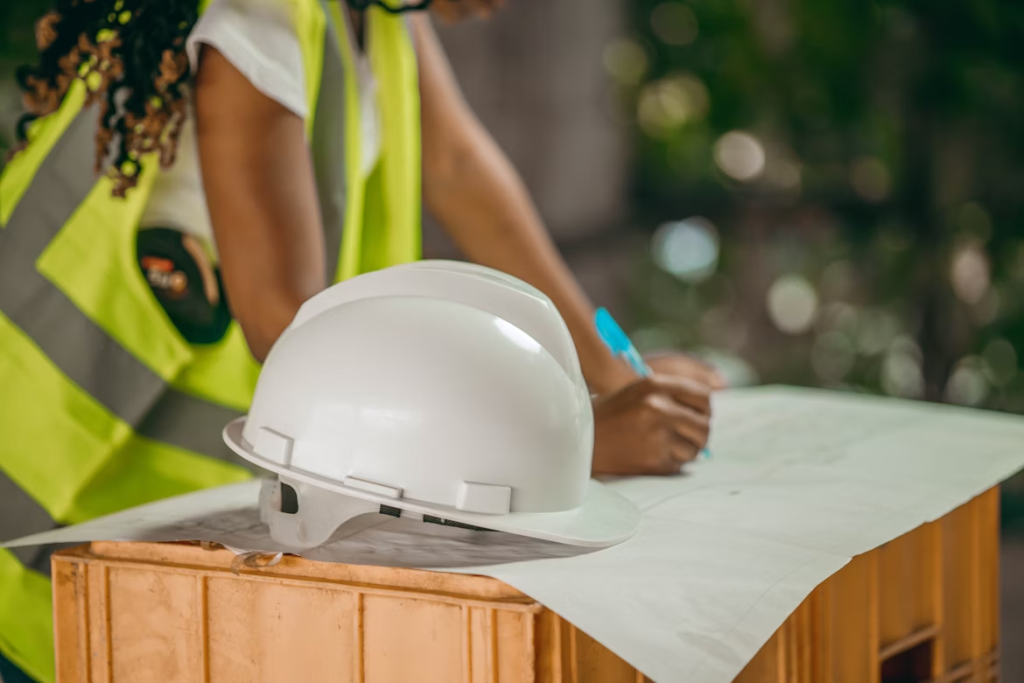
Whether you are managing a cafe fitouts or a large-scale commercial building project, understanding these strategies will help you mitigate risks and keep your project on track.
The Importance of Risk Management in Construction
Risk management in construction involves identifying, assessing, and taking steps to minimise risks throughout the lifecycle of a project.
Construction projects are inherently risky due to factors such as complex designs, labour and equipment requirements, regulatory compliance, and unforeseen site conditions.
Effective risk management helps prevent or mitigate negative impacts on the project, including delays, cost overruns, and disputes with stakeholders.
1. Why Is Risk Management Necessary in Construction?
Without a comprehensive risk management strategy, construction projects are susceptible to challenges that can escalate into major issues. These include budget overruns, where unexpected costs arise from delays, supply chain issues, or poor planning.
Project delays, caused by factors such as weather, labour shortages, or regulatory issues, can push timelines back, leading to additional costs and frustration.
Safety hazards, resulting from poor safety management, can lead to accidents, injuries, or fatalities on site, which can trigger costly legal and compensation claims.
Quality issues, stemming from mismanagement of materials or workmanship, can also affect the final quality of the project.
Key Risk Management Strategies in Construction
Risk management involves several steps that help project managers identify, assess, and respond to risks. Below are key strategies for managing risks effectively in construction projects.
1. Risk Identification
The first step in risk management is identifying potential risks. This involves a thorough assessment of the entire project, including all stages of the construction process, from design to completion.
How to Identify Risks:
Conduct risk workshops
Engage stakeholders, including architects, engineers, contractors, and suppliers, to identify potential risks.
Site analysis
Assess the site for potential issues such as soil instability, access problems, or environmental hazards.
Review historical data
Look at similar projects to identify risks that may have been encountered in the past.
Consult with experts
Seek advice from specialists, such as safety experts or legal advisors, who may identify risks that aren’t immediately obvious.
2. Risk Assessment and Prioritisation
Once risks have been identified, they need to be assessed to determine their potential impact on the project. Not all risks carry the same level of threat, so it’s important to prioritise them based on their severity and likelihood of occurring.
Steps for Risk Assessment:
Likelihood and impact analysis
Assess each identified risk by determining how likely it is to occur and the potential impact it would have on the project.
Risk matrix
Use a risk matrix to classify risks into categories based on their likelihood and potential consequences. This helps prioritise risks that need immediate attention.
Quantify financial impact
Where possible, estimate the financial cost associated with each risk, allowing for more accurate budget forecasting.
3. Risk Mitigation Strategies
Once risks are assessed and prioritised, project managers can develop risk mitigation strategies. These are proactive measures taken to reduce or eliminate the likelihood of risks occurring, or to minimise their impact if they do arise.
Common Risk Mitigation Techniques:
Design changes
Altering the design of the project can reduce certain risks, such as structural concerns or site access issues.
Contractor selection
Carefully select qualified and experienced contractors to reduce the risk of delays or subpar work.
Insurance
Ensure that the project is adequately covered by insurance policies that address common construction risks, including property damage and worker injuries.
Pre-emptive site preparation
Conduct thorough site preparation and risk assessments to avoid issues like poor soil conditions or environmental concerns.
4. Risk Monitoring and Control
Managing risks does not stop once mitigation strategies are in place. Continuous monitoring is essential to ensure that identified risks are being effectively controlled and that new risks are promptly identified and addressed.
Monitoring and Control Practices:
Regular project reviews
Schedule regular reviews of the project’s progress and risk status to ensure that mitigation measures are working as expected.
Track performance
Use project management tools and software to track the progress of tasks, monitor costs, and identify any early signs of delays or budget issues.
Adapt strategies
If new risks emerge or existing risks become more significant, adapt your mitigation strategies accordingly to stay ahead of potential problems.
5. Communication and Stakeholder Engagement
Communication is key to successful risk management in construction. Ensuring that all stakeholders are informed and involved throughout the project helps mitigate misunderstandings and keeps risks under control.
Effective Communication Strategies:
Regular updates
Keep clients, contractors, suppliers, and other stakeholders informed with regular updates on the project’s progress and any emerging risks.
Clear reporting
Provide clear and concise risk reports that highlight current risks, their potential impact, and the actions being taken to mitigate them.
Collaboration
Encourage collaboration between all parties involved in the project to ensure a proactive approach to managing risks.
Risk Management in Specific Phases of Construction
Risk management strategies need to be tailored to each phase of the construction project. Different phases of the project pose unique challenges, and it’s important to manage risks accordingly.
1. Pre-Construction Phase
During the pre-construction phase, risks related to project planning, design, and site preparation are most prominent. Proper risk assessment and mitigation during this phase can prevent many issues from arising later on.
2. Construction Phase
The construction phase involves the actual building process, and it is here that the majority of risks are realised. These risks typically involve on-site safety, delays, and budget overruns.
3. Post-Construction Phase
After construction is completed, there are still risks related to project closeout, handover, and occupancy. Addressing these risks effectively ensures a smooth transition from construction to operation.
Tools and Technologies for Risk Management
In today’s fast-paced construction industry, using the right tools and technologies can significantly improve risk management efforts. Construction project management software and digital tools can help track risks, manage schedules, and ensure that budgets are adhered to.
1. Project Management Software
Software like Procore, Buildertrend, and Microsoft Project helps track project milestones, manage budgets, and identify potential risks early on. These platforms can be integrated with other tools to provide a comprehensive overview of the project.
2. Risk Management Tools
Risk management tools such as RiskWatch and Primavera Risk Analysis provide in-depth risk analysis, helping project managers assess potential risks, create mitigation plans, and track changes throughout the project lifecycle.
3. Collaboration Tools
Tools like Slack, Microsoft Teams, and Trello allow teams to communicate in real-time, share documents, and collaborate on tasks, ensuring that risk management measures are executed effectively across all teams.
Conclusion
Risk management is a crucial aspect of any construction project. By identifying potential risks, assessing their impact, and implementing effective mitigation strategies, construction managers can avoid costly delays and disruptions.
Throughout the lifecycle of a project, risk management strategies help ensure that the project stays on track, on budget, and meets the desired quality standards.
Whether you’re overseeing a cafe fitouts project or a large infrastructure development, applying these strategies will significantly improve your chances of delivering a successful construction project.
Frequently Asked Questions
1. What are the common risks in construction projects?
Common risks include budget overruns, delays, safety hazards, poor quality of work, and legal disputes related to contracts or permits.
2. How can construction risks be reduced?
Construction risks can be reduced by thoroughly assessing risks early, implementing safety measures, maintaining effective communication, and using proper project management tools to track progress and issues.
3. How does project management software help with risk management?
Project management software helps track timelines, budgets, and tasks, which enables project managers to identify risks early, adjust plans accordingly, and ensure smooth project delivery.