
Choosing the perfect wedding venue is one of the biggest decisions you’ll make during the planning process. It shapes the entire experience for you and your guests, influencing everything from the ceremony style to the reception atmosphere.
If you’re in the early stages of planning and looking for inspiration, you might start by searching for the best wedding venues in Melbourne, which offer a variety of options to suit all tastes and budgets. But no matter where you’re tying the knot, this guide will walk you through every factor to consider when picking the right location for your wedding day.
Setting the Foundation: Understand Your Vision
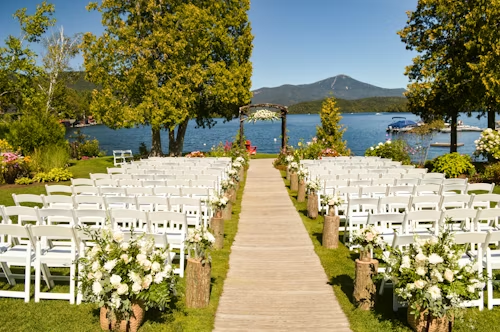
Before you contact any venues or make appointments for viewings, it’s essential to have a clear idea of what kind of wedding you want. This will help you filter through options and save time.
Define the style of your wedding
Are you dreaming of a rustic barn celebration, a sleek city rooftop party, or a relaxed beachside affair? The venue should reflect your personal style as a couple. Your theme and location should go hand in hand. A formal wedding in a vineyard, for example, may not work as well if you’re imagining a black-tie evening event.
Indoor, outdoor, or both?
Think about your preference for an indoor venue, outdoor setting, or a combination. Gardens are ideal for ceremonies, while indoor spaces offer more control over lighting, sound, and weather-related issues.
Budgeting for the Big Day
Once you have a vision in mind, the next step is matching it with a realistic budget. Venue costs vary dramatically depending on size, popularity, location, and included services.
Calculate your full wedding budget
Work out your total budget first. Then, allocate about 40–50% of it to the venue, including catering and rentals if they’re offered in-house. This ensures you won’t overspend in one area and run short in others.
Hidden charges to watch out for
Ask about service fees, overtime rates, corkage, and cleanup fees. Some venues appear affordable upfront but add significant charges later. Always request a detailed quote and a full list of what’s included.
Location and Accessibility
When selecting your venue, location is more than just a beautiful backdrop. Consider how convenient it is for guests, especially those coming from out of town.
Is it easy to get to?
Check proximity to airports, accommodation, and transport links. If your venue is in a remote area, look for options with nearby hotels or consider arranging group transport.
Consider on-site accommodation
Some venues offer cottages or suites for the wedding party. Having everyone nearby can reduce stress on the day and create a more connected experience for guests.
Size and Capacity
You need a venue that can comfortably fit your guest list — not one that feels too cramped or overly spacious.
Match capacity to your guest count
Estimate your guest numbers early. Venues usually have minimum and maximum capacities, and exceeding these limits can affect comfort, safety, and even legal regulations.
Room for everything you want
Check that the space allows for your ideal setup, including ceremony area, dance floor, band or DJ, and seating. If you’re planning a large celebration, check whether extra space is available for cocktail hours or quiet corners for guests to relax.
Style, Décor, and Venue Features
While some venues are a blank canvas, others come with strong aesthetics that you may love — or need to work around.
What does the venue already offer?
Look at the lighting, layout, furniture, and overall ambience. A beautiful space may reduce your decoration costs, while a basic one gives you more freedom to personalise. Ask whether tableware, linens, or chairs are provided or need to be hired separately.
Unique elements that stand out
Some venues include features like fireplaces, sweeping staircases, or historic architecture. These can become standout elements in your wedding photos.
Flexibility and Customisation
You might have a strong idea about the type of food, drinks, and entertainment you want. Choose a venue that supports this flexibility.
Can you bring your own suppliers?
Many venues have preferred vendors for catering, styling, and photography, but some let you bring your own. This can affect both budget and personal choice. Ask whether the venue allows external caterers, musicians, or celebrants.
Check for restrictions
Noise limits, curfews, and alcohol service times vary between venues. If you’re planning a lively evening, you’ll need to ensure your venue allows it.
Dates and Seasons
Timing matters — not just for weather, but for availability and pricing.
Popular dates book fast
If you have a particular date in mind, secure your venue as early as possible. Saturdays in spring and summer are especially popular and often come with higher prices.
Think about the season
Outdoor venues shine in warmer months but may require marquee hire or heating in cooler seasons. Consider how the time of year will impact lighting, flower availability, and your guest comfort.
Visiting and Comparing Venues
Photos online only tell part of the story. Once you’ve narrowed down your list, schedule in-person visits to get a true sense of the space.
Questions to ask during the visit
- What’s included in the hire fee?
- What is the backup plan in case of bad weather?
- Is there a dedicated coordinator on the day?
- Are there restrictions on decorations or confetti?
- What is the setup and pack-down schedule?
Take photos and notes during each visit so you can make accurate comparisons later.
Bring your checklist
Having a consistent checklist will help you evaluate each venue fairly. Consider factors like natural light, parking, accessibility, acoustics, and facilities for guests with mobility needs.
Booking and Contracts
Once you’ve found the perfect venue, move quickly to secure it with a contract.
Read the fine print
Contracts should include all details — dates, payment schedules, cancellation policies, and included services. Be cautious of vague wording or unclear pricing.
Payment terms and deposits
Understand when payments are due and what portion is refundable if plans change. Some venues require a non-refundable deposit upfront, so be sure before signing.
Frequently Asked Questions
What if I love a venue but it’s out of my budget?
You can sometimes reduce costs by booking on a weekday or during the off-season. Some venues also offer elopement packages or partial-day hire options.
How far in advance should I book my wedding venue?
Ideally, book 12–18 months in advance, especially for popular locations or peak-season dates. Booking early increases your options and often secures better rates.
Can I have both the ceremony and reception at the same venue?
Yes, many venues offer dual spaces or flexible areas for both events. This can simplify logistics and reduce transportation stress for guests.
Conclusion
Choosing a wedding venue takes time and research, but it sets the stage for one of the most memorable days of your life. By considering your style, budget, guest needs, and flexibility, you’ll be able to find a place that feels right for you. Don’t rush the decision — visit a few places, ask detailed questions, and picture yourselves saying your vows there. The right venue won’t just suit your vision; it will help bring it to life.