
When it comes to enhancing facial aesthetics and reversing signs of ageing, dermal filler & anti-wrinkle injections have become two of the most popular non-surgical treatments. With their ability to smooth wrinkles, restore lost volume, and create a more youthful appearance, these cosmetic procedures are in high demand.
If you’ve been considering these treatments, you may be wondering where to find a reliable skin clinic near me Frankston or what the treatments involve. This article explains everything you need to know about dermal fillers and anti-wrinkle injections.
What Are Dermal Fillers?
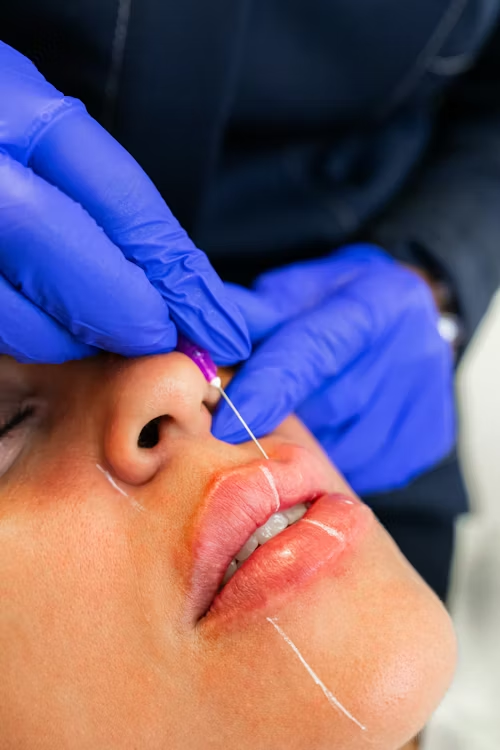
Dermal fillers are injectable substances designed to restore volume and smooth out wrinkles and fine lines on the face. They are often used to fill in areas of the face that have lost volume due to ageing, genetics, or other factors. Dermal fillers can be used to enhance the lips, smooth nasolabial folds, lift sagging cheeks, and improve the overall texture of the skin.
Types of Dermal Fillers
There are several types of dermal fillers, each with its unique properties and uses. One of the most common types is hyaluronic acid fillers. Hyaluronic acid is a substance naturally found in the body, and its primary function is to retain moisture in the skin. These fillers help hydrate the skin, add volume, and reduce the appearance of wrinkles. Another type of dermal filler is calcium hydroxylapatite fillers.
This type of filler is made of microscopic calcium-based crystals suspended in a gel, often used for deeper wrinkles and to add volume to areas such as the cheeks and jawline. Poly-L-lactic acid fillers are used to stimulate collagen production in the skin, improving texture and volume over time.
Lastly, polymethyl methacrylate (PMMA) fillers are permanent fillers, typically used for deep wrinkles and folds. These fillers help stimulate collagen production over time, providing long-lasting results.
How Do Dermal Fillers Work?
Dermal fillers are injected into specific areas of the face using a fine needle. Once injected, the filler adds volume, smooths wrinkles, and creates a youthful, plump appearance. The results are often immediate, and depending on the type of filler used, they can last anywhere from six months to two years.
The procedure is minimally invasive and typically involves little to no downtime, making it a popular option for those looking for a quick solution to address signs of ageing.
What Are Anti-Wrinkle Injections?
Anti-wrinkle injections, often referred to as Botox, are another popular treatment aimed at reducing the appearance of wrinkles. These injections use botulinum toxin to temporarily paralyse the muscles responsible for causing wrinkles. By blocking the signals from the nerves to the muscles, the wrinkles caused by facial expressions such as frowning, squinting, and raising the eyebrows are smoothed out.
How Do Anti-Wrinkle Injections Work?
Anti-wrinkle injections target dynamic wrinkles, which are the lines that appear when facial muscles contract. These treatments are particularly effective for forehead lines, crow’s feet around the eyes, and frown lines between the eyebrows.
The injections are administered using a very fine needle into the targeted muscles, which relaxes them and prevents the formation of new wrinkles. The results typically begin to show within a few days of the treatment and can last anywhere from three to six months, depending on the individual.
Benefits of Anti-Wrinkle Injections
Anti-wrinkle injections provide a quick and effective solution to soften facial wrinkles. One of the key benefits is the minimal downtime. After receiving the injections, most individuals can return to their normal activities immediately.
Anti-wrinkle injections are also a non-surgical treatment, making them less invasive than traditional facelift procedures. Furthermore, they can prevent wrinkles from deepening over time by relaxing the muscles responsible for creating dynamic wrinkles.
Key Differences Between Dermal Fillers and Anti-Wrinkle Injections
While both dermal fillers and anti-wrinkle injections help reduce the appearance of wrinkles, they serve different purposes and work in distinct ways.
Target Areas
Dermal fillers are used primarily to add volume to areas of the face that have lost fullness, such as the cheeks, lips, and under the eyes. They can also be used to fill in deep lines and folds, such as nasolabial folds. On the other hand, anti-wrinkle injections focus on relaxing the muscles responsible for creating dynamic wrinkles, such as those found on the forehead, around the eyes, and between the eyebrows.
Duration of Results
The results from dermal fillers can last anywhere from six months to two years, depending on the type of filler used and the area treated. Anti-wrinkle injections typically last for three to six months, after which the treatment must be repeated to maintain the effects.
Procedure
The procedure for dermal fillers involves injecting a gel-like substance into the skin, which adds volume and smooths wrinkles. Anti-wrinkle injections involve injecting botulinum toxin into the targeted muscles to relax them and prevent further wrinkle formation. Both treatments are minimally invasive and require only minor adjustments to achieve noticeable results.
Why Choose Dermal Fillers and Anti-Wrinkle Injections?
Both dermal fillers and anti-wrinkle injections offer several benefits that make them attractive options for those looking to reduce the signs of ageing. One of the main reasons people opt for these treatments is that they are non-surgical. Unlike facelifts or other invasive procedures, dermal fillers and anti-wrinkle injections do not require significant recovery time.
They are also customisable treatments, meaning they can be tailored to suit each individual’s unique needs. Whether you want to restore volume to your cheeks, smooth out frown lines, or create a more youthful appearance, these treatments can help you achieve your aesthetic goals.
Another significant advantage of dermal fillers and anti-wrinkle injections is the minimal downtime. Most patients can return to their normal activities immediately after the procedure, making it an ideal option for those with busy schedules. When performed by a qualified professional, both dermal fillers and anti-wrinkle injections provide natural-looking results that enhance your features without appearing overdone.
Preparing for Your Dermal Filler or Anti-Wrinkle Injection Treatment
Before undergoing dermal filler or anti-wrinkle injection treatments, it’s important to have a consultation with a qualified practitioner. They will assess your skin and discuss your goals to determine the most appropriate treatment for you. It’s also essential to keep in mind a few preparation tips to ensure the best possible outcome.
Dermal Filler Preparation
Before your dermal filler treatment, it is important to avoid taking blood-thinning medications, such as aspirin, for at least a week. Additionally, it’s recommended to refrain from consuming alcohol for 24 hours before the procedure. If you have any allergies or medical conditions, be sure to inform your practitioner so they can make the necessary adjustments to your treatment plan.
Anti-Wrinkle Injection Preparation
Similar to dermal fillers, it is important to avoid alcohol and blood-thinning medications for a few days before your anti-wrinkle injection treatment. Inform your practitioner of any muscle-related conditions or previous cosmetic procedures you’ve had, as this will help them tailor the treatment to your needs.
Post-Treatment Care
After your dermal filler or anti-wrinkle injection treatment, it’s essential to follow the aftercare instructions provided by your practitioner to ensure optimal results and minimise side effects. While both treatments are minimally invasive, there are some simple precautions you should take.
Dermal Filler Aftercare
Following your dermal filler treatment, avoid massaging the treated areas for at least 24 hours. Also, stay away from excessive heat, such as saunas or hot tubs, for a few days after the procedure. If you experience any swelling or bruising, apply a cold compress to the area to reduce discomfort.
Anti-Wrinkle Injection Aftercare
After receiving anti-wrinkle injections, avoid rubbing or massaging the treated area for at least 24 hours. Additionally, stay upright for the first few hours after the procedure, and refrain from engaging in strenuous exercise for 24 hours to ensure the best possible results.
Frequently Asked Questions
Are Dermal Fillers and Anti-Wrinkle Injections Safe?
Yes, both dermal fillers and anti-wrinkle injections are considered safe when performed by a qualified and experienced practitioner. However, it’s important to choose a reputable clinic to minimise the risk of complications.
How Long Do the Results Last?
The results of dermal fillers can last anywhere from six months to two years, depending on the type of filler used. Anti-wrinkle injections typically last for three to six months, after which the treatment needs to be repeated to maintain the results.
Can Dermal Fillers and Anti-Wrinkle Injections Be Combined?
Yes, many people choose to have both dermal fillers and anti-wrinkle injections as part of their cosmetic treatment plan. The two treatments complement each other and can help achieve a more youthful and rejuvenated appearance.
Conclusion
Dermal filler & anti-wrinkle injections are highly effective treatments for reducing signs of ageing and enhancing facial aesthetics. Whether you’re looking to smooth wrinkles, restore volume, or prevent the formation of new lines, these procedures can provide natural-looking results with minimal downtime.
If you’re considering these treatments, ensure you choose a qualified professional for the best outcome. If you’re looking for a skin clinic near me Frankston, make sure to book a consultation to discuss your needs and desired results.