
The journey of a vehicle does not end when it is no longer roadworthy. Across Australia and beyond, the automotive lifecycle has evolved into a sophisticated network of recovery, reuse, and responsible disposal. With environmental regulations tightening and sustainability becoming a central concern, the way vehicles are collected and processed has transformed significantly.
What once involved simple scrapping has now become a structured industry focused on maximising material recovery while minimising environmental harm.
As urban populations grow and vehicle ownership increases, so does the volume of end-of-life vehicles. This has created a demand for efficient systems that not only remove unwanted cars but also ensure their components are handled in a way that benefits both the economy and the environment. From rural properties to dense metropolitan areas, different pickup models have emerged to meet varied logistical and environmental needs.
Car recycling pickup services now play a crucial role in this ecosystem, acting as the first step in a vehicle’s transition from waste to resource. These services are not uniform; they vary widely depending on the type of vehicle, its condition, location, and the intended recycling outcome.
Understanding the different types of car recycling pickup methods provides insight into how modern waste management systems operate and how individuals can make more informed decisions when disposing of their vehicles.
Local Scrap Yard Collection Services
Standard Pickup Operations
Local scrap yards often provide the most straightforward form of car recycling pickup. These services typically involve towing vehicles directly from residential or commercial locations to nearby processing facilities. The simplicity of this model makes it one of the most commonly used methods, especially for vehicles that are no longer operational.
Accessibility and Coverage
Scrap yard pickups are widely accessible in both urban and regional areas. Their established infrastructure allows them to respond quickly, often offering same-day or next-day collection. This makes them particularly suitable for individuals seeking immediate removal of unwanted vehicles.
Environmental Handling Practices
While traditionally seen as basic operations, many scrap yards have modernised their processes. Fluids such as oil, coolant, and fuel are carefully drained and disposed of according to environmental standards. Metals are sorted and sent for recycling, reducing landfill waste.
Limitations and Considerations
Despite their convenience, scrap yard pickups may not always maximise the value of reusable components. Vehicles are often processed quickly, with less emphasis on salvaging parts for resale compared to more specialised services.
Mobile Car Removal and On-Site Recycling
Fully Equipped Mobile Units
Mobile car removal services have revolutionised the industry by bringing recycling capabilities directly to the vehicle’s location. These units are equipped with tools to dismantle or prepare vehicles on-site, reducing the need for transportation in certain cases.
Efficiency in Urban Environments
In densely populated areas, where towing large vehicles can be challenging, mobile services offer a practical alternative. They can navigate tight spaces and complete pickups without disrupting surrounding traffic or infrastructure.
Immediate Resource Recovery
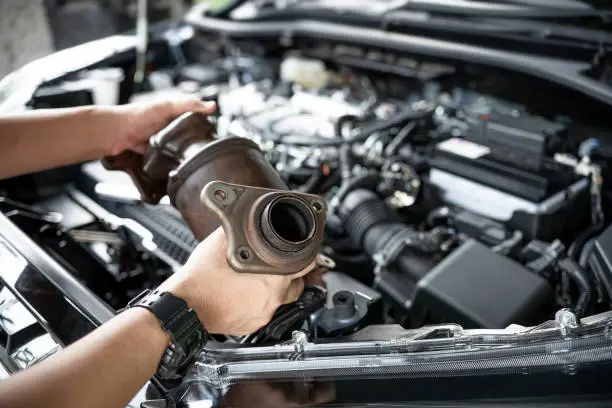
One of the key advantages of mobile recycling is the ability to begin the recovery process immediately. Valuable components such as batteries, catalytic converters, and tyres can be removed on-site, streamlining the overall recycling workflow.
Cost and Operational Factors
While highly efficient, mobile services may involve higher operational costs due to specialised equipment and labour. However, these costs are often offset by the value of recovered materials and the convenience provided to vehicle owners.
Salvage Vehicle Pickup for Parts Reuse
Focus on Component Recovery
Salvage-focused pickup services prioritise the recovery of usable parts rather than complete material recycling. Vehicles collected through this method are typically transported to dismantling facilities where components are carefully removed and catalogued.
Demand for Second-Hand Parts
The market for recycled automotive parts continues to grow, driven by cost-conscious consumers and repair businesses. Salvage pickups support this demand by ensuring that functional components are preserved and reintroduced into the market.
Detailed Inspection Processes
Vehicles collected for salvage undergo thorough inspections to identify viable parts. Engines, transmissions, electronic systems, and interior components are evaluated for reuse, extending the lifecycle of these materials.
Environmental and Economic Benefits
By focusing on reuse, salvage pickups reduce the need for manufacturing new parts, conserving resources and lowering emissions. This approach also provides economic benefits by offering affordable alternatives to new components.
Auction-Based Vehicle Collection Systems
Integration with Insurance and Fleet Services
Auction-based pickups are commonly used for vehicles written off by insurance companies or retired from commercial fleets. These vehicles are collected and transported to auction facilities where they are sold to buyers for repair, dismantling, or recycling.
Structured Collection Logistics
The pickup process in this model is highly organised, often involving scheduled collections and centralised storage locations. This ensures efficient handling of large volumes of vehicles.
Diverse End Outcomes
Vehicles collected through auctions may be restored, stripped for parts, or fully recycled. This flexibility allows for maximum utilisation of each vehicle based on its condition and market demand.
Transparency and Traceability
Auction systems provide detailed records of each vehicle’s history and condition, offering transparency in the recycling process. This traceability is valuable for both buyers and regulatory bodies.
Government and Council-Run Recycling Pickups
Public Environmental Initiatives
Local councils and government agencies often operate car recycling pickup programmes as part of broader environmental initiatives. These services aim to reduce illegal dumping and promote responsible disposal practices.
Community Accessibility
Government-run pickups are typically designed to be accessible to all residents, sometimes offering free or subsidised collection services. This encourages participation and ensures that even low-value vehicles are properly recycled.
Compliance with Regulations
These programmes adhere strictly to environmental regulations, ensuring that all collected vehicles are processed in approved facilities. This minimises environmental risks associated with improper disposal.
Educational Impact
Beyond collection, government initiatives often include educational campaigns to raise awareness about the importance of vehicle recycling and the available pickup options.
Frequently Asked Questions
What factors determine the type of car recycling pickup used?
The choice depends on several factors, including the vehicle’s condition, location, and intended outcome. For example, a non-operational car in a suburban area may be collected by a scrap yard, while a vehicle with reusable parts might be picked up by a salvage service.
Are all car recycling pickup services environmentally friendly?
Most modern services follow environmental guidelines, but the level of sustainability can vary. Government and regulated operators typically adhere to stricter standards, while private services may differ in their processes.
Can I choose which type of pickup service to use?
Yes, vehicle owners can select a service based on their priorities, such as convenience, environmental impact, or financial return. Researching available options helps in making an informed decision.
Conclusion
The landscape of car recycling pickup has expanded far beyond simple towing and scrapping. Each method serves a distinct purpose, from rapid removal and material recovery to detailed component reuse and structured resale systems. This diversity reflects the growing importance of sustainability in the automotive industry and the need for adaptable solutions.
As technology advances and environmental awareness increases, these pickup methods will continue to evolve. Understanding their differences enables more responsible choices, ensuring that vehicles are not merely discarded but transformed into valuable resources within a circular economy.