
There comes a point in every vehicle’s life when repairs outweigh value, and sentiment gives way to practicality. Whether it has failed its last roadworthy inspection or simply sits unused in the driveway, an ageing car still holds hidden worth. Scrapping a vehicle is no longer just about disposal; it has become a legitimate way to recover value from something that seems beyond saving.
The amount you can get for scrapping your old car depends on several factors, including its condition, weight, make, and the current demand for recyclable materials. Many car owners are surprised to learn that even completely non-running vehicles can fetch a reasonable sum. Scrap yards and dismantlers extract usable parts, metals, and materials, ensuring nothing goes to waste.
Old car wreckers play a significant role in this process, offering competitive prices while managing environmentally responsible disposal. Their expertise allows them to assess vehicles accurately and determine what components can be salvaged, resold, or recycled. Understanding how this industry works can help you maximise the return on your unwanted car.
Rather than letting your vehicle deteriorate further, exploring scrap options can provide both financial and environmental benefits. Knowing what influences pricing and how to approach the process makes all the difference.
How Scrap Car Value Is Determined
The Weight of the Vehicle
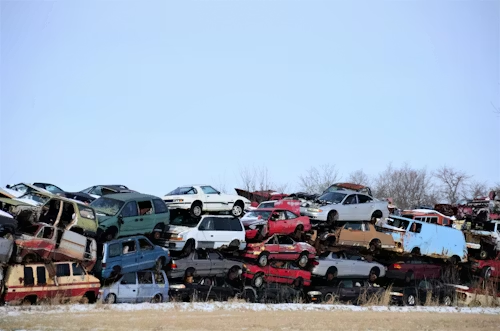
One of the most influential factors in determining scrap value is the weight of the car. Scrap yards typically pay per tonne, meaning heavier vehicles such as SUVs, utes, and larger sedans often yield higher returns. Steel and other metals form the bulk of a vehicle’s composition, and their market price directly impacts what you receive.
The global demand for scrap metal fluctuates, which means the value of your car can change depending on market conditions. When steel prices are high, scrap payouts increase, making it a good time to sell.
Condition and Completeness
While scrap cars are often considered end-of-life, their condition still matters. A complete vehicle with all major components intact is generally worth more than one missing essential parts such as the engine, gearbox, or catalytic converter.
Even damaged vehicles can have valuable parts. Panels, electronics, and mechanical components may still be salvageable, contributing to a higher overall price.
Make, Model, and Age
Certain car brands and models are more valuable in the scrap market due to demand for spare parts. Popular vehicles often have parts that are easier to resell, increasing their worth. Newer vehicles may also contain more valuable materials or components compared to older models.
Luxury or imported cars can sometimes fetch higher prices because of specialised parts, although this varies depending on demand and availability.
Location and Accessibility
Where the vehicle is located can also affect the final offer. If it is difficult to access or requires special towing arrangements, this may reduce the amount you receive. However, many wreckers offer free removal services, which can offset logistical concerns.
The Role of Scrap Metal Prices
Market Fluctuations
Scrap metal prices are not fixed. They are influenced by global supply chains, industrial demand, and economic conditions. When construction and manufacturing industries are thriving, demand for recycled metal increases, driving prices up.
Conversely, during economic downturns, scrap prices may fall. Timing your sale during a high-demand period can significantly improve your payout.
Types of Metals in Cars
Vehicles contain various metals, including steel, aluminium, copper, and sometimes precious metals like platinum in catalytic converters. Each material has its own market value.
Steel makes up the majority of a car’s structure, but components such as wiring and electronics contain copper, which is highly valuable. Catalytic converters can be particularly lucrative due to the rare metals they contain.
Recycling Efficiency
Modern recycling processes are highly efficient, allowing wreckers to extract maximum value from each vehicle. This efficiency contributes to competitive pricing, as less material goes to waste.
The better the recycling technology, the more value can be recovered, benefiting both the buyer and the seller.
How to Maximise the Value of Your Scrap Car
Removing Personal Items and Preparing the Vehicle
Before selling your car for scrap, ensure all personal belongings are removed. While this may seem obvious, many people overlook compartments and storage areas.
Cleaning the vehicle and presenting it in a complete state can also help. While appearance is less critical for scrap, a well-maintained car suggests that parts may still be usable.
Comparing Multiple Quotes
Not all wreckers offer the same price. Contacting several buyers allows you to compare offers and choose the most favourable one. Prices can vary based on each business’s needs and inventory.
Taking the time to gather quotes can result in a noticeably higher return.
Selling Valuable Parts Separately
If you have the knowledge and time, removing and selling certain parts individually can increase overall profit. Items like batteries, tyres, and stereo systems may fetch additional money.
However, this approach requires effort and may reduce the value offered by wreckers if key components are missing.
Timing the Sale
As mentioned earlier, scrap prices fluctuate. Monitoring the market and selling when prices are high can make a meaningful difference.
While it is not always possible to wait, being aware of trends can help you make a more informed decision.
Environmental Benefits of Scrapping Your Car
Reducing Waste
Scrapping vehicles ensures that materials are reused rather than ending up in landfill. Metals are melted down and repurposed, reducing the need for new mining and extraction.
This process significantly lowers environmental impact compared to leaving a car to deteriorate.
Safe Disposal of Hazardous Materials
Cars contain fluids and components that can be harmful to the environment if not handled properly. Oils, coolants, and batteries require careful disposal.
Professional wreckers follow strict regulations to ensure these materials are managed safely, preventing contamination.
Supporting Sustainable Practices
Recycling automotive materials contributes to a circular economy, where resources are reused rather than discarded. This approach conserves energy and reduces greenhouse gas emissions.
By choosing to scrap your car responsibly, you are supporting environmentally sustainable practices.
Encouraging Resource Efficiency
Every scrapped vehicle provides raw materials for new products. This reduces the demand for virgin resources and promotes efficient use of existing materials.
The automotive recycling industry plays a vital role in maintaining this balance.
What to Expect During the Scrapping Process
Initial Assessment and Quote
The process usually begins with a quote based on the vehicle’s details. You may be asked for information such as make, model, condition, and location.
Accurate descriptions help ensure the quote reflects the true value of the car.
Collection and Payment
Many wreckers offer free towing services, collecting the vehicle directly from your location. Payment is often made on the spot, either in cash or via bank transfer.
This convenience makes scrapping an attractive option for those with non-running vehicles.
Documentation Requirements
You will typically need to provide proof of ownership and identification. This ensures the transaction is legitimate and complies with regulations.
Cancelling registration and returning number plates may also be required, depending on local laws.
Final Disposal and Recycling
Once collected, the vehicle is dismantled, and usable parts are removed. Remaining materials are processed for recycling.
This systematic approach ensures maximum value is extracted while minimising environmental impact.
Frequently Asked Questions
How much can I realistically get for my scrap car?
The amount varies widely, typically ranging from a few hundred to several thousand Australian dollars. Factors such as weight, condition, and current scrap metal prices play a significant role in determining the final payout.
Do I need a roadworthy certificate to scrap my car?
No, a roadworthy certificate is not required when scrapping a vehicle. Scrap buyers specialise in non-running and damaged cars, so condition is not a barrier to sale.
Can I scrap a car that is not registered?
Yes, unregistered vehicles can still be scrapped. You will need to provide proof of ownership, and it is advisable to check local regulations regarding number plates and registration cancellation.
Conclusion
Scrapping an old car is not merely about disposal; it is an opportunity to recover value from a vehicle that no longer serves its purpose. By understanding the factors that influence pricing, monitoring market conditions, and choosing reputable buyers, you can maximise your return.
The process is straightforward, environmentally responsible, and often more rewarding than expected. Whether your car is barely running or completely immobile, it still holds worth waiting to be realised.