
Duplex developments have become increasingly popular among homeowners and investors looking to maximise land value and create additional housing opportunities. In many parts of Melbourne, duplex homes are seen as a practical solution for increasing property returns, accommodating extended family members, or making better use of residential land.
Their growing popularity has also led to increased demand for experienced Duplex Home Builders Melbourne who can help property owners turn development ideas into reality.
While duplexes offer many advantages, it is important to understand that they are not the perfect solution for every property owner. Like any residential development, duplex homes come with challenges and limitations that should be carefully considered before construction begins. Focusing only on the benefits can sometimes lead to unrealistic expectations and costly surprises later in the process.
One of the most common questions asked by people considering this type of development is, “What are the disadvantages of a duplex?” The answer depends on individual circumstances, development goals, and property characteristics. However, understanding the potential drawbacks can help property owners make informed decisions and determine whether a duplex is the right investment for their needs.
Understanding Duplex Homes and Their Appeal
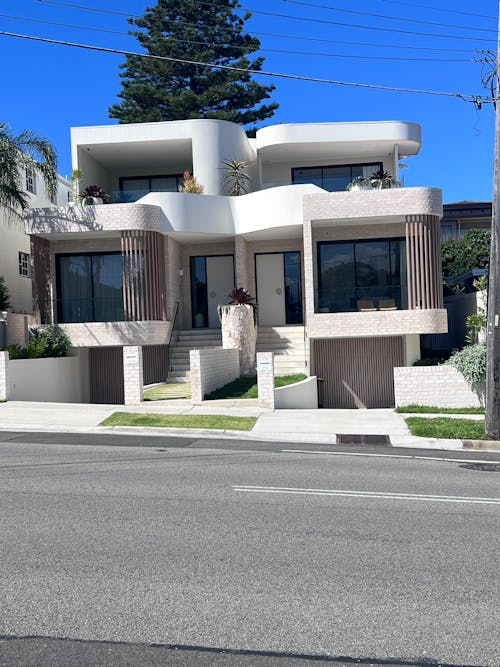
Duplex homes have become an increasingly common feature in residential communities because they provide an efficient way to utilise available land. By creating two separate dwellings on a single block, property owners can often increase rental income, improve resale potential, and maximise development opportunities.
The popularity of duplex developments is driven by a combination of economic and practical factors. Rising property prices, limited land availability, and growing housing demand have encouraged homeowners and investors to explore development options that offer greater flexibility and financial benefits.
Although duplex homes can be highly rewarding investments, understanding both the advantages and disadvantages is essential before committing to a project.
What Is a Duplex Home?
A duplex is a residential property that contains two separate living spaces within a single development. The dwellings may share a common wall and often have separate entrances, kitchens, bathrooms, and living areas. Each residence functions independently while occupying the same parcel of land.
Depending on local regulations, duplexes may be sold separately, rented individually, or retained under a single ownership structure. This flexibility is one of the reasons they are attractive to both homeowners and property investors.
The design and layout of duplex homes can vary significantly, allowing developers to create solutions that suit different land sizes and market demands.
Why Duplex Developments Are Popular in Melbourne
Melbourne’s growing population and increasing demand for housing have contributed to the popularity of duplex developments. Property owners are often attracted by the opportunity to generate additional income or increase the overall value of their land.
Many investors view duplexes as a way to maximise returns without purchasing additional properties. Homeowners may also choose duplex developments to accommodate family members while maintaining privacy and independence.
Despite these benefits, there are important disadvantages that should be considered before proceeding with construction.
The Financial Challenges of Building a Duplex
One of the first areas that prospective developers should evaluate is the financial commitment involved in a duplex project. While duplexes can offer long-term rewards, they often require substantial upfront investment and careful financial planning.
Construction costs, professional fees, permits, infrastructure upgrades, and site preparation expenses can quickly add up. Understanding these financial challenges is essential for determining whether a duplex project is financially viable.
Many property owners underestimate the true cost of development, which can lead to unexpected pressure during construction.
Higher Construction Costs Compared to a Single Home
One of the most significant disadvantages of a duplex is the higher construction cost compared to building a single dwelling. Although some infrastructure and land expenses may be shared, building two residences naturally requires more materials, labour, and planning.
Additional costs may include separate utility connections, increased engineering requirements, and more complex construction processes. These expenses can significantly increase the overall project budget.
Property owners should carefully assess construction costs before deciding whether a duplex development aligns with their financial goals.
Increased Borrowing and Financing Requirements
Financing a duplex project often requires a larger loan than a standard residential build. Lenders may impose stricter requirements due to the project’s increased complexity and financial risk.
Higher borrowing levels can result in larger repayments and greater financial exposure during construction. Property owners must ensure they have sufficient financial capacity to manage these commitments throughout the development process.
Careful budgeting and financial planning are essential for reducing the risks associated with increased borrowing.
Limited Privacy Compared to Detached Homes
Privacy is an important consideration for many homeowners, and this is one area where duplexes may present challenges. Because duplex residences are located close together and often share structural elements, occupants may experience a reduced sense of privacy compared to detached homes.
While modern designs attempt to minimise these issues through thoughtful layouts and soundproofing measures, complete separation is rarely possible. Understanding these limitations can help set realistic expectations before construction begins.
Privacy concerns may affect both homeowners and future tenants, depending on how the property is used.
Shared Walls and Noise Transfer
One of the most commonly cited disadvantages of duplex living is the potential for noise transfer between residences. Shared walls can allow sounds from neighbouring occupants to travel between dwellings if appropriate soundproofing measures are not implemented.
Everyday activities such as conversations, television use, and household appliances may become noticeable depending on the quality of construction. While experienced duplex home builders in Melbourne often incorporate acoustic solutions, some level of noise transmission may still occur.
This issue can affect comfort and overall satisfaction for occupants seeking a quiet living environment.
Reduced Separation Between Residents
Detached homes typically provide greater physical separation between neighbours. In contrast, duplex residences are built in proximity, which can sometimes create a feeling of reduced personal space.
Outdoor areas, driveways, and shared boundaries may contribute to this perception. While many people adapt comfortably to duplex living, others may prefer the greater privacy associated with standalone homes.
Considering personal lifestyle preferences is important when evaluating whether a duplex is the right housing option.
Planning and Approval Complexities
Developing a duplex often involves more complex planning and approval processes than building a single home. Local councils may impose specific requirements relating to land use, setbacks, parking, open space, and neighbourhood character.
Navigating these regulations can be time-consuming and may require the involvement of various consultants and professionals. Understanding these complexities is important for avoiding delays and unexpected costs.
Proper planning is essential for improving the likelihood of a successful development outcome.
Stricter Council Requirements
Duplex developments are often subject to more detailed planning assessments than standard residential builds. Councils may require additional documentation, design modifications, or specialist reports before approving.
Meeting these requirements can extend project timelines and increase professional fees. Property owners should factor these considerations into their overall development plans.
Working with experienced duplex home builders can help simplify the approval process and improve compliance outcomes.
Longer Approval Timeframes
Obtaining planning and building approvals for a duplex can take longer than expected. Additional reviews, consultations, and regulatory requirements may contribute to extended approval periods.
Delays in obtaining permits can affect project schedules and create uncertainty regarding construction commencement dates. Property owners should be prepared for the possibility of a longer planning process.
Allowing sufficient time for approvals helps reduce stress and supports more realistic project expectations.
Challenges Related to Property Management
For investors planning to rent out duplex residences, property management considerations are another potential disadvantage. Managing two dwellings on the same property can involve additional responsibilities and administrative requirements.
While rental income may increase, so too can the demands associated with maintenance, tenant relationships, and property oversight. Understanding these challenges helps investors prepare more effectively.
Effective management strategies are important for maximising the long-term success of duplex investments.
Increased Maintenance Responsibilities
A duplex contains two separate residences, which means there are more fixtures, appliances, and building components to maintain. Over time, maintenance requirements may increase compared to a single dwelling.
Property owners must be prepared to address repairs, landscaping, and general upkeep for both residences. These responsibilities can impact ongoing operating costs and time commitments.
Regular maintenance is essential for preserving property value and tenant satisfaction.
Potential Tenant Conflicts
When both residences are occupied by tenants, conflicts may occasionally arise regarding noise, parking, shared spaces, or property boundaries. These issues can create management challenges for landlords.
Clear property rules and effective communication can help minimise disputes, but some conflicts may still occur. Property owners should be prepared to address these situations promptly and professionally.
Good management practices contribute to a more positive living environment for all occupants.
Market Risks and Resale Considerations
Like any property investment, duplex developments are subject to market conditions and economic influences. While duplexes can offer strong financial returns, they are not immune to fluctuations in buyer demand and property values.
Understanding market risks helps property owners make more informed investment decisions. Evaluating local demand and long-term trends is an important part of development planning.
Market conditions can influence both rental performance and future resale opportunities.
Limited Appeal to Certain Buyers
Not every buyer is interested in a duplex property. Some individuals prefer detached homes because they offer greater privacy, larger outdoor areas, and a stronger sense of independence.
This narrower buyer pool can sometimes affect resale opportunities depending on local market conditions. Property owners should consider the preferences of their target market when planning a duplex development.
Understanding buyer demand can improve the likelihood of achieving desired financial outcomes.
Dependence on Local Property Trends
The success of a duplex investment often depends on local property market conditions. Changes in housing demand, interest rates, and economic factors can influence property values and rental returns.
Market fluctuations may affect the profitability of a development, particularly if the project is heavily reliant on future resale value. Conducting thorough market research before construction begins can help reduce investment risks.
Long-term planning is essential for navigating changing market conditions successfully.
How Experienced Duplex Home Builders Help Reduce These Challenges
Although duplex developments present certain disadvantages, many of these challenges can be managed effectively with the right professional support. Experienced duplex home builders in Melbourne understand the complexities of dual-occupancy projects and can provide valuable guidance throughout the process.
Their expertise often helps property owners avoid common mistakes and improve overall project outcomes. From planning and design to construction and compliance, professional builders play an important role in reducing development risks.
Choosing the right builder can make a significant difference to both the building experience and the finished result.
Better Design and Space Planning
Experienced builders understand how to create layouts that maximise privacy, functionality, and land use efficiency. Thoughtful design can help address many of the concerns associated with duplex living.
Features such as strategic room placement, acoustic insulation, and private outdoor areas contribute to improved comfort and livability. Effective planning helps minimise some of the disadvantages commonly associated with duplex developments.
Good design can significantly enhance the overall appeal of a duplex property.
Professional Project Management
Managing a duplex development requires coordination between multiple trades, consultants, and regulatory authorities. Professional builders oversee these activities and help keep projects organised and efficient.
Their experience can reduce delays, improve quality control, and ensure compliance with planning requirements. Effective project management contributes to a smoother development process and better long-term outcomes.
Working with experienced professionals provides greater confidence throughout every stage of construction.
Frequently Asked Questions
What are the disadvantages of a duplex?
Common disadvantages include reduced privacy, shared walls, higher construction costs, more complex planning approvals, increased maintenance responsibilities, and potential market limitations compared to detached homes.
Is a duplex a good investment?
A duplex can be a strong investment when carefully planned and located in a desirable area. However, investors should evaluate costs, market conditions, and long-term objectives before proceeding.
Can a good builder reduce the disadvantages of a duplex?
Yes. Experienced duplex home builders can improve design efficiency, incorporate privacy features, manage approvals effectively, and ensure high-quality construction that addresses many common concerns.
Conclusion
Duplex developments offer many advantages, including increased land utilisation, additional income opportunities, and greater flexibility for homeowners and investors.
However, it is equally important to recognise the disadvantages associated with this type of development. Higher construction costs, privacy concerns, planning complexities, management responsibilities, and market risks are all factors that should be considered carefully before committing to a project.
Working with experienced duplex home builders in Melbourne can help minimise many of these challenges and improve the overall success of a development. Their expertise in design, planning, construction, and project management provides valuable support throughout the process. By understanding both the benefits and disadvantages of duplex living, property owners can make informed decisions that align with their financial goals and lifestyle needs.