
Modern homes are designed for comfort, functionality, and efficiency, yet many homeowners seek ways to introduce more character and personality into their living spaces. Heritage interior design offers the perfect balance between timeless elegance and contemporary convenience, allowing homeowners to create interiors that feel both sophisticated and welcoming.
Rather than replicating the past entirely, heritage-inspired interiors draw upon traditional craftsmanship, architectural detailing, and classic materials while adapting them for modern lifestyles. This approach creates homes with a sense of history and authenticity without compromising practicality. The result is a space that feels enduring and meaningful rather than influenced by passing design trends.
Many homeowners turn to sources such as The Home of Heritage for inspiration when exploring ways to incorporate timeless design principles into their interiors. The appeal of heritage design lies in its ability to celebrate craftsmanship, preserve traditional aesthetics, and create spaces that remain beautiful for generations.
From elegant mouldings and natural timber finishes to carefully selected furnishings and heritage-inspired colour palettes, there are countless ways to introduce traditional charm into a modern home. These design ideas demonstrate how heritage influences can transform contemporary interiors into spaces rich with warmth, style, and character.
Bringing Architectural Character Back into Modern Homes
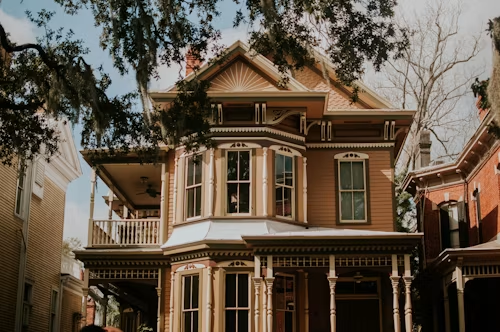
Preserving Decorative Details
Architectural detailing forms the foundation of heritage interior design. Features such as ornate cornices, decorative ceiling roses, wall mouldings, and traditional archways instantly create a sense of refinement and history within a space. These details add depth and visual interest that modern minimalist interiors often lack.
In older properties, preserving existing architectural elements helps maintain authenticity while enhancing the overall value of the home. Even in newly built residences, introducing heritage-inspired mouldings and trims can create a timeless atmosphere that feels established and elegant.
Celebrating Original Features
Many heritage homes contain original elements that contribute significantly to their charm. Fireplaces, timber beams, stained glass windows, and decorative joinery provide a unique sense of identity that cannot easily be replicated. Restoring these features rather than replacing them allows homeowners to honour the building’s history while integrating modern comforts around them.
Enhancing Interiors with Natural Materials
The Timeless Appeal of Timber
Timber remains one of the most important materials in heritage-inspired interiors. Its warmth, texture, and durability make it a versatile choice for flooring, cabinetry, wall panelling, and furniture. Rich timber tones create a welcoming environment while adding visual depth to a room.
Whether used in traditional parquetry flooring or contemporary timber cabinetry, natural wood introduces a sense of craftsmanship that aligns perfectly with heritage design principles. Timber also ages beautifully, developing character over time and contributing to the home’s long-term appeal.
Incorporating Stone and Natural Surfaces
Natural stone has been used in architecture and interior design for centuries. Materials such as marble, limestone, and sandstone add elegance and permanence to a space while reinforcing heritage influences. Stone fireplaces, benchtops, and feature walls create striking focal points that blend seamlessly with both traditional and modern interiors.
Using natural materials throughout the home helps establish a connection to traditional building methods while enhancing the overall sense of authenticity.
Creating Depth Through Heritage Colour Schemes
Choosing Colours with Lasting Appeal
Colour plays an essential role in shaping the atmosphere of a home. Heritage-inspired interiors often feature rich and sophisticated tones that evoke warmth and comfort. Deep greens, navy blues, muted burgundies, warm terracottas, and soft creams remain popular choices because they provide depth without overwhelming a space.
These colours work particularly well in living rooms, dining areas, and bedrooms where a welcoming and intimate environment is desired. Their timeless quality ensures they remain relevant regardless of changing design trends.
Balancing Tradition with Modern Simplicity
While heritage colours are often bold and expressive, modern interiors benefit from balance. Pairing traditional shades with contemporary furnishings and uncluttered layouts creates harmony between old and new. This combination allows heritage influences to shine while maintaining a fresh and practical aesthetic suitable for modern living.
Using Heritage-Inspired Lighting as a Feature
Selecting Statement Fixtures
Lighting provides an excellent opportunity to reinforce heritage character within a home. Chandeliers, pendant lanterns, decorative sconces, and traditional wall lights introduce elegance while serving as focal points within a room.
Materials such as brass, bronze, and wrought iron complement heritage aesthetics and bring a sense of craftsmanship to the interior. Carefully selected lighting can dramatically influence the overall atmosphere while enhancing architectural details.
Creating Warm and Inviting Spaces
Heritage interiors are known for their welcoming ambience. Achieving this effect often requires a layered lighting approach that combines overhead fixtures with lamps and accent lighting. This strategy creates softer illumination throughout the home and highlights important design features while contributing to a comfortable environment.
Transforming Walls with Heritage Elements
Adding Decorative Wall Panelling
Wall panelling remains one of the most effective ways to introduce heritage charm into a modern home. Traditional styles such as wainscoting, shaker panelling, and decorative moulded panels add texture and sophistication while creating visual structure within a room.
These treatments work particularly well in entryways, dining rooms, studies, and bedrooms, where architectural detailing can significantly elevate the overall design.
Incorporating Traditional Wallpaper Designs
Wallpaper continues to play an important role in heritage interiors. Floral patterns, botanical motifs, and classic geometric designs add character and visual interest while reflecting traditional decorative styles.
When used thoughtfully, wallpaper can create a striking focal point without overwhelming the room. Modern printing techniques also allow homeowners to enjoy heritage-inspired designs with improved durability and quality.
Selecting Furniture with History and Character
Mixing Antique and Contemporary Pieces
A successful heritage-inspired interior often combines traditional and modern furnishings. Antique tables, vintage cabinets, and classic armchairs add authenticity and individuality while contemporary pieces ensure comfort and practicality.
This balance prevents interiors from feeling overly formal or outdated. Instead, the combination creates a layered and curated appearance that reflects personal style and appreciation for craftsmanship.
Investing in Quality Craftsmanship
Heritage design places strong emphasis on quality materials and expert workmanship. Well-crafted furniture often features intricate detailing, durable construction, and timeless appeal. Investing in quality pieces not only enhances the aesthetic of a home but also contributes to its longevity and value.
Furniture that has been built to last aligns perfectly with the heritage philosophy of preserving and celebrating enduring design.
Elevating Spaces Through Traditional Flooring
Choosing Classic Timber Floors
Timber flooring remains a hallmark of heritage interiors. Wide timber boards, parquetry patterns, and polished hardwood surfaces create a strong foundation for traditional and contemporary spaces alike. Their natural warmth and elegance make them a preferred choice for homeowners seeking timeless style.
Timber floors also complement a wide range of colour palettes and furnishings, allowing flexibility in interior design while maintaining heritage character.
Introducing Decorative Heritage Tiles
Heritage-inspired tiles can transform kitchens, bathrooms, and entryways into visually captivating spaces. Traditional patterns and handcrafted finishes add personality while paying tribute to historical design influences.
Modern manufacturing techniques ensure these tiles offer the durability required for contemporary living while retaining their classic appearance.
Layering Interiors with Heritage Textiles
Creating Comfort Through Fabric Selection
Textiles play a crucial role in heritage interior design. Natural fabrics such as linen, cotton, wool, and velvet introduce softness and texture while enhancing comfort throughout the home.
Curtains, upholstery, cushions, and throws contribute to a layered aesthetic that feels inviting and refined. Carefully selected textiles help balance architectural features and create a cohesive interior scheme.
Embracing Traditional Patterns
Traditional patterns continue to hold a strong place within heritage-inspired spaces. Florals, stripes, checks, and botanical prints bring visual interest and reinforce the timeless character of the design.
When paired with contemporary furnishings and restrained colour schemes, these patterns feel sophisticated rather than dated. This combination creates interiors that respect tradition while remaining relevant to modern lifestyles.
Designing Kitchens with Enduring Heritage Appeal
Incorporating Classic Cabinetry
The kitchen often serves as the centre of family life, making it an ideal space for heritage-inspired design. Shaker-style cabinetry, detailed joinery, and traditional hardware introduce timeless elegance while supporting practical functionality.
These features create a sense of craftsmanship and permanence that enhances the overall character of the home. Their enduring popularity demonstrates their ability to adapt across different design eras.
Integrating Modern Functionality
While heritage aesthetics are important, modern kitchens must also accommodate contemporary living requirements. Integrated appliances, efficient storage solutions, and durable surfaces ensure practicality without compromising style.
By combining traditional cabinetry with modern conveniences, homeowners can enjoy the best of both worlds while maintaining a cohesive design vision.
Creating Elegant Heritage Bathrooms
Introducing Traditional Fixtures
Bathrooms offer another opportunity to embrace heritage-inspired design. Freestanding baths, traditional tapware, and classic vanity units create a luxurious atmosphere while reflecting timeless elegance.
These features serve as focal points that elevate the overall design and contribute to a sense of relaxation and sophistication.
Choosing Authentic Finishes
Natural stone, porcelain, and marble remain popular choices for heritage bathrooms because of their enduring beauty and durability. Decorative mirrors, heritage-style lighting, and carefully selected accessories further enhance the traditional character of the space.
Together, these elements create bathrooms that feel refined, comfortable, and timeless.
Extending Heritage Style Beyond the Interior
Creating Cohesion Between Indoor and Outdoor Spaces
A truly successful heritage-inspired home extends its design language beyond interior walls. Verandahs, decorative balustrades, traditional paving, and architectural detailing help establish continuity between indoor and outdoor environments.
This cohesive approach strengthens the home’s identity and enhances its overall visual appeal.
Designing Gardens with Timeless Elegance
Landscaping can significantly contribute to a property’s heritage character. Structured garden layouts, established plantings, and thoughtfully designed pathways create outdoor spaces that feel mature and welcoming.
By embracing traditional garden principles, homeowners can complement their heritage-inspired interiors and create a harmonious connection between architecture and nature.
Frequently Asked Questions
What is heritage interior design?
Heritage interior design is a style that incorporates traditional architectural elements, classic materials, and timeless decorative features inspired by historical homes. It focuses on preserving craftsmanship and creating interiors with lasting character.
Can heritage design work in modern homes?
Yes. Heritage design works exceptionally well in modern homes when traditional features are combined with contemporary layouts, furnishings, and technology. This approach creates a balanced interior that feels both timeless and functional.
Which materials are commonly used in heritage interiors?
Timber, natural stone, marble, linen, wool, and handcrafted finishes are commonly used in heritage interiors. These materials contribute warmth, durability, and authenticity while reinforcing the timeless appeal of the design.
Conclusion
Heritage interior design continues to resonate with homeowners because it offers a timeless alternative to rapidly changing design trends. By incorporating traditional architectural details, natural materials, quality craftsmanship, and carefully selected furnishings, modern homes can achieve a sense of warmth, character, and authenticity that remains appealing for years to come.
The most successful heritage-inspired interiors do not attempt to recreate the past exactly. Instead, they thoughtfully blend historical influences with contemporary functionality to create spaces that feel elegant, practical, and deeply personal. This balance allows homeowners to enjoy the beauty of traditional design while meeting the demands of modern living.