
Every product purchased online, stocked on a retail shelf, or delivered to a construction site has travelled through a carefully managed freight network before reaching its destination. Freight transportation is the backbone of local, national, and international trade, connecting manufacturers, suppliers, warehouses, retailers, and customers through efficient logistics systems.
As industries continue to expand and customer expectations evolve, understanding the different types of freight has become increasingly important for businesses looking to improve efficiency and maintain reliable supply chains. Organisations seeking freight expertise, industry insights, and logistics career opportunities can explore freightpeople.com.au/ to learn more about Australia’s dynamic freight and logistics sector.
Freight management involves much more than simply moving goods from one location to another. Every shipment requires careful planning, appropriate transportation methods, regulatory compliance, accurate documentation, and coordination between multiple logistics professionals. Choosing the right freight solution directly affects delivery speed, transportation costs, cargo safety, and overall customer satisfaction.
One of the most frequently asked questions is, “What are the four types of freight?” The four primary types of freight are road freight, rail freight, sea freight, and air freight. Each mode of transport serves different purposes depending on the cargo, delivery timeframe, distance, and budget. Businesses often combine multiple freight methods within a single supply chain to maximise efficiency while meeting customer expectations.
Understanding these four freight types helps businesses select the most suitable transportation solution for their products and operational requirements.
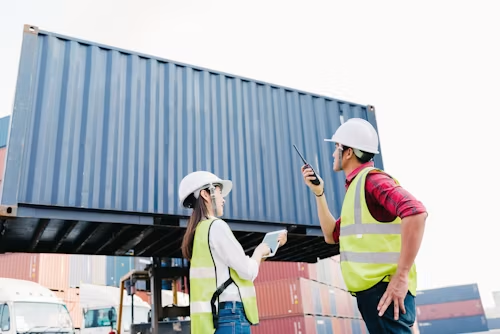
Why Freight Transportation Is Essential
Freight transportation keeps businesses operating efficiently.
Raw materials must reach manufacturers, finished products need to be distributed to retailers, online orders must be delivered to customers, and exports require reliable international transport. Every successful supply chain depends on effective freight planning and coordination.
Efficient freight services support economic growth while helping businesses remain competitive.
What Are the Four Types of Freight?
Each freight method offers unique advantages depending on shipment requirements.
Road Freight
Road freight is one of the most widely used freight transportation methods in Australia.
Trucks transport goods between warehouses, factories, distribution centres, retail stores, construction sites, and residential customers. Road freight offers exceptional flexibility because vehicles can access locations that may not be directly connected by rail, ports, or airports.
It is particularly suitable for domestic deliveries, regional transport, and last-mile distribution.
Benefits of Road Freight
Road transport provides flexible scheduling and direct delivery.
Businesses can transport small or large shipments while adjusting delivery routes according to changing customer needs. Road freight also supports express services and time-sensitive deliveries.
Its versatility makes it one of the most commonly used freight solutions.
Common Road Freight Cargo
Road freight transports retail goods, food products, construction materials, furniture, manufacturing components, machinery, consumer products, and general commercial freight.
Many industries rely on daily road transport to maintain supply chain continuity.
Rail Freight
Rail freight provides an efficient solution for transporting large freight volumes over long distances.
Australia’s extensive rail network supports the movement of bulk commodities, agricultural products, mining materials, and containerised freight between major cities and regional areas.
Rail transport is particularly effective for high-volume shipments requiring consistent scheduling.
Benefits of Rail Freight
Rail freight offers excellent carrying capacity while reducing fuel consumption per tonne transported.
Businesses moving large quantities of goods often benefit from lower transportation costs and improved environmental performance.
Rail also experiences less road congestion than truck transport.
Common Rail Freight Cargo
Rail commonly transports coal, grain, minerals, steel, timber, fuel, shipping containers, and industrial products.
Bulk freight movements frequently rely on rail infrastructure.
Sea Freight
Sea freight plays a vital role in international trade.
Ships transport enormous volumes of cargo between countries while supporting global supply chains. Although sea transport generally takes longer than air freight, it remains one of the most economical methods for moving large shipments internationally.
Ports serve as major gateways connecting Australian businesses with overseas markets.
Benefits of Sea Freight
Sea freight offers exceptional capacity for oversized, heavy, or bulk cargo.
Shipping costs per unit are often significantly lower than air transport, making sea freight highly suitable for businesses importing or exporting large product volumes.
International trade depends heavily on maritime logistics.
Common Sea Freight Cargo
Sea freight transports vehicles, machinery, consumer goods, raw materials, building supplies, electronics, clothing, chemicals, food products, and shipping containers.
Most international commercial trade relies on ocean transportation.
Air Freight
Air freight provides the fastest transportation option available.
Businesses use aircraft to transport urgent, valuable, or time-sensitive shipments domestically and internationally. Although air freight generally involves higher transportation costs, the speed of delivery often justifies the investment.
Industries requiring rapid delivery frequently depend on air cargo services.
Benefits of Air Freight
Air transport significantly reduces delivery times.
Businesses shipping medical supplies, pharmaceuticals, electronics, emergency parts, luxury goods, and perishable products benefit from faster transit.
Air freight also provides high levels of shipment security.
Common Air Freight Cargo
Air freight commonly transports medical equipment, pharmaceuticals, electronics, high-value retail goods, confidential documents, fresh produce, flowers, and urgent industrial components.
Speed makes air freight particularly valuable for critical deliveries.
Comparing the Four Freight Types
Each transportation method offers different advantages.
Speed
Air freight delivers goods the fastest.
Road freight provides flexible domestic transport, rail efficiently handles large inland shipments, while sea freight offers economical international transportation for bulk cargo.
The appropriate choice depends on delivery priorities.
Cost
Sea freight generally provides the lowest cost per unit for international bulk shipments.
Rail offers cost-effective inland transport for high volumes, while road freight balances flexibility with affordability. Air freight typically represents the highest transportation cost due to its speed.
Businesses evaluate costs alongside delivery requirements.
Capacity
Sea freight carries the largest cargo volumes.
Rail also supports substantial freight quantities, while road freight accommodates varying shipment sizes. Air freight generally handles smaller, higher-value cargo.
Shipment characteristics determine the most suitable transport mode.
Accessibility
Road freight offers the greatest accessibility because trucks can reach most delivery locations directly.
Rail, sea, and air transport often require additional road transport for first-mile and last-mile delivery.
Combining multiple freight methods creates efficient multimodal logistics solutions.
Factors That Influence Freight Selection
Businesses consider several factors when selecting transportation methods.
Delivery Timeframes
Urgent deliveries often require air freight.
Routine shipments may use road, rail, or sea transport depending on distance and customer requirements.
Shipment Size
Large bulk shipments frequently suit rail or sea transport.
Smaller shipments often travel by road or air.
Product Characteristics
Fragile, hazardous, oversized, temperature-controlled, or high-value goods require specialised transportation solutions.
Freight planning ensures cargo receives appropriate handling.
Budget
Transportation costs influence freight decisions.
Businesses balance delivery speed with available budgets to achieve optimal value.
Technology Improving Modern Freight Operations
Technology continues transforming freight transportation.
Freight Management Systems
Freight management software automates shipment planning, dispatching, carrier selection, tracking, invoicing, and reporting.
Automation improves operational efficiency.
GPS Tracking
Real-time tracking allows businesses and customers to monitor freight throughout its journey.
Visibility improves communication while supporting proactive decision-making.
Route Optimisation
Advanced software identifies efficient delivery routes.
Optimised transport reduces fuel consumption and delivery times.
Business Analytics
Operational dashboards help businesses evaluate freight costs, delivery performance, carrier reliability, and shipment trends.
Data supports continuous improvement.
Why Skilled Freight Professionals Matter
Successful freight transportation depends on experienced logistics professionals.
Freight coordinators, dispatchers, warehouse teams, drivers, transport planners, customs specialists, and supply chain managers work together to ensure goods move safely and efficiently.
Their expertise helps businesses maintain reliable operations while responding quickly to changing customer needs.
Frequently Asked Questions
What are the four types of freight?
The four primary types of freight are road freight, rail freight, sea freight, and air freight. Each transportation method offers different advantages based on shipment size, delivery speed, distance, cargo type, and budget.
Which type of freight is the fastest?
Air freight is the fastest transportation method and is commonly used for urgent, high-value, or time-sensitive shipments that require rapid delivery.
Which freight option is the most economical?
Sea freight is generally the most economical option for transporting large international shipments, while rail freight offers cost-effective inland transportation for bulk cargo. The most suitable option depends on shipment requirements and delivery timelines.
Conclusion
Efficient freight transportation is fundamental to keeping products moving throughout Australia’s domestic and international supply chains. Understanding the four types of freight—road, rail, sea, and air—allows businesses to select the most appropriate transportation method based on speed, cost, cargo type, and delivery requirements.
Each mode plays a unique role in supporting modern commerce while helping organisations maintain reliable and efficient operations.
Businesses and professionals looking to explore career opportunities, industry expertise, and freight insights can visit freightpeople.com.au/ to learn more about Australia’s freight and logistics sector. As supply chains continue evolving through digital technology, automation, and increased customer expectations, understanding freight transportation remains essential for building resilient, efficient, and future-ready logistics operations.