
Building defect inspections are crucial for identifying potential issues in your property that could lead to costly repairs. These inspections provide property owners with a proactive approach to safeguarding their investment.
In this article, we will focus on how these inspections save you money by identifying defects early, preventing further damage, and offering clear solutions to fix minor issues before they escalate.
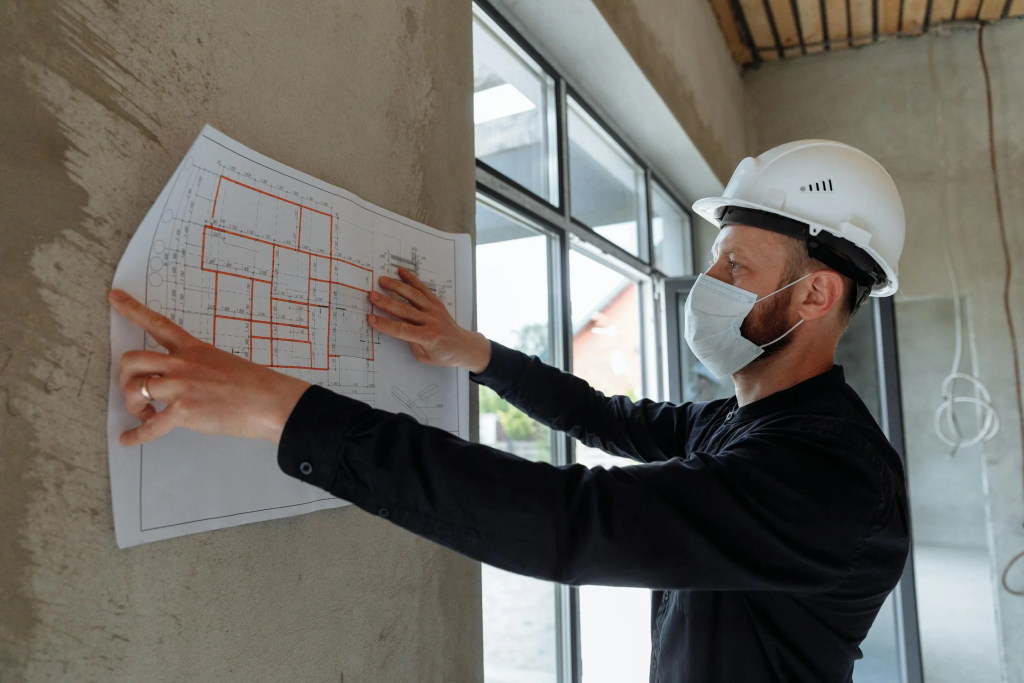
Get the facts on how inspections can benefit your property by visiting our website.
How Do Building Defect Inspections Save You Money?
Building defect inspections can save property owners significant amounts of money in the long run by identifying potential problems early and helping to avoid costly repairs.
Early Detection Of Problems
Many defects in a building are not visible immediately. Over time, minor issues can grow into significant problems. For example, a small crack in the foundation can eventually lead to structural instability, which is much more expensive to repair than fixing the crack early.
A building defect inspection uncovers these hidden issues early, allowing property owners to take preventative measures before the problems worsen.
Example: Plumbing Leaks
Plumbing leaks often remain undetected behind walls or under floors. These leaks can cause water damage, mould growth, and even structural deterioration. Identifying these leaks early through an inspection can save you from dealing with expensive repairs, such as replacing damaged wood or fixing mould issues.
Preventing Further Damage
When minor defects are left unaddressed, they can cause a chain reaction of damage. For example, a leak in the roof can lead to water damage in the ceiling, which, if left unchecked, could weaken the structural integrity of the property. Fixing minor defects before they cause additional damage can save you money on expensive repairs.
Example: Roof Leaks
A minor roof leak can quickly lead to significant damage, including water stains, mould, and even structural failure. Early detection through a building defect inspection allows you to fix the issue before it escalates, saving you from costly roof repairs or a complete replacement.
Reducing Repair Costs
Sometimes, property owners spend money on unnecessary repairs. Building defect inspections provide a clear understanding of which areas require attention and which do not. This ensures that you only spend money on necessary repairs, avoiding costly and unnecessary fixes.
Example: Cosmetic Vs. Structural Issues
Some issues in a property may seem concerning, but are cosmetic. A building defect inspection can distinguish between cosmetic problems, such as minor cracks in the plaster or peeling paint, and structural defects, including foundation issues.
This helps you prioritise repairs and avoid spending money on things that do not affect the property’s safety.
Avoiding Major Structural Repairs
Some defects, if left undetected, can compromise the entire structure of a property. Issues such as foundation cracks, termite damage, or structural weaknesses may not be visible at first glance, but can cause extensive damage if left unaddressed.
A building defect inspection allows you to catch these problems early, preventing the need for major structural repairs that could cost thousands of dollars.
Example: Foundation Cracks
Foundation issues, like cracks in the walls or floor, are serious problems that can cause the entire building to shift or settle. Detecting these cracks early through a building defect inspection allows for minor repairs that are much less expensive than the cost of fixing a major foundation problem.
Improving Property Value
A well-maintained property with no significant defects is more attractive to potential buyers. Suppose you are planning to sell your property. In that case, a building defect inspection can help ensure that your property is in good condition, allowing you to avoid surprises during the buyer’s inspection. A well-maintained property typically fetches a higher sale price.
Example: Pre-Sale Inspections
Before selling a property, it’s a good idea to have a building defect inspection done. If any defects are found, you can fix them in advance, ensuring that the sale process goes smoothly. This can help you secure a higher sale price and avoid negotiations over repair costs.
Enhancing Energy Efficiency
Building defect inspections are not just about structural integrity; they also cover areas that impact your property’s energy efficiency. Issues like gaps in insulation, leaking windows, or inefficient HVAC systems can lead to higher energy bills.
By identifying these issues during an inspection, you can implement the necessary improvements to reduce energy costs.
Example: Insulation Issues
Proper insulation is key to maintaining a comfortable temperature in your home and reducing energy consumption. A building defect inspection can identify areas where insulation is lacking or damaged.
Resolving these issues can help you lower your heating and cooling costs, ultimately saving you money on your energy bills.
Peace Of Mind
Knowing that your property is free from hidden defects provides peace of mind. Whether you’re a property owner or a potential buyer, having an inspection done helps you understand the true condition of the property, reducing the stress of unexpected repairs or costly issues.
Example: Stress-Free Property Ownership
For property owners, knowing that there are no significant defects gives peace of mind. You can rest easy, knowing that the building is in good condition and that you’ve taken the necessary steps to prevent expensive repairs down the road.
What Does A Building Defect Inspection Include?
Building defect inspections are comprehensive and cover a wide range of areas. Key components typically include:
- Structural Integrity: The inspector checks for cracks in the foundation, walls, and columns, and looks for signs of settlement or structural weaknesses.
- Roofing: The inspector checks for roof damage, leaks, and issues with flashing or shingles.
- Plumbing: Inspectors look for signs of leaks, blockages, and damaged pipes.
- Electrical Systems: The wiring, outlets, and electrical panels are inspected for safety and functionality.
- Windows and Doors: Inspectors check for water damage, drafts, and sealant issues.
- Interior and Exterior Finishes: The condition of walls, ceilings, flooring, and finishes is examined for any damage.
Conclusion
Building defect inspections are an essential part of property maintenance. They help property owners identify problems early, prevent further damage, reduce repair costs, and avoid major structural issues.
Regular inspections can save you significant amounts of money over time by identifying and addressing defects before they become costly repairs. Whether you’re buying a property, selling, or maintaining your own, investing in a building defect inspection is a wise decision.
Frequently Asked Questions
What Is The Main Purpose Of A Building Defect Inspection?
A building defect inspection aims to identify hidden issues in a property’s structure that may not be visible to the naked eye. This helps property owners detect minor problems early, preventing them from escalating into costly repairs. Inspectors assess key areas, including the foundation, roof, plumbing, and electrical systems, to ensure the property is safe and sound.
How Can Building Defect Inspections Save Me Money In The Long Run?
Building defect inspections save money by identifying problems early, before they worsen into major and expensive repairs. For example, detecting plumbing leaks or foundation cracks early can prevent costly damage, such as mould growth or structural instability. Addressing these issues promptly helps avoid extensive repairs, ultimately saving property owners significant sums.
Do Building Defect Inspections Cover Energy Efficiency Issues?
Yes, building defect inspections not only check structural elements but also assess energy efficiency. Inspectors may identify issues such as inadequate insulation, leaking windows, or inefficient heating, ventilation, and air conditioning (HVAC) systems. Addressing these issues can enhance the property’s energy efficiency, resulting in lower heating and cooling costs over time.