
Boxing classes are an excellent way for kids to develop physical strength and essential life skills such as confidence and discipline. The sport is renowned for its emphasis on technique, stamina, and mental fortitude, making it an ideal way for children to develop self-control and learn to handle both victories and setbacks.
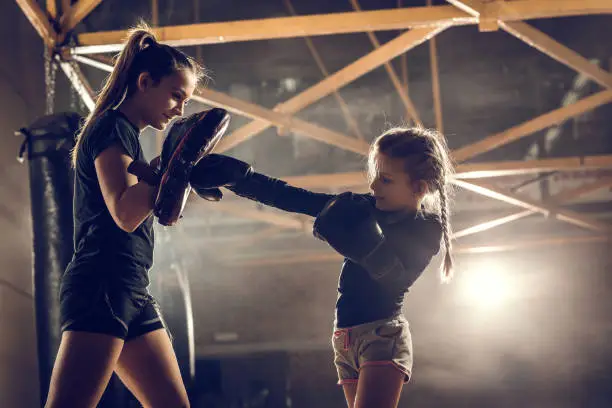
In this article, we will examine how boxing can help children develop these essential qualities and how the structure of boxing classes fosters personal growth.
Check out the explanation on our website for more detailed insights and helpful resources.
The Role Of Boxing In Building Confidence
One of the most significant benefits of boxing is the improvement in confidence that kids experience. The process of mastering new techniques and seeing their progress over time helps children develop a sense of self-belief and pride.
Mastering Skills And Achieving Goals
Boxing is built around mastering skills in stages. Kids learn basic punches, footwork, and defensive moves before advancing to more complex techniques. As they improve, they gain a sense of accomplishment, which boosts their self-esteem.
- Kids set small, achievable goals in each class.
- Progressing through these goals builds a child’s confidence.
- Success in boxing reinforces the idea that effort leads to improvement.
This continual progression encourages kids to keep working hard, reinforcing that success comes from effort and persistence. In turn, this helps them feel proud of their achievements, which fuels their self-esteem.
For many children, this feeling of accomplishment spills over into other areas of life, such as school, where they become more motivated to strive for excellence.
Overcoming Challenges
Boxing, like any sport, presents challenges. Whether it’s learning to throw a punch correctly or maintaining composure under pressure, kids face obstacles that require persistence and resilience.
- Children learn to persevere through difficulties.
- The sport teaches them not to give up easily.
- Overcoming obstacles in boxing gives them the confidence to handle other challenges in life.
The ability to overcome challenges in boxing teaches kids resilience. For instance, if a child fails to execute a move perfectly, they will have to keep practising until they get it right. This teaches them that setbacks are a natural part of growth and that persistence is key.
As kids overcome obstacles in the ring, they develop confidence in their ability to face challenges, whether in sports, school, or social settings.
Boxing Classes And Discipline
Discipline is another key component of boxing. In a boxing class, kids are expected to follow instructions, stay focused, and work hard. These principles of discipline can be applied outside of the gym, contributing to positive behavioural changes in other areas of life.
Structure And Routine
Boxing classes follow a clear structure and routine. This helps kids understand the importance of consistency and responsibility. Whether it’s punctuality or practising techniques, kids learn that discipline is an essential part of success.
- Boxing classes typically begin with a warm-up, followed by technique practice, and conclude with conditioning exercises.
- This structure teaches kids the value of commitment and time management.
- Learning to follow a routine can lead to better behaviour at school and home.
The structured environment of boxing classes helps children develop a sense of responsibility and discipline. They are taught the importance of being on time, preparing for class, and fulfilling their commitments.
The predictable nature of the classes allows kids to feel more secure and focused, which helps them internalise the discipline required to succeed. Over time, this sense of routine translates into other areas of their life, such as school, homework, and family obligations.
Respect For Others
In boxing, respect for the trainer, fellow boxers, and the sport itself is fundamental. Kids learn to listen carefully, follow instructions, and treat others with respect, whether they are sparring partners or competitors.
- Kids are taught to respect their opponents and teammates.
- They learn how to handle both wins and losses with humility and grace.
- This respect extends beyond the ring and into their daily lives.
Respect is a central theme in boxing. Children are taught that they must respect their trainer’s instructions and their fellow boxers, whether they are training or competing. By learning to respect others, kids not only become more empathetic and understanding but also gain a greater sense of social responsibility.
This respect for others, along with the understanding that boxing requires a strong moral code, can positively impact a child’s behaviour both inside and outside the gym.
Focus And Self-Control
The concentration required in boxing teaches kids how to stay focused on a task. This self-control helps them to resist distractions and stay disciplined when it matters most.
- Boxing encourages kids to stay focused on their training and avoid distractions from outside factors.
- Through consistent practice, kids develop better self-control both in and out of the gym.
- This discipline allows them to stay on track with their academic work and other responsibilities.
In boxing, focus is paramount. Whether it’s staying alert during a sparring session or concentrating on the rhythm of punches, boxing forces kids to stay present in the moment. This level of focus encourages kids to develop their self-control, learning to block out distractions.
The discipline gained from boxing classes often translates to improvements in other areas of life, such as academic performance. Kids who have learned how to focus during intense training sessions tend to do better with their homework and other tasks that require sustained attention.
The Long-Term Benefits Of Boxing For Kids
The skills kids develop in boxing classes can have a lasting impact on their lives. Confidence and discipline are not only important for their athletic development but also for their personal growth. By cultivating these qualities, boxing classes prepare kids to face the challenges of adulthood with greater resilience and determination.
Developing A Strong Work Ethic
Boxing requires kids to put in consistent effort to see progress. The work ethic they develop through boxing can serve them well in other areas of their lives, such as academics, extracurricular activities, and eventually, their careers.
By learning to approach challenges with a strong sense of discipline, kids are equipped to handle the demands of life outside of the boxing gym.
- Kids learn the importance of effort and persistence.
- The work ethic they develop in boxing prepares them for success in other areas.
- They learn that success comes from sustained effort over time.
This solid work ethic instilled by boxing can make a huge difference in a child’s ability to succeed later in life. Whether they pursue a career in sports, academics, or any other field, the lessons of commitment and effort learned in boxing will serve them throughout their journey.
Improving Social Skills And Emotional Intelligence
Though we’ve already touched on respect and focus, boxing classes also teach kids about emotional intelligence. They learn how to handle disappointment when they lose a match or a sparring session. More importantly, they also learn to handle their emotions in a way that helps them stay calm under pressure, making decisions from a place of clarity and control.
- Kids learn how to manage emotions in competitive situations.
- They develop emotional resilience, which helps in social and academic settings.
- The ability to stay calm and make decisions under pressure helps them in all aspects of life.
This emotional intelligence is a critical skill that many children develop through sports, especially boxing. The ability to regulate their emotions in high-pressure situations translates to better decision-making, more positive relationships with others, and the ability to handle life’s inevitable challenges with grace and poise.
Conclusion
Boxing classes provide kids with more than physical fitness—they help build confidence and discipline significantly. Children develop key life skills that will serve them well throughout their lives by mastering boxing techniques, overcoming challenges, and learning respect for others.
Whether boosting self-esteem, teaching perseverance, or encouraging focus and self-control, boxing offers a structured environment that fosters personal growth. As children continue their boxing journey, they gain valuable experiences that enhance their athleticism and strengthen their character, preparing them for success in all aspects of life.
Frequently Asked Questions
How Do Boxing Classes Help Kids Build Self-Confidence?
Boxing classes help kids build self-confidence by providing them with achievable goals and the opportunity to see their progress over time. As they learn and master new skills, kids gain a sense of accomplishment that boosts their self-esteem. Additionally, boxing teaches children to overcome challenges, which builds their belief in their abilities and helps them feel more confident in different aspects of their lives.
What Kind Of Discipline Does Boxing Teach Kids?
Boxing instils discipline by requiring kids to follow structured routines, listen to instructions, and stay focused on their goals. The sport teaches them the importance of hard work, perseverance, and respect for others, both in and outside the ring. Through consistent training, children learn to manage their time, stay committed, and handle setbacks with resilience, applying these principles to their everyday lives.
Are Boxing Classes Suitable For Kids Of All Skill Levels?
Yes, boxing classes are suitable for kids of all skill levels. Whether your child is a complete beginner or has some experience in sports, boxing provides a structured environment where they can learn at their own pace. Trainers tailor instruction to each child’s abilities, ensuring that they are challenged appropriately while building confidence and skills in a step-by-step manner.