
Your wedding dress is more than a beautiful garment. It represents one of the most meaningful days of your life and often becomes a treasured keepsake that holds memories for generations. Whether you intend to preserve it as a family heirloom or simply want to keep it in perfect condition, proper care after the wedding is just as important as choosing the dress itself.
Many people assume that placing a wedding dress in a wardrobe or covering it with a plastic bag is enough to keep it safe. Unfortunately, moisture, dust, sunlight and poor storage conditions can gradually damage delicate fabrics, intricate lace and decorative embellishments. Even a dress that appears clean can develop stains or fabric discolouration if it is not stored correctly.
One of the most effective ways to safeguard your gown is by using a high-quality wedding dress storage box designed specifically for long-term preservation. Unlike ordinary storage containers, purpose-built solutions help minimise exposure to environmental elements while supporting delicate fabrics in a way that reduces stress on the material over time.
Learning how to protect your wedding dress from moisture and dust ensures that it remains just as beautiful years after your celebration. From understanding environmental risks to selecting the right storage method, every step contributes to preserving the elegance, texture and sentimental value of your gown.
Why Moisture and Dust Are the Biggest Threats to Wedding Dresses
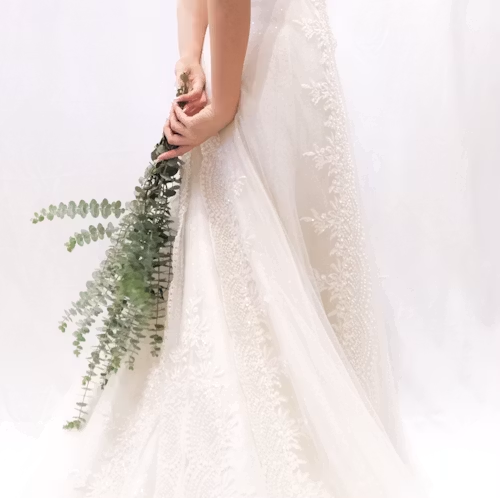
Moisture Can Cause Permanent Fabric Damage
Moisture is one of the leading causes of deterioration in wedding dresses. Humid environments encourage mould and mildew growth, particularly on natural fibres such as silk, cotton and certain lace materials. Even synthetic fabrics can suffer from unpleasant odours and staining when exposed to excessive humidity.
Small amounts of trapped moisture may not be noticeable immediately, but over months or years they can weaken fibres, create yellow patches and permanently alter the texture of delicate fabrics. This is especially concerning for dresses with multiple layers, intricate embroidery or hand-sewn embellishments where moisture can become trapped between fabrics.
Keeping the gown completely dry before storage is essential. After professional cleaning, the dress should be thoroughly aired according to preservation recommendations before being placed into long-term storage.
Dust Gradually Breaks Down Delicate Materials
Dust appears harmless, but over time it settles into fabric fibres and decorative details. Tiny particles become embedded in lace, beading and embroidery, making future cleaning more difficult.
Dust also attracts airborne pollutants and oils that may slowly stain lighter fabrics. When left untouched for years, these particles contribute to dullness, discolouration and fibre wear that cannot always be reversed.
Protecting the gown from dust begins with enclosing it in an appropriate storage solution rather than leaving it exposed inside wardrobes or spare rooms.
Environmental Conditions Matter More Than Most People Realise
Temperature fluctuations, direct sunlight and poor ventilation often work together with moisture and dust to accelerate ageing.
Attics, garages and sheds experience dramatic changes in temperature and humidity throughout the year. These conditions increase the likelihood of mould growth, fabric brittleness and fading. Even wardrobes located on external walls may become damp during colder months.
A stable indoor environment with consistent temperature and low humidity provides the best protection for long-term dress preservation.
Preparing Your Wedding Dress Before Long-Term Storage
Arrange Professional Cleaning Promptly
Many wedding stains are invisible immediately after the celebration. Sweat, perfume, body oils, champagne, white wine and sugar residues may not show until months later when oxidation causes yellow or brown marks to appear.
Professional cleaning shortly after the wedding removes hidden contaminants before they permanently bond with the fabric. Delaying cleaning increases the risk of stains becoming impossible to remove.
Specialist cleaning methods also account for delicate embellishments, lace, sequins and different fabric types to minimise the chance of accidental damage.
Inspect Every Detail Carefully
Before storing the gown, inspect it carefully under natural light. Examine hems, bodices, sleeves, trains and underskirts for loose stitching, missing beads or small tears.
Addressing minor repairs immediately prevents further deterioration while the dress remains in storage. Even loose threads can become larger problems when fabrics shift over time.
Taking photographs during the inspection also creates a useful record of the dress’s condition for future reference.
Ensure the Dress Is Completely Dry
Even after cleaning, the dress should never be packed away while any moisture remains.
Residual dampness hidden inside layered skirts or thick lace can encourage mould development inside enclosed storage. Allowing sufficient drying time before storage significantly reduces this risk.
Dry conditions remain one of the simplest yet most effective ways to preserve delicate fabrics for decades.
Choosing the Best Storage Solution for Long-Term Protection
Acid-Free Materials Help Preserve Fabrics
Ordinary cardboard boxes contain acids that slowly transfer into fabrics, causing yellowing and weakening fibres over time.
Acid-free storage materials create a safer environment by reducing chemical reactions that contribute to ageing. Acid-free tissue paper is commonly used to support folds and prevent sharp creases while limiting unnecessary pressure on delicate fabrics.
These specialised materials help preserve both colour and structural integrity during long-term storage.
Breathable Storage Is Better Than Plastic
Plastic garment bags may appear protective, but they often trap moisture inside. Condensation becomes more likely when temperatures fluctuate, increasing the risk of mildew and unpleasant odours.
Breathable storage materials allow gentle air circulation while still shielding the dress from dust. This balance creates healthier conditions for delicate fabrics over extended periods.
Proper airflow reduces moisture build-up without exposing the gown to environmental contaminants.
Support the Dress to Reduce Stress on Fabrics
Heavy wedding dresses can place considerable strain on shoulders and seams if left hanging for years.
Supporting the gown within a preservation box distributes weight more evenly across the garment. Soft acid-free tissue cushions folds and prevents excessive pressure that may otherwise create permanent creases or stretched areas.
This approach is particularly beneficial for gowns with long trains, intricate beading or substantial layered skirts.
Creating the Ideal Storage Environment at Home
Keep the Dress Away from Direct Sunlight
Ultraviolet light gradually fades fabrics and weakens fibres even when exposure seems minimal.
Storage locations should remain dark for most of the year. Bedrooms, internal wardrobes and climate-controlled storage areas generally provide more suitable conditions than spaces exposed to sunlight through windows.
Reducing light exposure helps preserve both bright white fabrics and ivory tones.
Maintain Stable Temperature and Humidity
Consistency is one of the most important aspects of fabric preservation.
Rapid changes between hot and cold conditions encourage condensation and material expansion. Stable indoor temperatures reduce stress on delicate fibres while limiting opportunities for moisture accumulation.
If the local climate is particularly humid, a dehumidifier may help maintain suitable indoor conditions without directly affecting the storage container.
Store the Dress Off the Floor
Placing the storage box directly on the floor increases exposure to accidental spills, flooding, dust and insects.
Elevating the dress on a shelf inside a wardrobe or cupboard provides additional protection from everyday household risks. It also reduces contact with fluctuating floor temperatures that may contribute to condensation.
A clean, elevated storage location offers greater long-term security.
Common Storage Mistakes That Can Ruin a Wedding Dress
Leaving the Dress in the Original Dry Cleaning Plastic
Many dry cleaners return garments inside thin plastic covers designed only for temporary transport.
These covers are not intended for long-term preservation because they can trap humidity and restrict airflow. Over time, moisture accumulation increases the likelihood of mould growth and fabric deterioration.
Replacing temporary coverings with proper preservation storage offers much greater protection.
Ignoring the Dress for Many Years
Although a well-preserved gown requires minimal handling, occasional inspections remain beneficial.
Checking the dress every year or two allows you to identify potential issues before they become serious. During inspection, avoid unnecessary handling and ensure clean hands or cotton gloves are used to prevent transferring oils onto the fabric.
Routine monitoring helps maintain confidence that the dress remains in excellent condition.
Using Household Storage Containers
Standard plastic tubs, cardboard cartons and vacuum-sealed bags are rarely suitable for preserving delicate wedding dresses.
Household containers may contain chemicals that affect fabric, while vacuum sealing compresses delicate embellishments and creates sharp creases that are difficult to remove.
Purpose-designed preservation methods provide significantly better long-term protection for valuable garments.
How Proper Preservation Keeps Your Dress Beautiful for Future Generations
Preserving Sentimental Value
Wedding dresses often become treasured family heirlooms passed from one generation to another.
Maintaining the gown in excellent condition allows future family members to appreciate not only its beauty but also the memories connected with it. Even if the dress is never worn again, it represents an important part of family history.
Careful preservation protects those memories as much as it protects the fabric itself.
Supporting Future Alterations or Displays
Fashion trends evolve, and future generations may choose to alter or redesign parts of a vintage gown while preserving its original character.
A well-preserved dress offers far more possibilities for careful restoration or creative reuse than one damaged by moisture, mould or improper storage.
Maintaining excellent fabric condition provides flexibility for whatever plans may arise.
Protecting Your Investment
Wedding dresses often represent a significant financial investment in addition to their emotional value.
Proper preservation reduces the risk of expensive restoration work caused by preventable environmental damage. Simple storage decisions made today can save considerable time, money and disappointment in the future.
Looking after the gown carefully ensures that its beauty, craftsmanship and value remain intact for many years.
Frequently Asked Questions
How soon should I clean my wedding dress after the wedding?
It is best to arrange professional cleaning as soon as possible after your wedding. Prompt cleaning removes visible and invisible stains before they become permanent and prepares the gown for safe long-term storage.
Can I store my wedding dress in a regular wardrobe?
A wardrobe may be suitable if it remains dry, cool and away from direct sunlight. However, the dress should still be stored inside an appropriate preservation box using acid-free materials rather than being left exposed or hanging indefinitely.
How often should I check my stored wedding dress?
Inspecting the dress every one to two years is generally recommended. Keep handling to a minimum and ensure the storage environment remains clean, dry and stable while checking for any signs of moisture, pests or fabric changes.
Conclusion
Protecting your wedding dress from moisture and dust begins with understanding the risks that everyday environmental conditions present. Proper cleaning, breathable storage, acid-free materials and a stable indoor environment all work together to preserve delicate fabrics and intricate details.
Small preventative measures today can make a remarkable difference years into the future. Whether your goal is to keep the gown as a cherished memory, pass it down through your family or simply preserve its original beauty, investing in proper storage and careful preservation ensures your wedding dress remains as elegant as the day you wore it.