
A biventricular pacemaker is a medical device implanted to improve the heart’s electrical function, particularly in patients suffering from heart failure. This treatment can significantly improve heart function and relieve symptoms associated with heart failure.
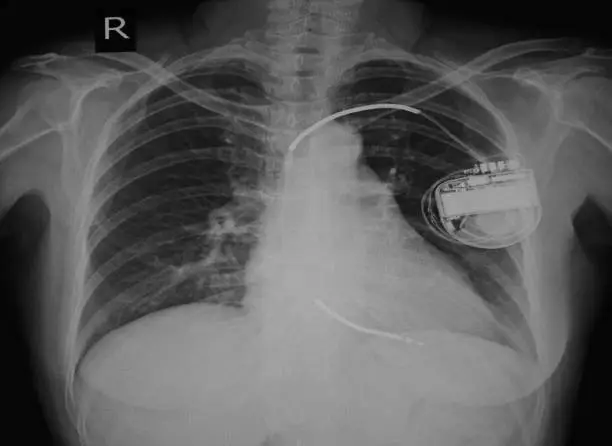
In this article, we’ll focus on the key benefits of biventricular pacemaker implantation and how it can improve the quality of life for those with certain heart conditions.
For more detailed information and assistance, visit our official site.
The Benefits Of Biventricular Pacemaker Implantation
Biventricular pacemaker implantation offers multiple benefits for patients with heart failure, ranging from improved heart function to a better overall quality of life. Below, we explore the key advantages in detail.
Improved Heart Function
One of the main benefits of a biventricular pacemaker is its significant improvement in heart function. By helping to synchronise the contractions of the heart’s ventricles, the pacemaker ensures that blood is pumped more efficiently throughout the body.
For patients with systolic heart failure, where the heart struggles to pump enough blood, the pacemaker’s assistance in regulating the heart’s rhythm can drastically improve heart performance.
- Enhanced blood flow: Better synchronisation of the ventricles pumps blood more efficiently to vital organs, improving oxygen delivery and reducing strain on the heart.
- Improved cardiac output: The blood the heart pumps per minute is essential for the body’s overall health.
Reduction In Heart Failure Symptoms
Patients with heart failure often experience debilitating symptoms such as fatigue, shortness of breath, and fluid retention. A biventricular pacemaker helps to reduce these symptoms by improving the heart’s efficiency in pumping blood.
- Decreased fluid retention: When the heart pumps more effectively, the body retains less fluid, which helps reduce swelling in the legs, abdomen, and other areas.
- Reduced shortness of breath: As the heart works more efficiently, less fluid is in the lungs, which reduces the feeling of breathlessness.
- Less fatigue: Improved blood flow means that muscles and tissues receive more oxygen, which helps reduce fatigue and increases energy levels.
The pacemaker can significantly improve patients’ quality of life by restoring normal heart function.
Increased Exercise Tolerance
One of the most noticeable effects of a biventricular pacemaker is improved exercise tolerance. Heart failure patients often experience extreme fatigue, making physical activity difficult. With the pacemaker improving heart function, patients can engage in physical activities more easily.
- Improved endurance: Because the pacemaker helps the heart pump blood more efficiently, patients can exercise longer without fatigue.
- More active lifestyle: Increased exercise tolerance helps patients live a more active lifestyle, which can benefit their overall health, not just heart function.
This increased ability to engage in physical activities can be a life-changing benefit for many patients.
Enhanced Quality Of Life
The most profound benefit of a biventricular pacemaker is improving the overall quality of life. Heart failure symptoms can be debilitating, and many patients struggle to carry out simple daily tasks. After a pacemaker implant, many people can resume normal activities with less discomfort.
- Ability to perform daily activities: Simple tasks like walking, climbing stairs, and grocery shopping become much easier as the pacemaker restores normal heart function.
- Reduced hospitalisations: As heart function improves and symptoms decrease, many patients experience fewer hospitalisations. This can significantly reduce healthcare costs and interruptions to daily life.
- Better mental well-being: Chronic illness can take a toll on mental health. By alleviating the physical symptoms of heart failure, patients may experience less anxiety and depression, leading to an overall improvement in mental health.
Reduced Hospitalisations
For individuals with severe heart failure, frequent hospital admissions can be a regular part of life. The symptoms of heart failure—fluid retention, shortness of breath, and fatigue—can worsen over time, often requiring emergency intervention. By improving the heart’s function and reducing these symptoms, a biventricular pacemaker can help reduce the frequency of hospitalisations.
- Fewer emergency visits: Patients with their heart failure symptoms under control are less likely to require emergency treatment or frequent hospital visits.
- Better management of heart failure: The pacemaker’s ability to improve heart function helps patients manage their condition more effectively, potentially reducing the need for other interventions.
Reducing hospital visits can significantly improve a patient’s quality of life and reduce the burden on healthcare systems.
Better Long-Term Survival
Numerous studies have shown that biventricular pacemaker implantation can lead to better long-term survival rates, particularly for patients with advanced heart failure. By improving the heart’s ability to pump blood, the pacemaker can extend life expectancy in people whose heart failure is otherwise poorly managed with medication alone.
- Improved life expectancy: The pacemaker’s ability to restore proper synchronisation of the heart’s contractions leads to a more effective pumping action, which can help prolong life.
- Reduced mortality risk: Studies have found that patients with severe heart failure who receive biventricular pacemaker implants have a lower risk of death compared to those who do not have the device.
This benefit is significant for those with advanced stages of heart failure, where survival rates are typically lower.
Who Is A Candidate For Biventricular Pacemaker Implantation?
Not everyone with heart failure is suitable for a biventricular pacemaker. Candidates typically have specific characteristics, such as:
- Moderate to severe heart failure: Biventricular pacemakers are most beneficial for patients with moderate to severe heart failure, especially those in stages III or IV.
- Dyssynchrony of the heart’s ventricles: The device is ideal for patients whose ventricles do not beat in sync, which is common in heart failure patients.
- Low ejection fraction: An ejection fraction (EF) lower than 35% is often a requirement for implantation, as it indicates the heart is struggling to pump blood effectively.
- Unresponsive to medical treatment: This advanced device may benefit patients who have not responded well to conventional treatments, such as medications or traditional pacemaker therapy.
A thorough evaluation by a cardiologist is required to determine if a biventricular pacemaker is the right option.
Conclusion
Biventricular pacemaker implantation is a highly effective treatment for patients with heart failure. It offers a range of benefits that can significantly improve heart function, reduce symptoms, and enhance overall quality of life. The advantages are clear, from better exercise tolerance to reduced hospitalisation and improved survival rates.
If you or a loved one is suffering from heart failure and considering this treatment, consult with your healthcare provider to determine if a biventricular pacemaker is the right choice. The potential for a better quality of life and extended survival makes it a valuable option for many patients.
Frequently Asked Questions
What Is The Difference Between A Biventricular Pacemaker And A Regular Pacemaker?
A biventricular pacemaker is designed to synchronise the left and right ventricles of the heart, which is particularly beneficial for patients with heart failure and conduction disorders. In contrast, a regular pacemaker typically only stimulates the right side of the heart. By improving the coordination between both ventricles, a biventricular pacemaker enhances overall heart function and reduces symptoms of heart failure.
How Long Does It Take To Recover After Biventricular Pacemaker Implantation?
Recovery time varies, but most patients can resume normal activities within a few weeks after the procedure. The initial recovery period usually involves avoiding strenuous activities for a short time. Still, patients are encouraged to follow up with their healthcare provider for regular check-ups to ensure the pacemaker functions correctly.
Are There Any Lifestyle Changes Required After Getting A Biventricular Pacemaker?
While most patients can resume regular activities after recovery, they may need to avoid certain activities initially, such as lifting heavy objects or participating in contact sports. Additionally, regular follow-up appointments are essential to monitor the pacemaker’s function and make necessary adjustments, ensuring the best possible results from the device.