
Heel pain is one of the most common foot problems affecting people of all ages. Whether it appears first thing in the morning or after a long day on your feet, it can disrupt daily life and make even simple tasks uncomfortable.
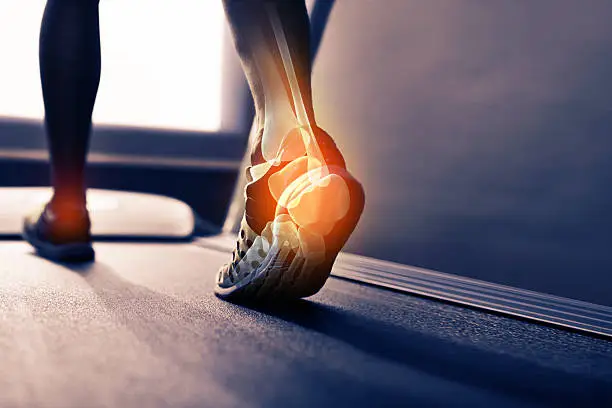
One practical support that many find useful is plantar fasciitis socks, which provide gentle compression and relief for inflamed tissues. This article explains the top causes of heel pain and how to find relief through both self-care and professional treatment.
Common Causes of Heel Pain
Plantar Fasciitis
Plantar fasciitis is the leading cause of heel pain. It occurs when the thick band of tissue connecting the heel bone to the toes becomes irritated or inflamed.
People often describe a sharp pain in the heel, especially when taking the first steps after getting out of bed in the morning. Long hours of standing, poor footwear, or sudden increases in activity can trigger this condition.
Heel Spurs
Heel spurs are bony growths that form on the underside of the heel bone. They often develop as a result of long-term stress on the foot muscles and ligaments.
While some heel spurs cause no pain, others can press on soft tissues and cause significant discomfort. They are commonly associated with plantar fasciitis.
Achilles Tendinitis
Achilles tendinitis occurs when the tendon at the back of the ankle becomes irritated or inflamed. This tendon connects the calf muscles to the heel bone and can become painful due to overuse, tight calf muscles, or repetitive strain.
Runners and athletes are particularly prone to this problem.
Bursitis
Bursitis is inflammation of the fluid-filled sac (bursa) that cushions bones and tendons near joints. In the heel, it often develops at the back of the heel bone, where the Achilles tendon inserts. Wearing tight shoes or repetitive motion can irritate the bursa and cause swelling and pain.
Stress Fractures
Stress fractures are small cracks in the bone caused by repetitive force, often from running or jumping. Heel pain from a stress fracture tends to worsen with activity and improves with rest. Unlike soft tissue problems, stress fractures need time and reduced load to heal properly.
Contributing Risk Factors
Poor Footwear
Shoes without proper cushioning or arch support place excess stress on the heel and plantar fascia. Wearing worn-out trainers, high heels, or flat thongs for long periods can aggravate heel pain.
Weight and Activity Levels
Carrying extra body weight increases the load on the heels. Similarly, sudden increases in exercise intensity or frequency can strain the structures in the foot. Both factors can contribute to ongoing heel pain.
Foot Mechanics
Flat feet, high arches, or abnormal walking patterns affect how weight is distributed across the foot. These biomechanical issues can strain the heel and surrounding tissues.
Signs and Symptoms of Heel Pain
Morning Pain
Heel pain that feels sharp during the first steps out of bed is a typical sign of plantar fasciitis. The tissue tightens overnight and becomes painful when stretched again.
Swelling and Warmth
Inflammation of the heel structures can cause swelling, redness, or warmth. This is more common in bursitis or severe plantar fasciitis.
Pain After Activity
Some people find their heel pain increases after a workout rather than during it. This delayed pain can indicate overuse injuries such as Achilles tendinitis.
Diagnosis and Medical Assessment
A healthcare professional may use several methods to identify the cause of heel pain:
- Physical examination: checking for tenderness, swelling, and foot mechanics.
- Imaging tests: X-rays or ultrasound can reveal heel spurs, fractures, or tendon damage.
- Medical history: discussing lifestyle, footwear, and daily habits.
Early diagnosis helps prevent the problem from becoming chronic.
How to Find Relief from Heel Pain
Rest and Activity Modification
Reducing or avoiding activities that worsen the pain is often the first step. Short rest periods throughout the day allow inflamed tissues to heal.
Ice Therapy
Applying an ice pack for 15–20 minutes can reduce inflammation and numb pain. Rolling the heel over a frozen water bottle is a simple way to apply cold therapy.
Supportive Footwear
Well-cushioned shoes with good arch support can reduce stress on the heel. Replacing worn-out shoes regularly is important, especially for runners.
Stretching and Strengthening
Regular stretching exercises for the calves and plantar fascia help relieve tightness. Strengthening the foot and ankle muscles improves stability and reduces the risk of recurrence.
Professional Treatments
Orthotics
Custom or prefabricated orthotic inserts can provide extra support and improve foot alignment. These devices are particularly helpful for people with flat feet or high arches.
Physical Therapy
Physiotherapists use targeted stretches, strengthening exercises, and manual therapy to reduce pain and restore function. They may also use taping techniques to offload stress from the heel.
Medications
Non-steroidal anti-inflammatory drugs (NSAIDs) can relieve pain and reduce swelling. They are often recommended for short-term use.
Injections
For persistent cases, corticosteroid injections may be given to reduce inflammation. However, these are usually considered only after other treatments fail.
Shockwave Therapy
Extracorporeal shockwave therapy uses sound waves to stimulate healing in chronic plantar fasciitis or tendinitis cases. It is a non-invasive procedure performed in a clinic.
Surgery
Surgery is rarely needed but may be an option for severe cases that do not respond to conservative treatment. Procedures can include removing heel spurs or releasing part of the plantar fascia.
Preventing Heel Pain
Maintain a Healthy Weight
Reducing excess body weight lowers the stress placed on the heels and improves overall foot health.
Choose Proper Footwear
- Shoes with firm heel counters
- Adequate arch support
- Shock-absorbing midsoles
These features protect the heel from impact and strain.
Warm-Up and Cool-Down
Stretching before and after activity reduces tension in the calf and Achilles tendon, lowering the risk of injury.
Gradual Increases in Activity
Avoid sudden jumps in exercise intensity. Progressively building up strength and endurance reduces the chance of overuse injuries.
Home Remedies for Heel Pain Relief
Massage
Massaging the arch and heel area with a tennis ball can help release tight tissues.
Night Splints
Wearing a splint that keeps the foot flexed overnight prevents the plantar fascia from tightening during sleep.
Compression Gear
Using supports such as compression sleeves or plantar fasciitis socks can reduce swelling and provide steady relief during daily activities.
When to Seek Medical Help
Heel pain that does not improve after a few weeks of home care should be assessed by a healthcare professional. Seek immediate medical attention if:
- The pain is severe and sudden.
- There is visible swelling or bruising.
- Walking becomes difficult.
- Pain persists despite rest and footwear changes.
Conclusion
Heel pain is a common condition with many potential causes, ranging from plantar fasciitis to stress fractures. The good news is that most cases respond well to rest, proper footwear, stretching, and supportive devices.
By understanding the top causes of heel pain and how to find relief, you can take steps to ease discomfort and keep your feet healthy.
Frequently Asked Questions
Can heel pain go away on its own?
In some cases, mild heel pain improves with rest, supportive shoes, and home remedies. However, persistent pain usually requires professional assessment to prevent chronic problems.
What is the fastest way to relieve heel pain?
The fastest relief often comes from combining rest, ice therapy, and supportive footwear. For ongoing relief, stretching exercises and compression supports are highly effective.
Is walking barefoot bad for heel pain?
Walking barefoot on hard surfaces can worsen heel pain by increasing stress on the plantar fascia and heel bone. Supportive footwear or cushioned insoles are recommended.