
When a loved one passes away, the memorial choices that follow can be deeply personal and symbolic. One increasingly popular option is the scattering of ashes, which allows families to create a lasting tribute in a meaningful location.
Whether the deceased expressed a preference for their ashes to be scattered or the family chooses this option as a tribute, it offers a unique and environmentally conscious way to honour their memory.
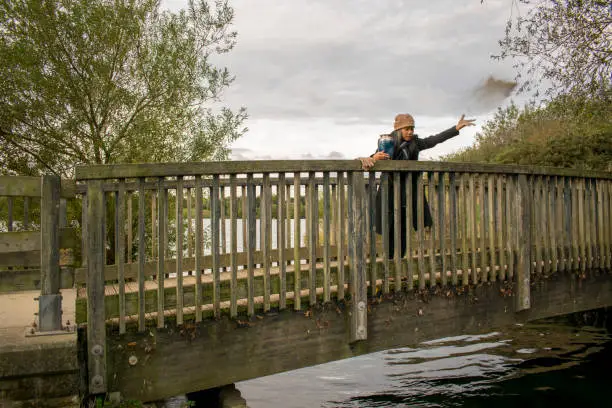
If you’re considering this memorial choice, Peter Tziotzis Orthodox Funeral Services may provide guidance on various options available for scattering ashes
This guide will explore different ash scattering methods, the considerations involved, and how to select the most suitable option for your family.
Understanding Ash Scattering
Ash scattering is the process of dispersing cremated remains in a location that holds significance for the deceased or their family. The practice is a growing trend, as it offers flexibility and personalisation while eliminating the need for traditional burial in a cemetery.
Ash scattering may be performed in various settings, ranging from scenic natural locations to private family grounds. The choice depends on several factors, including the deceased’s wishes, legal considerations, and family preferences.
Benefits of Ash Scattering
The appeal of scattering ashes lies in its simplicity and the freedom it provides. Some of the primary benefits include:
- Personal Connection: Scattering ashes in a meaningful location, such as a favourite park or beach, can help families feel connected to the deceased.
- Environmental Impact: Ash scattering is often seen as an environmentally friendly alternative to traditional burial, as it doesn’t involve a casket or burial plot.
- Less Formal: For families seeking a less traditional or formal memorial, scattering ashes provides a peaceful and respectful way to commemorate the deceased without the constraints of a traditional funeral service.
Types of Ash Scattering Options
There are numerous ways to scatter ashes, each offering a different experience and setting. The right choice often depends on personal preferences, location, and the desired significance. Below, we’ll explore some of the most popular ash scattering options.
Scattering Ashes at Sea
For those who loved the ocean, scattering ashes at sea is a timeless and serene option. Many families choose to scatter their loved one’s ashes on a boat or near a coastline where the deceased had a special connection.
Legal Considerations
Before scattering ashes at sea, it is important to ensure the location is legal for this purpose. Some areas require permits or may have restrictions.
In Australia, the Australian Maritime Safety Authority (AMSA) outlines guidelines for ash scattering at sea, ensuring the act complies with local regulations.
Memorial Services at Sea
There are specialised services that offer boat trips for ash scattering. These services provide families with a dignified ceremony, allowing them to scatter the ashes in a private and meaningful way.
Scattering Ashes in a Garden or Forest
Another common choice for scattering ashes is in a private garden or forest. This option allows families to incorporate a personal touch, such as planting a memorial tree or creating a small altar with flowers and mementos.
Creating a Memorial Space
In some parks or botanical gardens, there are designated areas for ash scattering. Families can request to scatter ashes in these designated spaces, with some locations even allowing them to plant a memorial tree in honour of the deceased.
This creates a lasting tribute that continues to grow, offering comfort and remembrance for future generations.
Airborne Ash Scattering
For those seeking something more adventurous, airborne ash scattering is an innovative method that involves scattering ashes from an aircraft. It may take place over a scenic landscape, or even over a special location the deceased loved.
A Unique Experience
This method is often used for people who had a passion for flying or the skies. Special services offer ceremonial flights where the ashes are scattered from the plane, providing an emotional and visual experience.
Scattering Ashes in a River or Lake
Many people choose to scatter ashes in a river or lake, as water is often seen as a symbol of life’s flow. This option is especially meaningful for families who want to honour a loved one’s connection to nature, water, or a particular body of water.
Environmental Considerations
When scattering ashes in a river or lake, it is important to consider the environmental impact.
Ashes are often harmless to the environment, but there may be guidelines on scattering in protected waterways or areas with significant ecological importance. It’s always best to research local regulations.
Combining Ash Scattering with Memorial Products
If you are looking for a lasting way to commemorate your loved one, combining ash scattering with memorial products can be a meaningful option. Several products are designed to hold a small portion of ashes, allowing families to keep a tangible connection to the deceased.
Memorial Jewellery
One popular choice is to incorporate ashes into a piece of jewellery, such as a necklace or bracelet. Memorial jewellery can be custom-made, allowing family members to keep a part of their loved one close by.
Some jewellery is designed specifically to hold ashes in a small compartment, creating a subtle yet personal keepsake.
Memorial Art and Sculptures
For those looking for a more artistic tribute, ashes can be incorporated into memorial art or sculptures. Artists and memorial companies can use cremation ashes to create custom glass art, sculptures, or paintings that encapsulate the memory of the deceased in a creative form.
Biodegradable Urns for Nature
For families wishing to combine eco-consciousness with tradition, biodegradable urns are an excellent choice. These urns can be buried in the earth or placed in water, where they gradually break down and return to nature.
Some biodegradable urns contain seeds, allowing families to plant a tree or flower as part of the scattering process.
Planning an Ash Scattering Ceremony
Planning an ash scattering ceremony is a deeply personal and often therapeutic process. The ceremony may be as simple or elaborate as desired, and many families choose to include rituals or symbols that are meaningful to them.
Involving Close Family and Friends
Ash scattering ceremonies typically involve close family members and friends. Some families prefer to keep the ceremony small and intimate, while others may invite a larger group.
Personalised touches, such as sharing memories, reading poems, or playing the deceased’s favourite music, can help make the ceremony more meaningful.
Selecting the Right Location
Choosing the right location is an essential part of the planning process. It’s important to pick a spot that was significant to the deceased, whether it’s a favourite beach, park, or even a private family garden. The location should also be accessible for all those attending the ceremony.
Making the Ceremony Personal
Many families incorporate traditions into the ceremony, whether it’s a religious reading, a specific prayer, or a symbolic gesture. In some cultures, ashes may be scattered in a specific direction or in a way that aligns with spiritual beliefs.
Working with a funeral service provider like Peter Tziotzis Orthodox Funeral Services can help guide you in personalising the ceremony, especially if you’re seeking religious customs or rituals for the scattering.
Legal Considerations When Scattering Ashes
Before scattering ashes, it’s important to be aware of any legal requirements or restrictions that may apply to the chosen location. Different areas may have regulations regarding ash scattering, especially if the site is considered sacred, protected, or public.
Seeking Permissions
If scattering ashes in public spaces, parks, or bodies of water, it is often necessary to request permission from local authorities. Some areas, such as national parks or protected environments, may have specific guidelines or restrictions in place.
Always check with the relevant authorities to ensure compliance with local laws.
Respecting Others’ Wishes
While scattering ashes is a personal decision, it is also essential to respect the wishes of the deceased’s family, community, and any others who may be affected by the ceremony. Open communication ensures that the ashes are scattered in a respectful and thoughtful manner.
Frequently Asked Questions
What is the best place to scatter ashes?
The best place to scatter ashes is often one that was meaningful to the deceased, such as a favourite park, beach, or garden. It’s important to consider any legal regulations for scattering in public places.
Can ashes be scattered anywhere?
While ashes can be scattered in many locations, it’s important to check local laws and regulations. Some areas, like national parks, may require permits or have restrictions on ash scattering.
How do I plan an ash scattering ceremony?
Planning an ash scattering ceremony involves selecting a meaningful location, involving close family and friends, and personalising the ceremony with readings, music, or rituals.
Conclusion
Ash scattering offers a meaningful and flexible memorial option for those who wish to celebrate the life of a loved one in a personal and environmentally conscious way.
Whether you choose to scatter ashes at sea, in a forest, or by a favourite lake, the process allows you to honour your loved one’s memory while creating a lasting connection to their spirit.
Careful planning and consideration of location, ceremony, and legal requirements ensure that this tribute is a respectful and memorable experience.